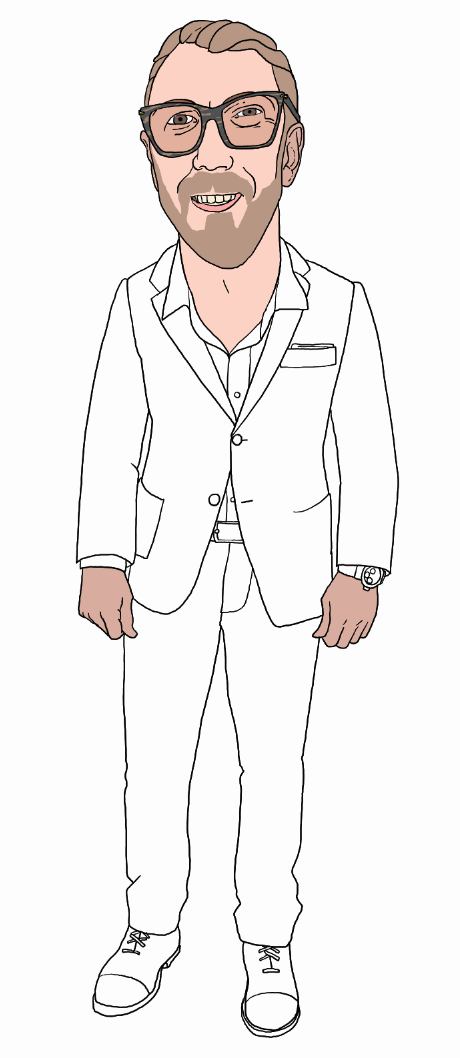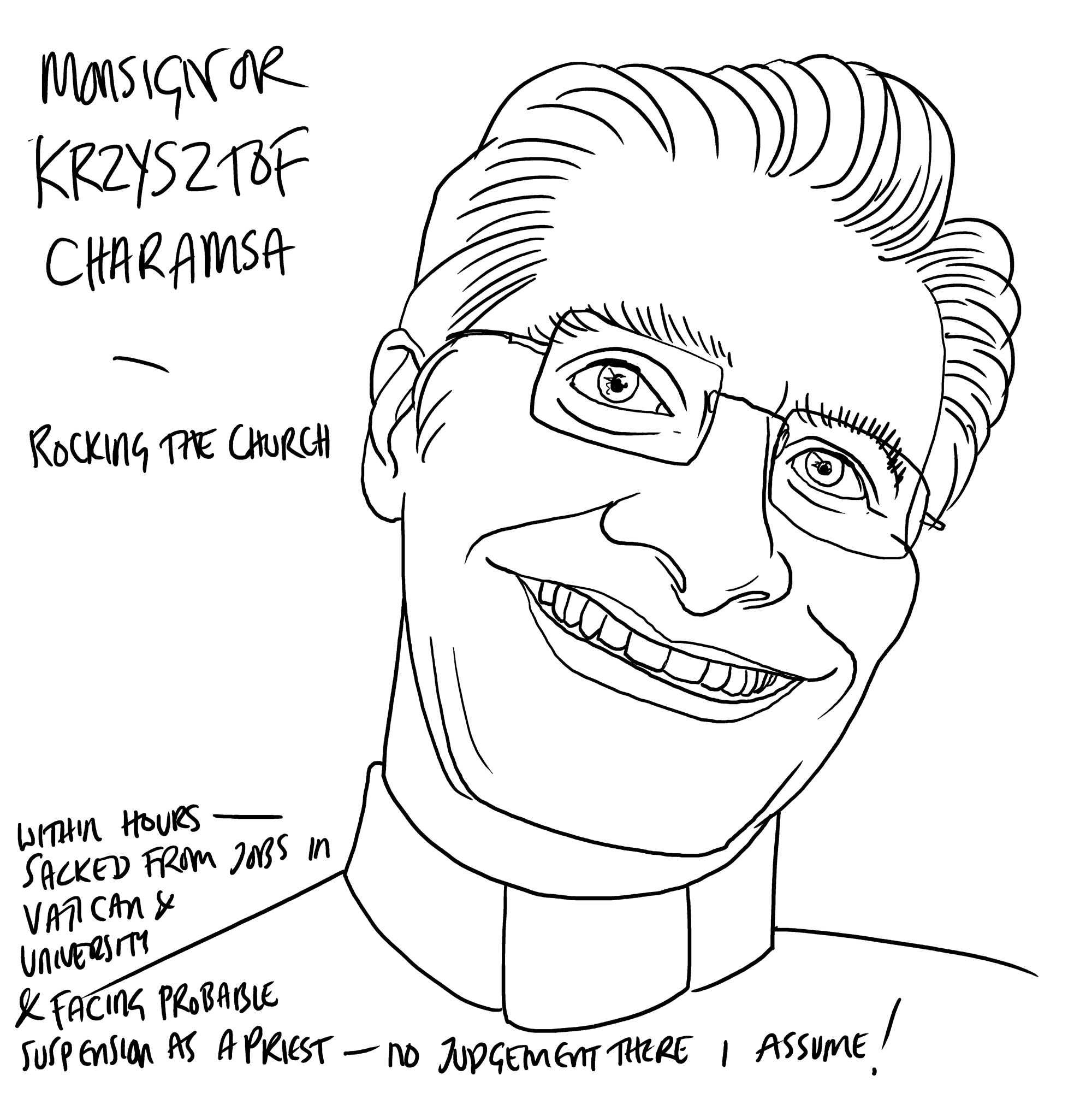
Monsignor Krzysztof

charamsa

This is a rather sad story. Monsignor Krzysztof Olaf Charamsa came out yesterday on the news as a gay priest and within hours the catholic church was confirming that he had been sacked both in the Vatican (working at the Congregation for the Doctrine of the Faith) and in his universities (the Gregorian and the Pontifical Athenaeum  Regina Apostolorum) for precisely this. His role as a priest is also now under review. This is very speedy from a Church that historically takes its time, and it seems to fly in the face of Francis’s own most famous comment in 2013 “Who are we to judge” when he was in fact talking precisely about the prevalence of gay priests in the Vatican. Well, judgement has been pretty swift and brutal. How about that for Papal irony.

This is what the Monsignor said yesterday:

“My decision of ‘coming out’ is a very personal decision in the homophobic world of the Catholic Church. It has been very difficult and very hard. I ask that you keep in mind this reality that is difficult to understand for anyone who has not lived through an identical passage in their own life,” Charamsa told reporters.

“The timing is not intended to pressurize anyone, but maybe a good pressure, in fact a Christian participation, a Christian voice that wants to bring to the synod the response of the homosexual believers to the questioning of Pope Francis.”

Pope_Francis

Just for the record, I rather like Pope Francis. Among other things, he is great friends with one of the more progressive Rabbis, Rabbi Skorka, and he projects a very positive image.

francis

When the Pope made his comments on the Plane, he was actually responding to a question about Monsignor Ricca who Francis had appointed to be Institute for the Works of Religion and who had a fairly squalid relationship with a man called Patrick Haari in Uraguay before being summoned back to Rome.

Ricca

Here is what the New York Times wrote back then:

ROME — For generations, homosexuality has largely been a taboo topic for the Vatican, ignored altogether or treated as “an intrinsic moral evil,” in the words of the previous pope.

In that context, brief remarks by Pope Francis suggesting that he would not judge priests for their sexual orientation, made aboard the papal airplane on the way back from his first foreign trip, to Brazil, resonated through the church. Never veering from church doctrine opposing homosexuality, Francis did strike a more compassionate tone than that of his predecessors, some of whom had largely avoided even saying the more colloquial “gay.”

“If someone is gay and he searches for the Lord and has good will, who am I to judge?” Francis told reporters, speaking in Italian but using the English word “gay.”

….

Francis did not dodge a single question, even thanking the person who prompted his comments on homosexuality, asking about Italian news reports of a “gay lobby” inside the Vatican, with clerics blackmailing one another with information about sexual missteps.

“So much is written about the gay lobby. I have yet to find on a Vatican identity card the word ‘gay,’ ” Francis said, chuckling. “They say there are some gay people here. I think that when we encounter a gay person, we must make the distinction between the fact of a person being gay and the fact of a lobby, because lobbies are not good.”An article in the Italian weekly L’Espresso this month alleged that one of the advisers that Francis had appointed to look into the Vatican Bank, Msgr. Battista Ricca, had been accused of having gay trysts when he was a Vatican diplomat in Uruguay. The pope told reporters that nothing in the documentation he had seen substantiated the reports.

He added that such a lobby would be an issue, but that he did not have anything against gay people and that their sins should be forgiven like those of all Catholics. Francis said that homosexuals should be treated with dignity, and that no one should be subjected to blackmail or pressure because of sexual orientation.

“The problem isn’t having this orientation. The problem is making a lobby,” he said.

and the BBC on the same issue:

Pope Benedict XVI signed a document in 2005 that said men with deep-rooted homosexual tendencies should not be priests.

But Pope Francis said gay clergymen should be forgiven and their sins forgotten.

“The Catechism of the Catholic Church explains this very well,” Pope Francis said in a wide-ranging 80-minute long interview with Vatican journalists.

“It says they should not be marginalised because of this but that they must be integrated into society.”

But he condemned what he described as lobbying by gay people.

“The problem is not having this orientation,” he said. “We must be brothers. The problem is lobbying by this orientation, or lobbies of greedy people, political lobbies, Masonic lobbies, so many lobbies. This is the worse problem.”
Par7410782

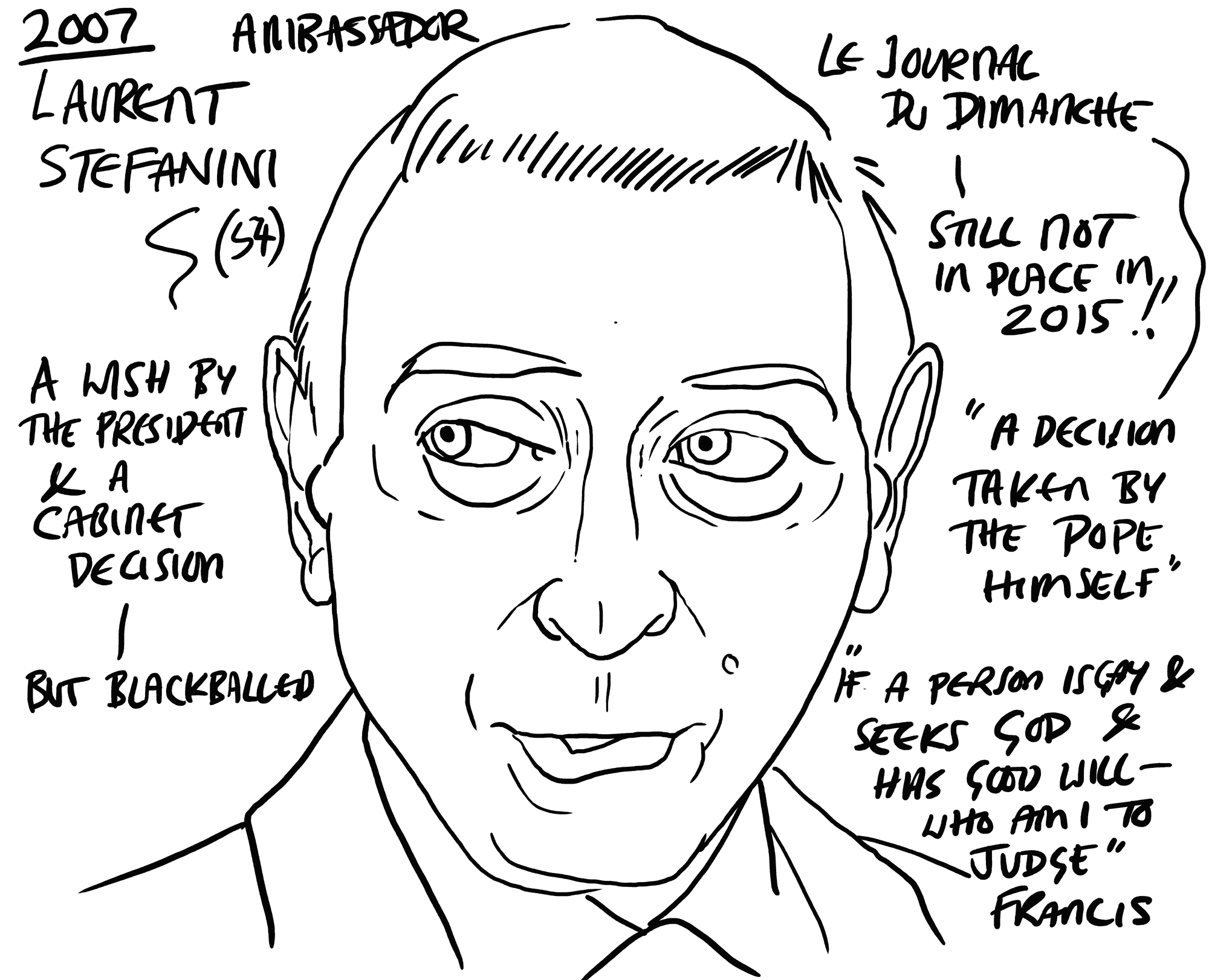
In the light of the refusal by the Vatican to recognise the appointment by France of Laurent Stefanini, it suggests that there is a wide chasm between what the Pope says and what he does, or what is done in his name. Vatican Spokesman Federico Lomardi said,

“The decision to make such a pointed statement on the eve of the opening of the Synod appears very serious and irresponsible, since it aims to subject the Synod assembly to undue media pressure. Monsignor Charamsa will certainly be unable to continue to carry out his previous work in the Congregation for the Doctrine of the faith and the Pontifical universities, while the other aspects of his situation shall remain the [responsibility] of his diocesean Ordinary.”

Captain Cod

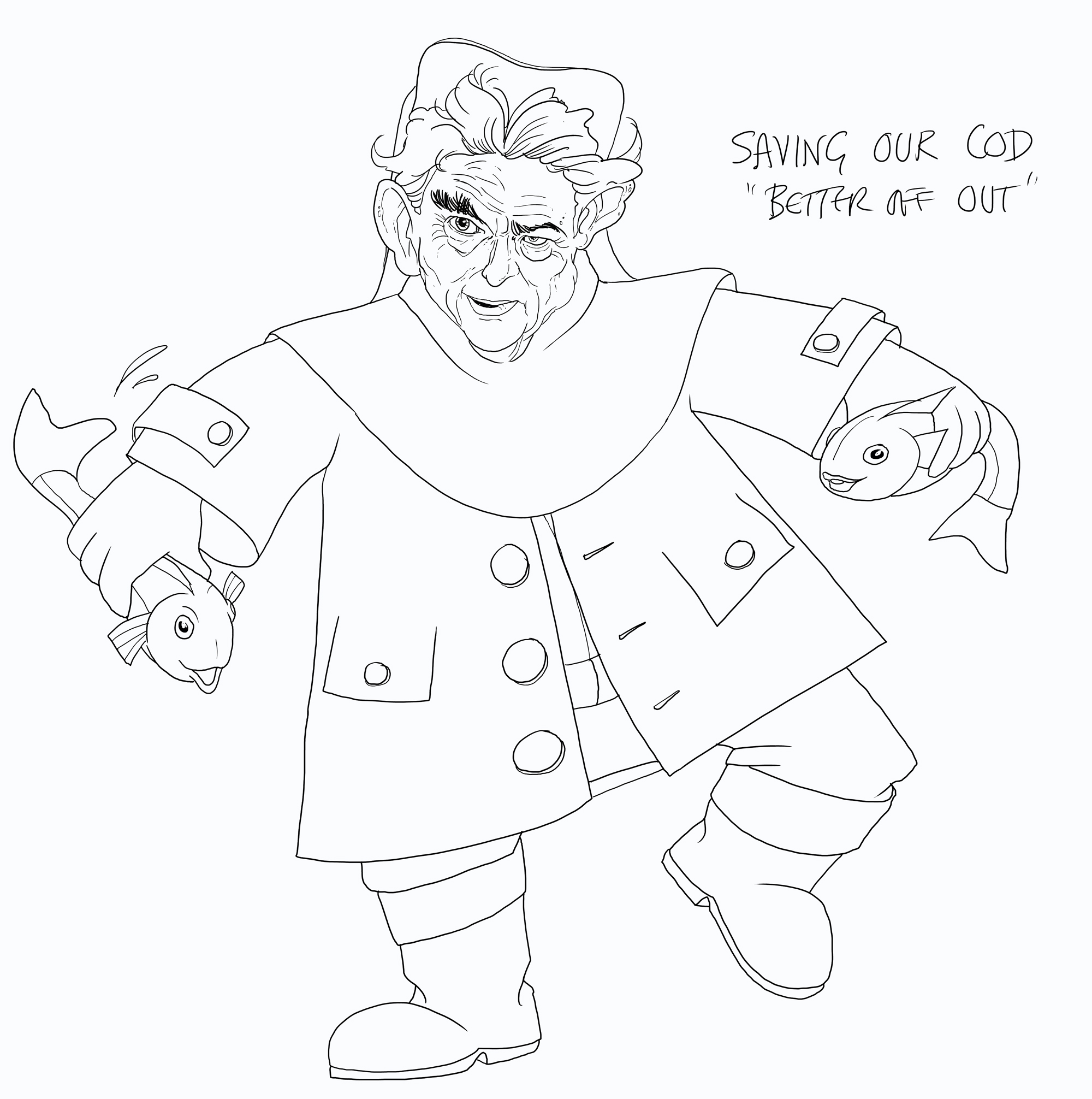
I got asked by the Conservatives to do some animation for the “better off out” campaign.

After the last election, I must admit to being cautious about my position on Europe, and I think it is very difficult to get this across to the public as I fear my own position is probably one shared by many people in the party. Specifically, I worry about excessive and crippling bureaucracy as well as the attacks on Greece by Germany and others that frankly undermine her sovereignty- it does not matter what Greece did to provoke such a response. The fact is that the European project should also guarantee our own individual national sovereignties, even as we move towards greater union, politically and economically. The Captain cod image seems to me to target one of these bureaucratic issues head on, and I have a third video planned where I hope I will be able to refer to Greece’s plight in some way.

While I can imagine a Brexit, I think the practicalities of following that path are worrying and the much better solution is an undertaking to reform the whole European project. This means, though, that we need to be prepared for any eventuality and we need a more robust argument. If the whole thing is catapulted into a discussion of migration, then we have missed the point. The migration issue will affect us whether we are in or out of Europe whatever those in UKIP claim. But more than that, the migration crisis of today will be gone in five years time, while the Europe question will still be important. We were side-tracked at the last election and the agenda was set largely by UKIP’s diet of racism and resentment. We have to control the argument and the discussion now.

Here is the link to the making of Captain Cod

frame for cod2 making of

here is the film, link:

some preparatory images

campaign 1482campaign 1484

the captain cod film:

a few more preparatory sketches

campaign 1485 campaign 1486

Britty Brexit:

a picture of Max Miller, one of my heroes, not so much for the naughtiness of his subject matter and innuendo, but for the immediacy of his delivery. We can still all learn from what he did and his influence is seen directly in the work of Frankie Howerd, Larry Grayson and Julian Clary.

campaign 1483

You will see all the music hall connections of course and meanwhile I am ploughing on with the project to animate “Burlington Bertie” and “the Night I appeared as Macbeth”, both songs by William Hargreaves from the heyday of the Music Hall. Check my music hall lecture here. Part 2 is on the way.

history bertie2 flat

Richard Williams: the Prologue

I was about to post something on my own animation and noticed that Richard Williams is promoting the beginning of his private animated epic that I assume remains inspired by the story of Lysistrata. The Premiere was a few days’ ago in the US at the Telluride festival and is due soon at a cinema in LA to qualify for Oscar nomination.

Here is the link:

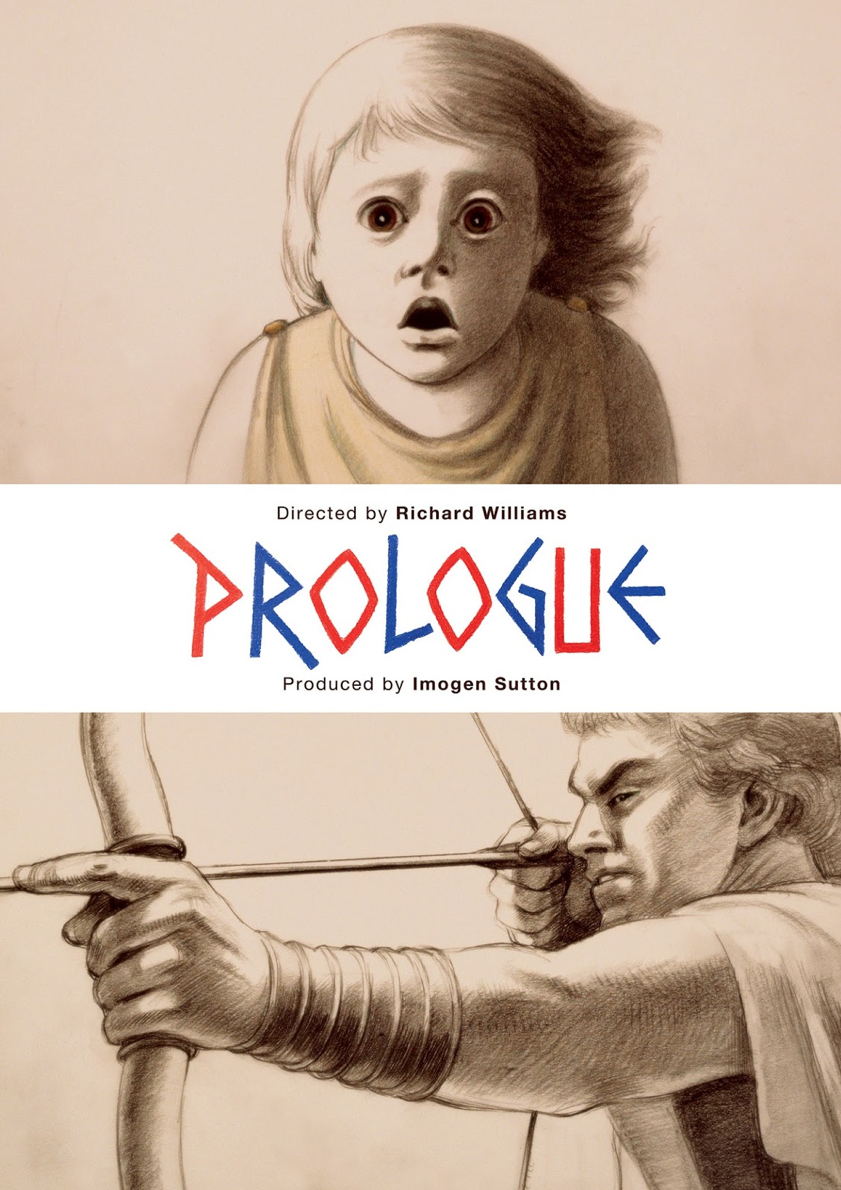
and a copy of the Poster:

Screen shot 2015-09-20 at 17.45.31

I understand that the Prologue shows an encounter between a Spartan and an Athenian and is seen through the eyes of a small girl. More than that, I do not know, but it is exciting. The publicity arouses discussion about the THIEF and inevitably there are comments, much overplayed in PERSISTENCE OF VISION about it never being finished, which is unfair. The reason it was never finished is that Warners lost confidence. Williams believes this is because they were screened a version of the film with one vital reel missing, so the story made little sense to them and after that, it only took a bit of nudging. Equally, we know that there were many hangers-on who wanted to take the film in different directions, and wanted a more conventional Disney-approach with songs (which of course they got when the film was recut as “Arabian Knight”.) Also, it is true that Williams was involved in a couple of projects (like RAGGEDY ANN) that ran into trouble, but my view is that he clung on while others would have abandoned ship long before. I think Williams has tenacity and he certainly has talent and technique.

Meanwhile, here are links to previous posts on Richard Williams from animate-tim:

Featured Image -- 406

Richard Williams rightly deserves all the adulation he gets from animators. Sadly, the general public is less aware of his significance, though most have seen and admired his work in “Roger Rabbit” and all of us have seen the effect he had on the industry. Anyway, I am always amazed by Williams’ generosity. It was clear when he was presenting his cut of “the Thief” a few months’ back.

When I was a schoolboy, and later when I was at university, he gave up his time, had me visit the studio and talked for hours to me about the process of animation. On that second visit, he took me to a restaurant where I remember eating a plate of smoked salmon and otherwise hanging on his every word, none of which I have forgotten. “I think in colour” was the most amazing statement. I envy that. I think in lines, not colour at all, and I think I struggle with colour. I wrote an article based on what he said which was printed in an oxford magazine.

wilson article 1 wilson article 2

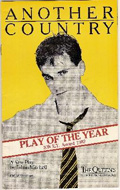
Afterwards, I had time to kill before getting a bus back to Oxford and I went to see a show called “Another Country”. Within a year, I was doing front covers for Amber Lane Press which printed the text of the play. (Here are some of them together with the programmes for Another Country)

jj farr when she danced

colin firth 2 Daniel_Day_Lewis 2 rupert 2

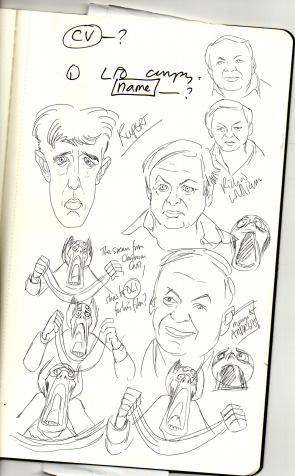
I vividly remember Rupert Everett and Kenneth Branagh, and later went back to see their understudies, Daniel Day Lewis and Colin Firth. Day Lewis was the godson of a lady who lived in my house and sat in my room with the poodle chatting about the past. I lived in a converted conservatory: there was a swimming pool at the bottom of the garden.

It had only been a year or so since Mrs Thatcher had announced the identity of Anthony Blunt in the Commons as one of the Cambridge Spy ring. What had not been emphasised I suppose was the fact that most of the spys were gay and had been to the better Public schools. “Another Country” picked up these themes, of treason, homosexuality and espionage in the mid 1930s. The play began in Greenwich and transferred after stunning reviews there to a 19-month run at the Queens in the West End, almost unheard of for a straight play both then and now. Years later, I directed my own production of “Another Country” and Sam Buntrock, now an established theatre director in his own right, played Judd.

7

All the screams on the page above are copies of Richard Williams’ sensational “Christmas Carol” which I was watching while I was without a computer for the last few days: I have to draw a screaming face for a new student film, “Wasteword” directed by Andrea Niada. As ever, Williams has already done it, and done it better than I could ever imagine doing. I have been sent lots of Roger Bacon paintings as reference.

Ah, here is a link to a youtube upload of Errol le Cain’s film “the sailor and the devil” Simply tremendous to see it after all these years. I was amazed to find Errol le Cain was working for Williams: two of my heroes in the same place. More on Errol le Cain later I think….

Nasruddin was the figure in the Richard Williams film  that I discovered in the early 70s. The film changed completely when it became the “Thief and the Cobbler” and the Nasruddin character disappeared. There are various stories about why this happened. Last Sunday Williams simply said that the original story and the original character did not work. Nasruddin, however, is still visible in a crowd scene riding on his donkey (which he ridesbackwards)… here are some drawings of statues in Turkey- one faintly comic and the other more respectful. He was a real character but he used humour and his stories are laced with unexpected incident and comment. however, Nasruddin turns up in Turkish legend as Nasreddin Hoja and then again in Albanian as Nastrudin Hoxha. I don’t know whether it is more appropriate to see Nasrudin as Turkish or Iranian: the oldest manuscript from 1571 suggests he was Turkish or active in Turkey. When we made the first version of “A torture Cartoon”, it made sense to add a version of Nasruddin because Necati is Turkish

and then later when we did “how to be Boss” we did a new design and told one of the many Nasruddin stories. You can find the sequence at about 2.39: “Have you told your wife who is boss in your own house? Don’t worry. She knows!”

There is a Pappas illustrated edition of stories which I would love to see. Otherwise, the best editions are those illustrated by Williams himself and the spectacular Errol le Cain

mulla-nasrudin-richard-williams-01

  • The Subtleties of the Inimitable Mulla Nasreddin, by Idries Shah, illustrated by Richard Williams.

cel1050

  • The Pleasantries of the Incredible Mulla Nasreddin, by Idries Shah, illustrated by Richard Williams and Errol Le Cain

Here is a link to the “what is bread?” section in what is left of the Williams film with Kenneth Williams’ voice:

It is simply delightful to listen to Kenneth Williams, and Richard Williams version of Nasruddin is so elegant. The Williams character should be spelt “Nasrudin” of course. Apologies.

Richard Williams

brigand poses

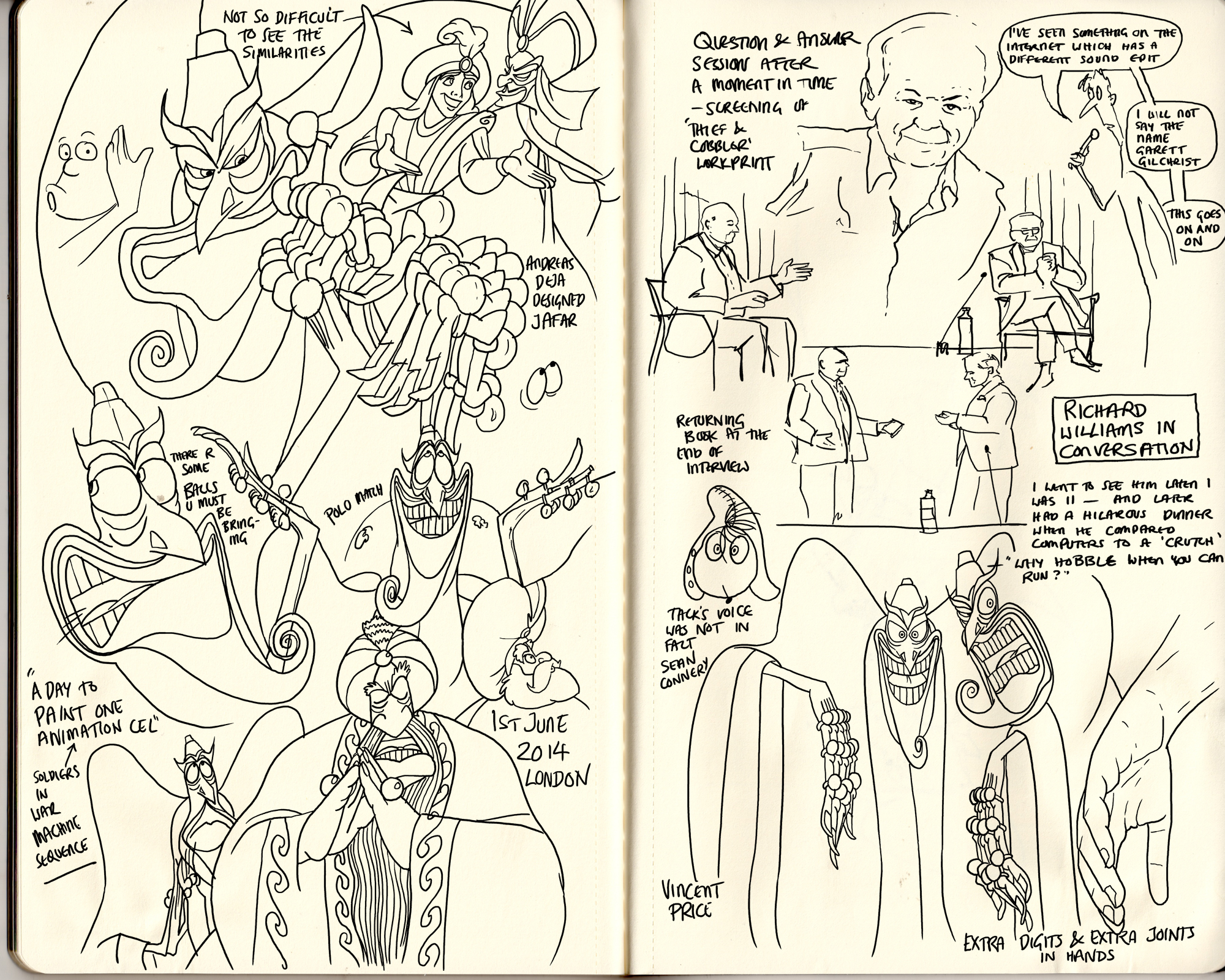
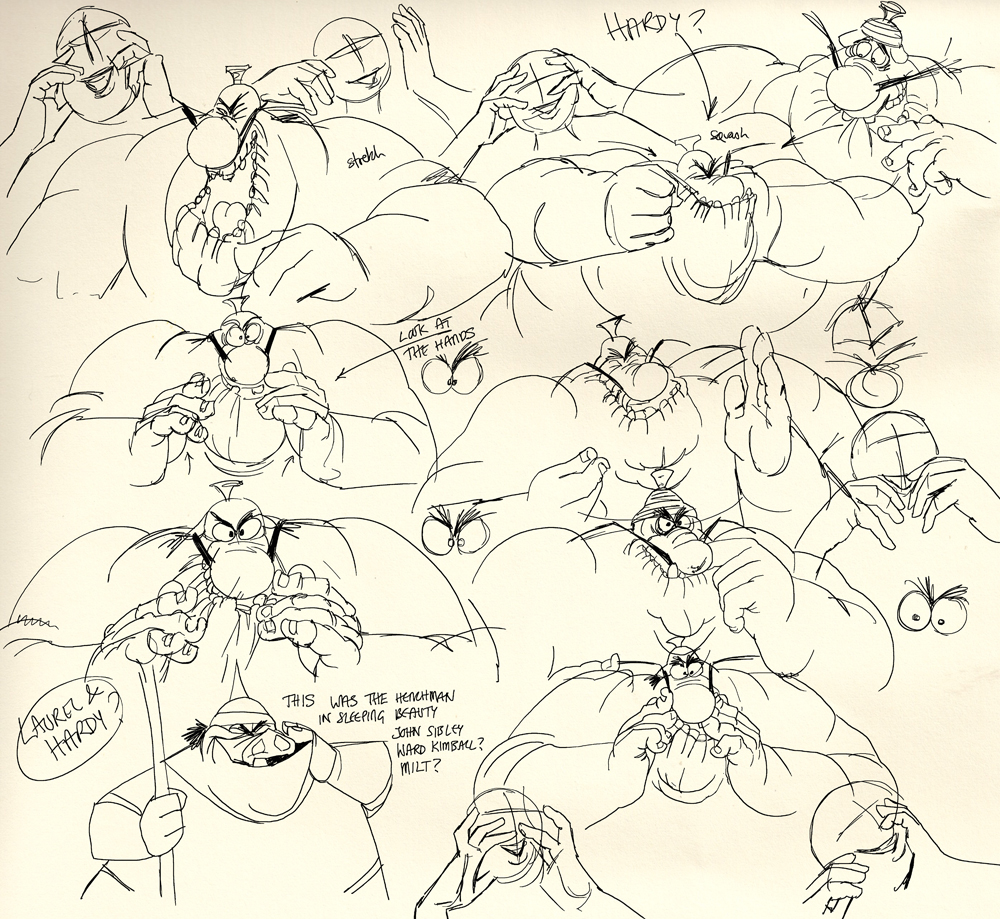
I had seen Williams on a childrens’ tv programme called “Clapperboard” and he was shown drawing one of the brigands laughing. I loved the way that the character moved as he laughed. It was subtle and in close-up, but there was clear movement and character. The laugh was something he had recorded himself and I believe, now, that the animation was loosely based on one of the imps in Sleeping beauty. But there is no disguising the mastery. The hand movement on this sequence as the brigand laughs is exquisite and I have looked at it in some detail- Williams draws hands like no one else. This character is now one of many brigands in the second half of the “Thief”.

The sequence is marked by a change from pen and ink outlines to wax pencil outlines that were used also on “Christmas Carol”. At the studio, I was given one of these pencils and some cel and told to draw something which I did, but I was very nervous and I found it difficult. The waxy pencil is easily smudged and is only  truly bonded with the cel when it is exposed to hot light under the camera. I should imagine though that the cameraman was forever cleaning the glass panel that holds the animation in place. I think I may have tried using some paint. I am not sure, but I got to use paint later on working for “Wicked Witch” in the late 1980s as they wound up work on “Roger Rabbit” and took on project after project that aped the animation/live action combo style, or simply tried to look computer-generated ( some of the Waterboard adverts that accompanied one of the waves of Thatcher privatisation, for instance which were all actually drawn in coloured pencils on cels that had been sprayed with a formula that made them sufficiently textured to accept the crayons. The same method was used in the Snowman, Father Christmas and the Beatrix Potter films at TVC)

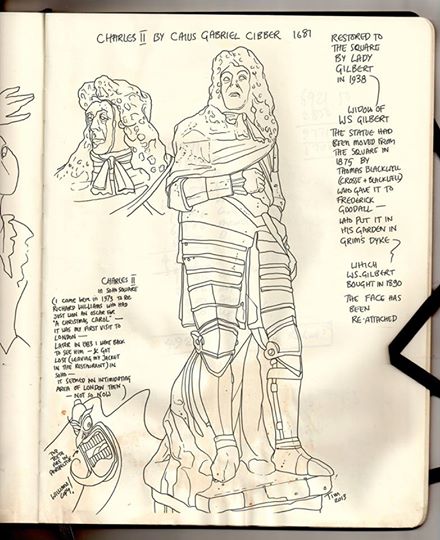
charles II in Soho square

My trip to 13 Soho Square was a day that must have changed my life or at least given it proper direction: in the evening, so excited was I that I vomited with gusto on the train and over my mother’s handbag. I knew then, maybe from some kind of Rorschach test, that I had a vocation to draw animated films. I remember meeting the great man on the stairway in front of what must have been one of his own oil paintings. I draw no parallel at all between my vomit and his painting though I have no real memory of the visual content of either. His picture all looked very dark and grand to me. Animators upstairs flipped scenes that I think I knew even then were from the projected film of “Nasruddin”- I am pretty sure that I saw the thief bouncing from one canopy to another. that was also in the finished print we saw on Sunday. I had seen pirate versions of this on youtube and the australian DVD where it seemed a bit repetitive. In the NFI theatre, with a crowded audience, it looked wonderful. This is broad slapstick and it always needs an audience to get the most out of it!

Later, I went back to the studio a few times and had a delightful dinner with Richard Williams in which he compared computer people to madmen trying to sell crutches to people who have no difficulty walking. “But my crutch is gold plated” he said they would say. “Why walk when you can hobble with a crutch?” This was the infancy of Computer animation and within less than 10 years I myself would be involved for a brief period in the production of computer games animation. But he is right: there can be no short-cuts and nothing replaces the raw knowledge of being able to draw exactly what you can imagine in your head.

I was particularly keen for Necati to see “the Thief” in the best possible way. I have some publicity material the studio gave me by which time the name had changed from “The thief who never gave up” to “Once”.

During the talk after the screening, when a few odd people, one of whom I am afraid I have drawn above, hogged the microphone and went on and on (and on!) about pirate versions of the thief that they had seen on the internet (no one mentioned Gilchrist by name- why not? though Dick Williams urged him to get on with his own work instead of obsessing about “the thief”), Williams talked a bit about his current project,apparently based on “Lysistrata” and called “If I live”. When we met for Dinner in ’82 or ’83, he had been talking about an adaptation of the Epic of “Gilgamesh”- a story about  a babylonian Noah figure, and there is a creation account in “Gilgamesh” which lies behind the first creation story in the bible. It is more vivid and much more fun, certainly worthy of animation as indeed is Aristophanes’ “Lysistrata”. I will dig out my own animated versions of Aubrey Beardsley and maybe the (unpublished and scurrilous) comics based on Greek texts and post them on this new blog in time but I suspect Williams is doing his own thing with the Greek comedy and has moved some distance away from Beardsley. I moved from Beardsley too: it simply took up so much time! I would love to know what happened to Gilgamesh and what Williams’ “Gilgamesh” would have looked like and also I would like to know what role the laughing camel must have had in “Nasruddin”. There was alot of publicity about the camel but he makes a very brief appearance in “The thief”. Had the hogs stopped talking evasively about Gilchrist, then maybe I could have asked about Gilgamesh or the Camel. Now, we may never know!! I will write more on this subject another time. In the meantime, here are some sketches made on Sunday afternoon during and after the screening.

Digital Orchestration The use of Sample Libraries / Virtual Orchestration in Music Production

Turn on the television anytime and the chances are you are going hear music that is produced using digital orchestration and sample libraries. So, the orchestra you are hearing is not, in the conventional sense, an orchestra at all – it just sounds like one. If the music production is done well, it should be almost impossible to distinguish between what you are hearing and what a “real” orchestra would sound like. That is the art / science of digital orchestration. The music for CSI, The Mentalist, Dexter and many more, is all produced “inside the box”. It is now almost impossible to find an advert where the music is not produced in this way. Tight production schedules and limited budgets usually don’t allow for recordings of real orchestras, so the sample based recording isn’t just a demo or a mock-up, it is the final cue.

Click on the link below. Here, there are two examples of an orchestral piece by Vaughan Williams and two examples of a Beethoven string quartet. One of each piece is produced using digital orchestration – which is which?

http://www.kanon.co.uk/XY.htm

More and more, and for the same reasons, this also applies to films. Low and mid-range budget films will never be able to finance studio recording sessions with a large orchestra, music director, producer, recording and mixing engineers etc. Even in some blockbuster films where large Hollywood style orchestras are used, the soundtrack will often be enhanced with extra sampled percussion and brass etc.

What is sampling and how does it work?

Not Robots and Nothing to do with Synthesizers!

When you hear sampled music, you are hearing real musicians playing real instruments, – a solo violinist may well be playing a Stradivarius! – but, every single note and articulation has been sampled – recorded – separately and often many times over. Every note an instrument can play and in every way – ppp, pp, p, mp, mf, f, ff, fff, sfz, staccato, detache, legato, flautando, harmonic, con sordini, pizz, and so on, is sampled in meticulous detail. Often, but not always, these samples will be recorded “dry”. That is, with absolutely no ambient sound, echo, reverb. If you listen to dry samples, they are very uninspiring – if you have ever been in an anechoic chamber you will get the idea. Reverb to taste is added later. More about reverb anon. The world leading Vienna Symphonic Library (VSL) have built their “Silent Stage” so that all their sampled recordings are completely dry.

A full orchestral sample library will go through this process for every instrument. In addition, where sections of players are required e.g. First Violins, Second Violins etc. there may well be 14 or more players playing together. Full professional sample libraries are massive containing millions of samples.

The Legato Revolution

An important milestone in orchestral sampling occurred in 2002 with the development by Vienna Symphonic Library of the “interval legato concept”. Anyone who has learned to play an instrument to a reasonable standard will be aware that it is not enough just to play the correct notes in the correct order in the correct time. Good phrasing, and especially legato phrasing, will utterly transform a piece. Hitherto all sample libraries faced the same problem – how to join notes together so the phrase or passage sounded completely authentic. In 2002 VSL developed complex algorithms which overcame this problem, the results were astounding and this process has been taken up by all sample developers ever since.

Click on the link below to listen to a 1st Violin section from VSL.

http://www.kanon.co.uk/XY.htm

No More Machine Guns!

Around the same time VSL also developed the method of using different samples for repeated notes. Most music contains many parts where the same note is repeated many times. If the same sample is repeated many times the result is not at all convincing and is known as the “machine gun effect”. The developers created a system where each repeated note triggered a different sample of the same note giving a much more realistic sound – this is now universally referred to as “round robins” and all serious sound libraries use this system.

Software

What do you do with 10 million samples?

Fortunately the companies producing such vast libraries also produce highly sophisticated software to control and manipulate the samples. The screenshots below show part of the user interfaces for VSL’s Vienna Instruments and East West Quantum Leap’s PLAY software. It is here that the user controls and manipulates the samples. There are many other companies with similar products but these are the two with which I am most familiar and use on a daily basis.

Usually there is a matrix where the user loads the samples required. In some pieces only a few articulations will be required e.g. sustain and legato, for other more complex pieces a wide range of individual articulations will be needed. This can be very demanding on computing power and often slave computers with powerful processors. a lot of RAM and several solid state hard drives, will be needed to take the strain.

Screenshot 3 Screenshot 4

A set-up like this can be used as stand-alone connected to a keyboard where the player can play, for example, an incredibly realistic string or brass section. This is commonly used in “live” situations. This of course has been and continues to be controversial as many musicians see it as a threat to their jobs and there is no doubt that this does and will continue to happen. On Broadway in 2003 there was a Musicians Strike which began as a strike over pit minimums and rapidly escalated. In London’s West End Cameron Mackintosh moved Les Miserables from the Palace Theatre to the Queen’s Theatre leading to a reduced orchestral size – a smaller pit – and increased use of samples triggered from keyboards. So, from the audience’s perspective there was no reduction in sound produced by the orchestra.

In music production for TV, Films and CD type work these interfaces will normally connect to a DAW (Digital Audio Workstation) such as Cubase, Protools, Studio One etc. Here the user controls the whole audio project with as many instrument tracks as required – it could be over a hundred.

Below are examples of editing widows from Cubase.

Screenshot 2 Screenshot 1

The coloured track lanes are individual instruments which are processed as required and eventually mixed down to stereo, or surround sound. It is in these widows that all the minutiae of editing takes place. The process here is similar to standard multi-track recording which of course is the staple of many recording studios. In some cases this is still done using multi-track tape recorders – analogue – but more and more, using computers – digital. Each method has its own champions and many a heated discussion takes place over their relative merits.

How Pleasant To Know Mr Lear

Screenshot 3 is from “Following Lear” Zontul Films Ltd currently in production. The music was composed and produced by David Watson (Kanon Digital Orchestration) using the digital orchestration techniques described above. A mixed stereo file was sent through the ether to Shonk Studios Oxford where soprano Thomasin Trezise recorded the vocals which were then sent back to Kanon for mixing and mastering. This track is not finalised but you can listen to the work-in-progress by clicking on the link below. You can also see Tim Wilson preparing some of the storyboards and animations for the piece.

A Note on Reverb

I mentioned above that many sample libraries are recorded completely dry i.e. with no ambient sound on the recording. This has the benefit of giving the producer much greater control of the final audio track. Reverb techniques have come on a long way since the days of the old “spring” reverb. This was literally a spring inside a plastic pipe which could be inserted into the audio path. It gave pretty impressive results for its time but if you want to see one now you will have to go to a museum!

There is a vast array of very high quality hardware and software reverb systems available. Where pure acoustic realism is sought, rather than a reverb or echo “effect”, the most commonly used system is that of Convolution Reverb or Impulse Response. Without going into the physics of the process, convolution reverb involves audio engineers going to a particular venue – a concert hall, scoring studio, a church or even a famous cathedral and actually recording the directional sound impulses of that space. Using these programs and impulses you can then place your “dry” instrumentalists or singers “virtually” in that space. The realism of the results can be quite amazing.

VSL’s Multi Impulse Response convolution (MIR)

VSL’s MIR, which I use a lot, goes even further taking up to 5000 impulse responses per room. They will also consider the placement of any instrument on a stage and the directional and sonic characteristics of the instrument. Microphone placement is very important and it is possible to listen as the conductor, someone sitting near the front of the auditorium or at the back or in the balcony and so on.

Mozart wet and dry.

Click on the link below to listen to excerpts from the Overture to The Marriage of Figaro.

http://www.kanon.co.uk/XY.htm

This first one I have kept mercifully short. It sounds raucous, out of balance and truly awful. Yet, apart from the addition of the MIR impulses and instrument placement, it is identical to the second example which I hope is more pleasing to the ear. This second example is placed in the Mozartsaal in Vienna.

Where to now?

The speed of technological advance is unlikely to slow down. Computers are getting more powerful, processors ever faster, solid state hard drives will become the norm – this can reduce the need for huge amounts of RAM. The professional sample library market is very competitive with new top-end products advertised in specialist magazines every month. The digital / virtual orchestration area of the music business is almost unrecognisable from that of just a decade ago.

Where does that leave our living breathing musicians? The business will continue to change and musicians will have to adapt, there is no doubt about that. However, music conservatories across the world continue to produce incredibly talented musicians. Perhaps the British – but not the Scottish – Government has come up with a solution – stop producing musicians! The introduction of the Ebac. The Ebac will essentially be compulsory for all maintained schools. The Ebac does not include music and the arts! Any school which does not conform cannot be graded as outstanding. I feel sorry for the head teachers – especially those with a creative arts background – who will have to make very difficult decisions. I suppose we get the governments we deserve. After all we elect them. Or at least at the last election the 66% of us who voted did.

Perhaps there is something to be said for a benign dictatorship – especially if musicians are in charge!

David Watson

August 2015

Kanon Digital Orchestration

Auchermuchty Scotland

www.kanon.co.uk

Illustrated history of the Music hall

Here is a link to the first part of my talk on the history of the Music hall.

history bertie2 flat

\

and here is a link to Julie Andrews singing the National Anthem for the King at the Palladium:

Here incidentally is a recording of Dame Julie at 12 singing, at the height of her “Educating Archie” days – simply spectacular

and here are some of the illustrations from the film:

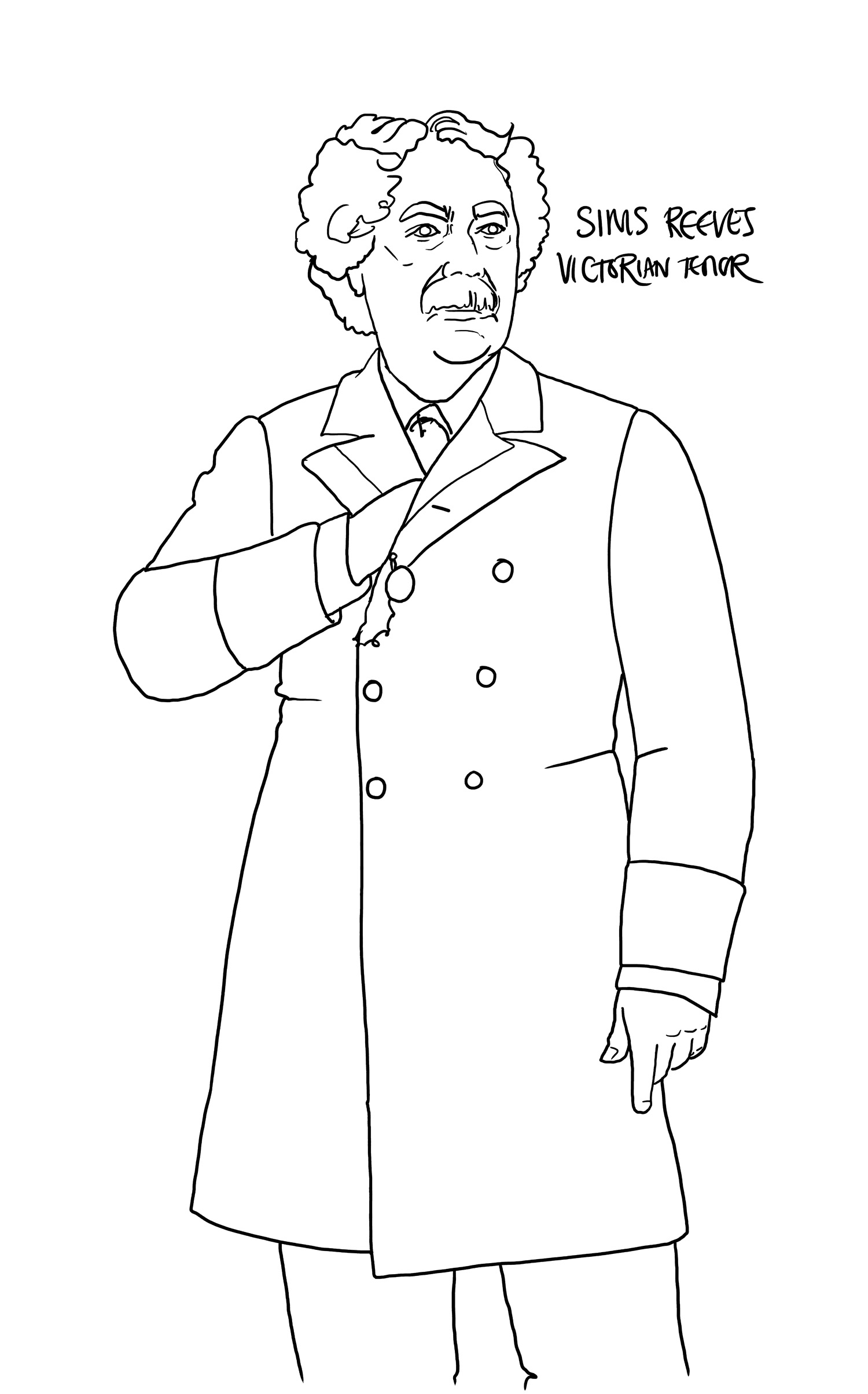
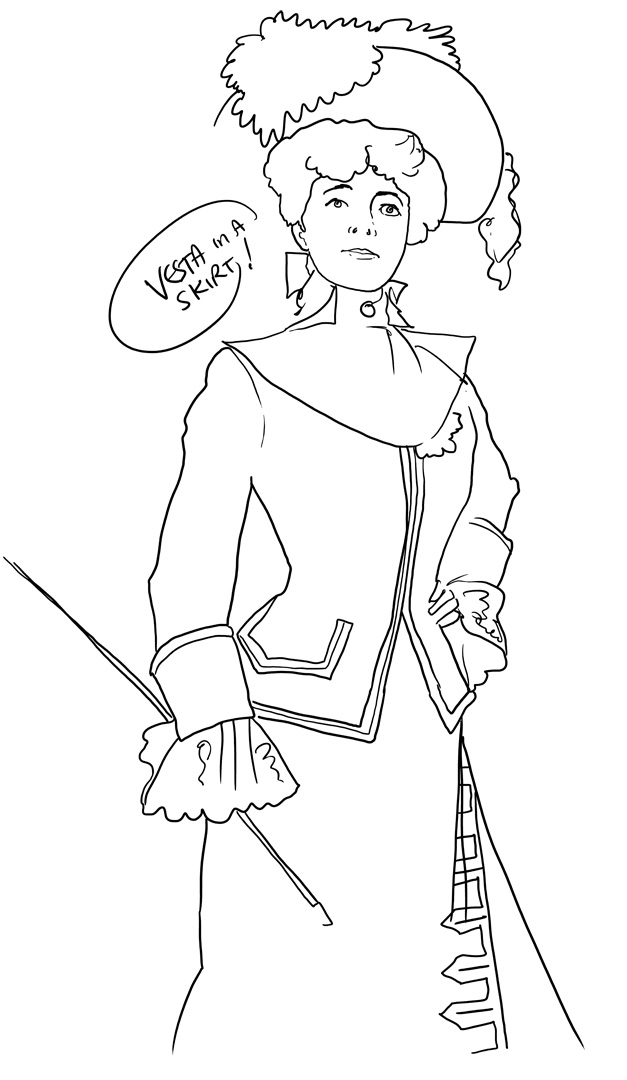
dan_leno chicago vesta in dress arthur_lloyd Vesta_Tilleyagain1 Sims_Reeves vesta Bessie Bonehill KingHetty

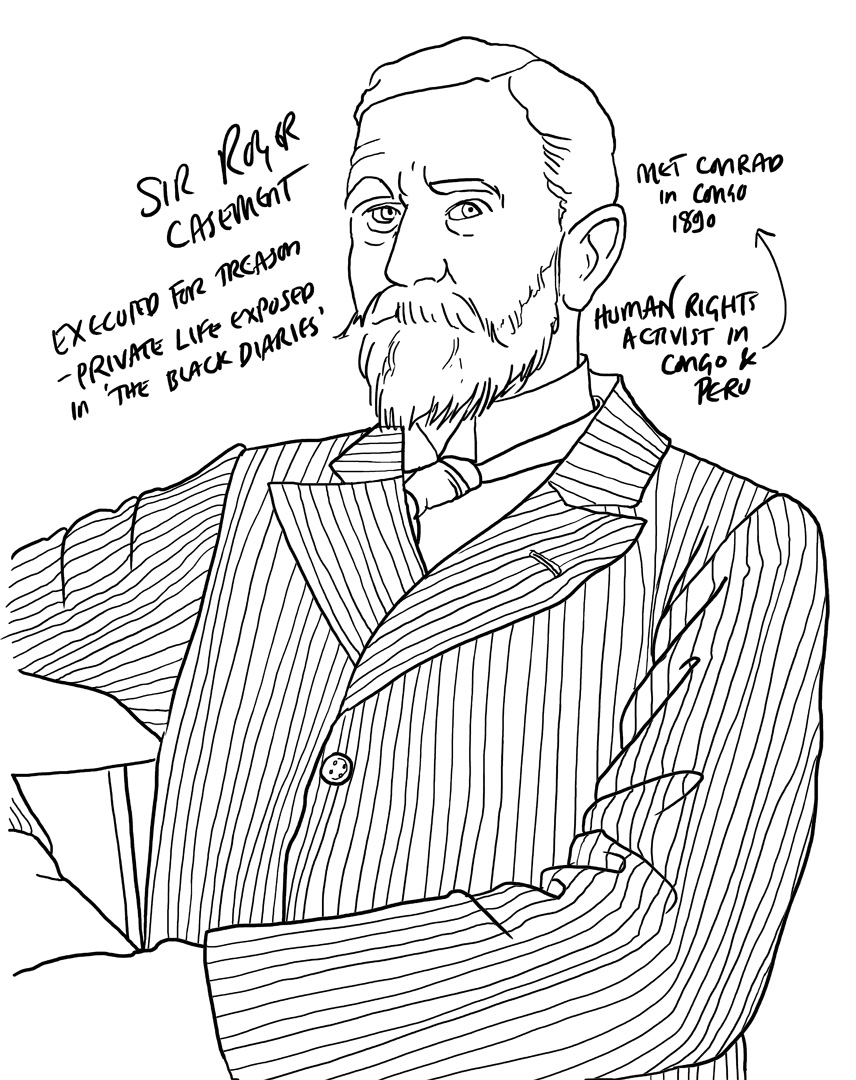
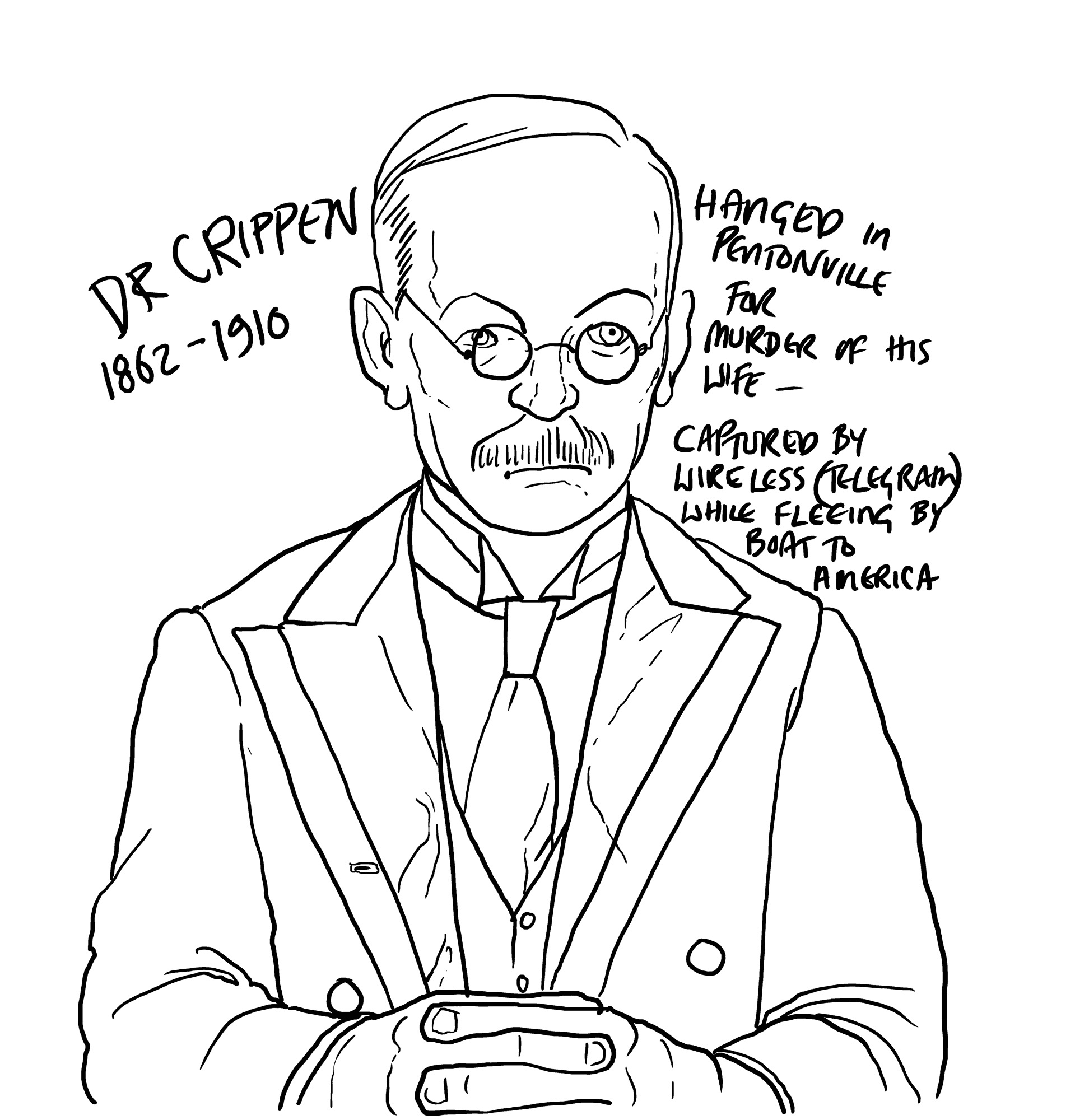
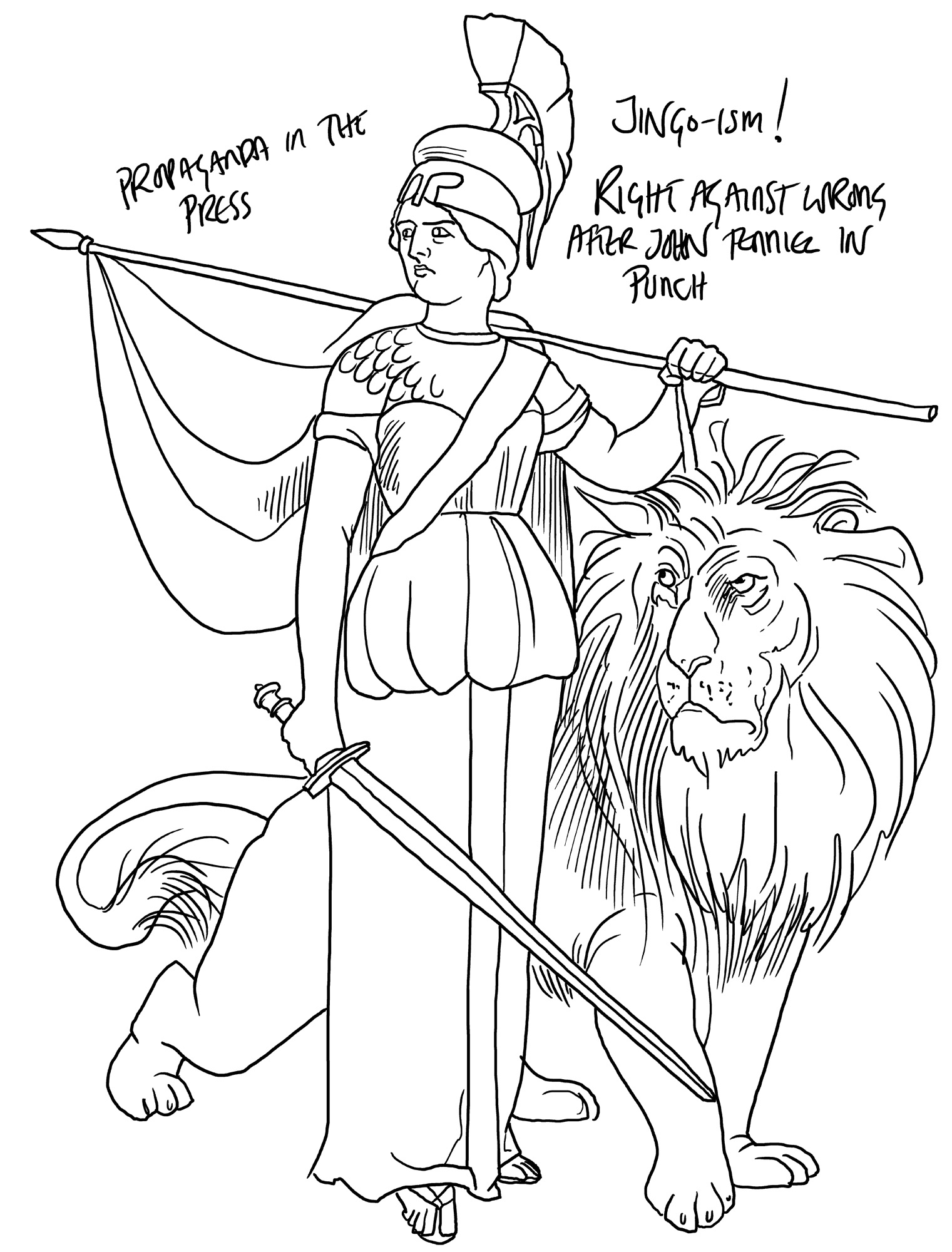
fe smithDiana_Cooper01thanks for the memorypaul-chinquevallimarie linnet3vesta in dressarthur_lloydVesta_Tilleyagain1punch copy 4julie andrewsSir_Edmund_Backhousecasementfe smith solicitorgeneraethel-le-neveFrederickEdwinSmithHhcrippenpunch copy 3punch copy 2punch copymarie lloyd more3lady de freceleslieLittle_Tich fanny-andstella Fanny_and_Stella_again

Here’s a scene from the Drury Lane production of “Oliver!” which sums up everything about the Music Hall, I suppose.