
Just keeping my hand in with older projects…
Some images 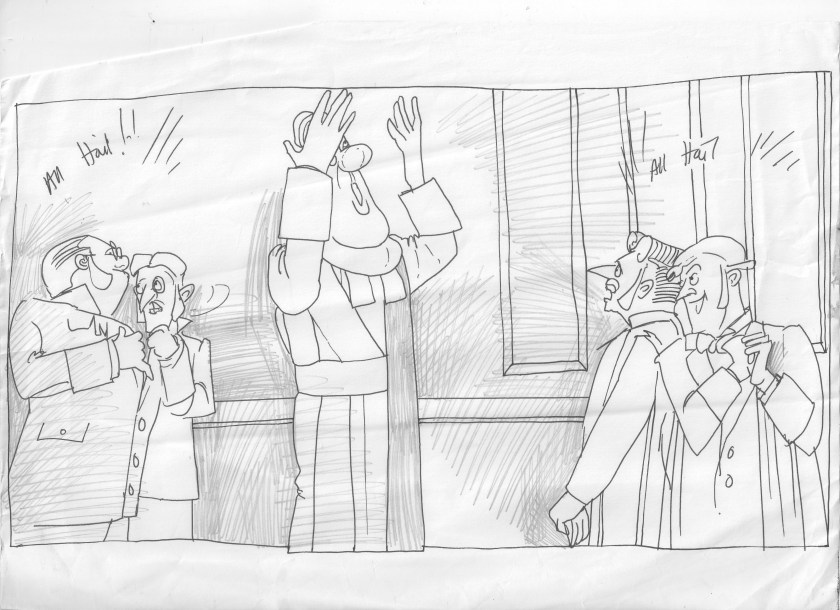
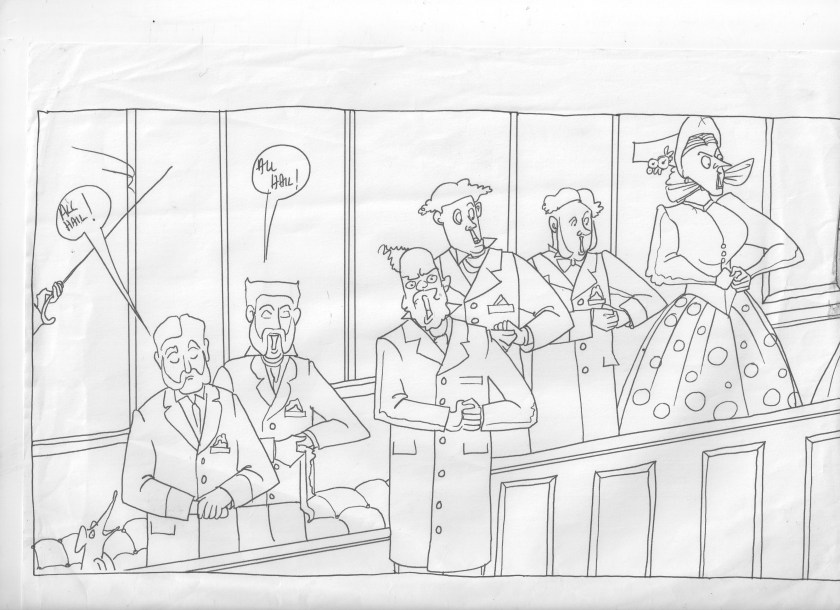
The arrival of the Judge

Edward Lear Background design- the woman of Smyrna:
Just keeping my hand in with older projects…
Some images
The arrival of the Judge
Edward Lear Background design- the woman of Smyrna:

Here are a few screenshots of a sketch of the Bridesmaids’ chorus from TRIAL BY JURY.


Here is a first colour version:

This is the preferred version:

see: https://animate-tim.com/2017/05/16/a-few-thoughts-about-trial-by-jury/

the storyboards continue. Here are some pictures from the Judge’s song: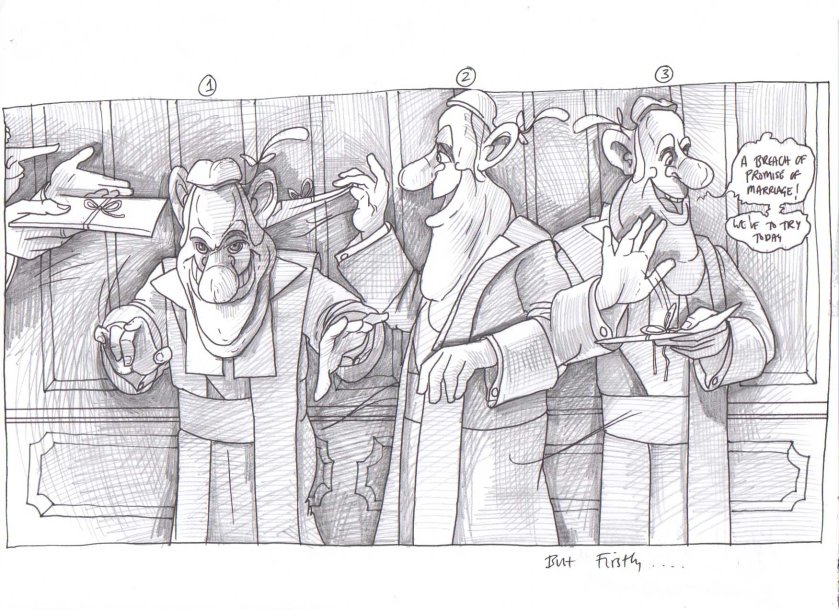
if the time you’ll not begrudge
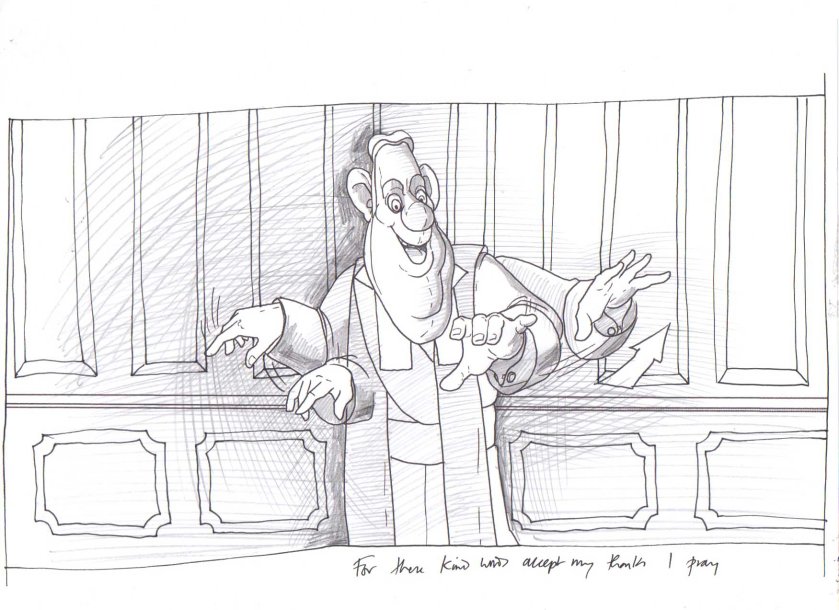
For these kind words accept my thanks I pray, a breach of promise we’ve to try today

called to the bar
Here are some more storyboard illustrations from TRIAL BY JURY


I’ll tell you how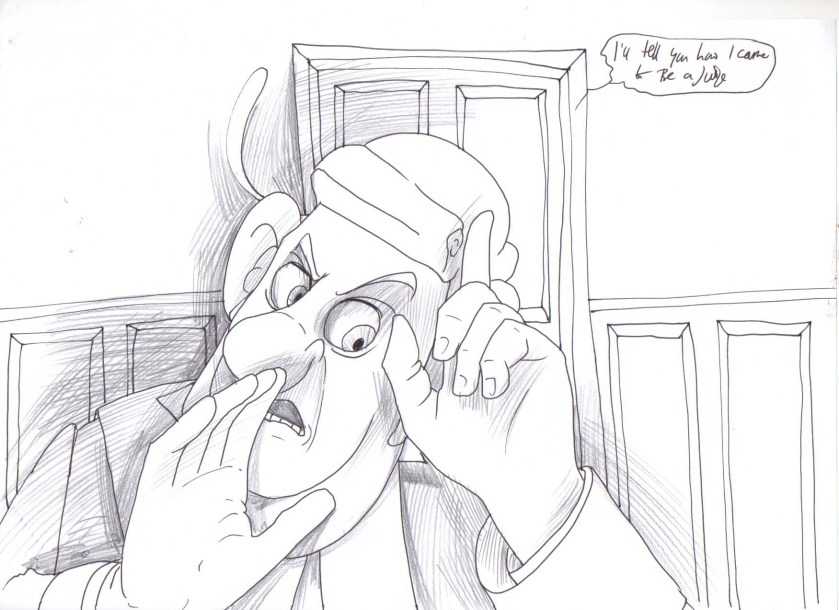


Above: for today in this arena
Below: the judge’s entrance: behold your judge
to your bright rays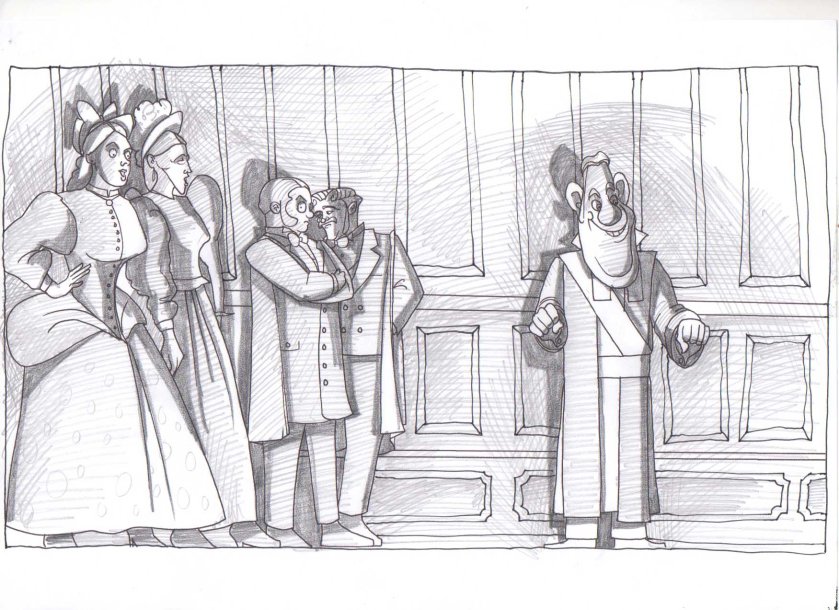
we never grudge ecstatic praise
may each decree and statute rank
and never be reversed en blanc

Hark the hour
breathing hope and fear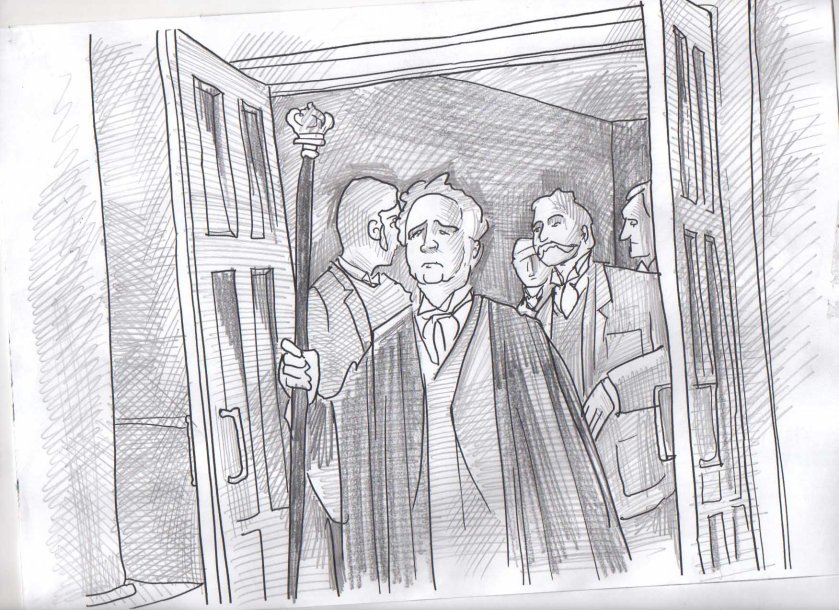
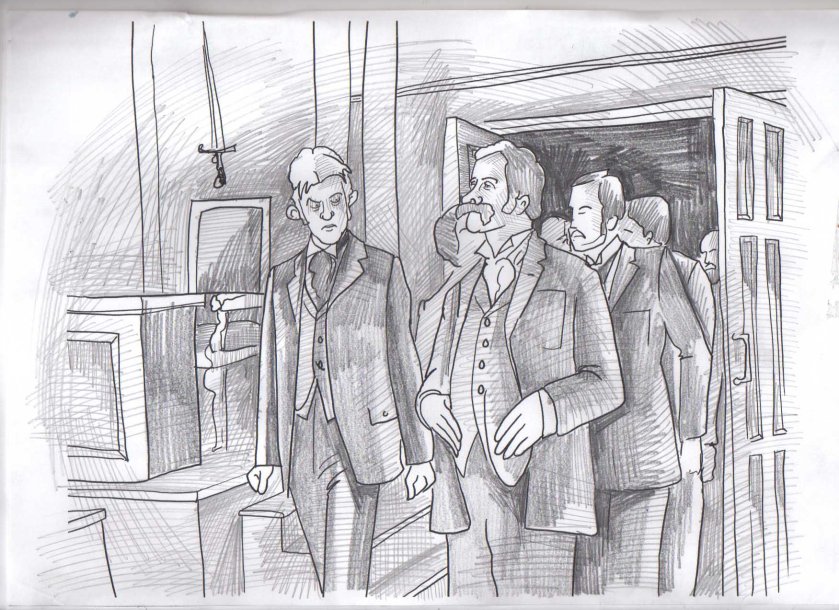


in this arena
for today


for these kind words accept my thanks i pray
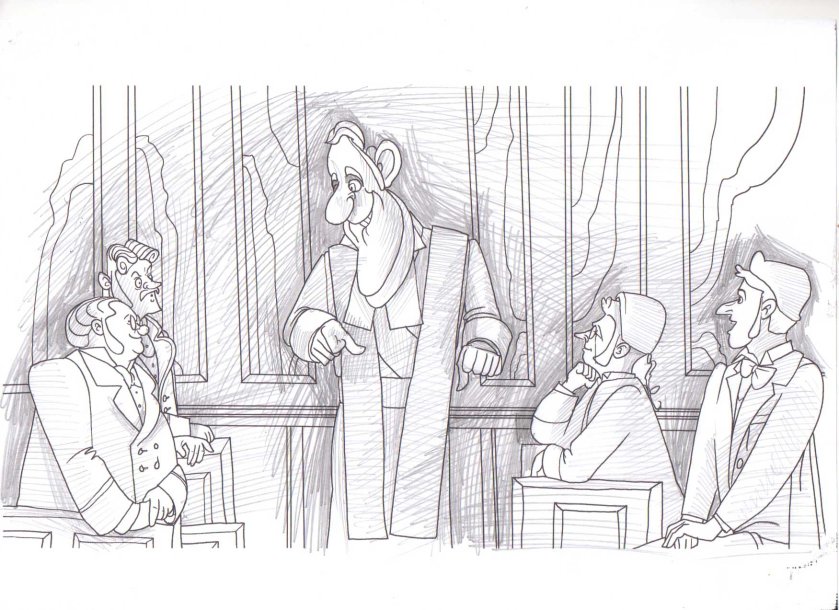
For these kind words etc

A breach of promise we’ve to try today
 All hail great judge etc

but firstly if the time you’ll not begrudge, I’ll tell you how I came to be a judge
Here are some more (the order is not correct)

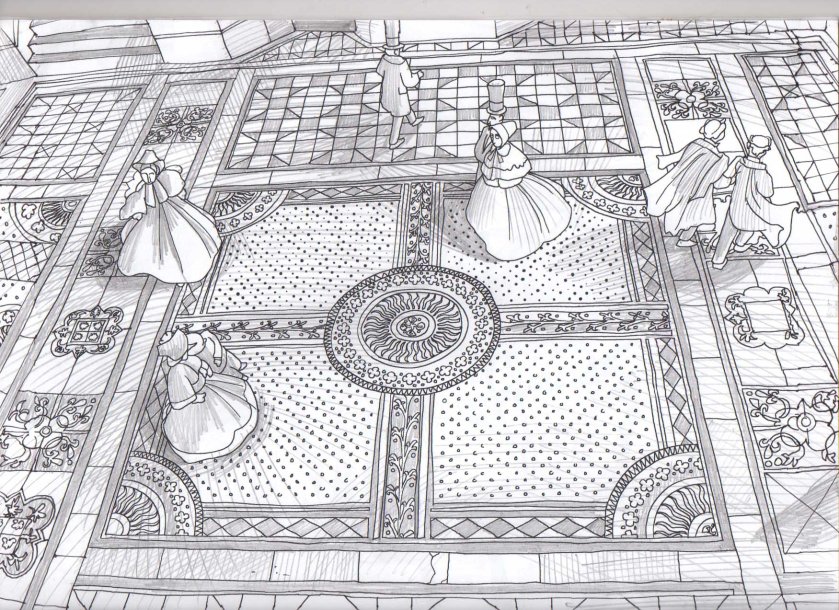


hark the hour of 10 is sounding

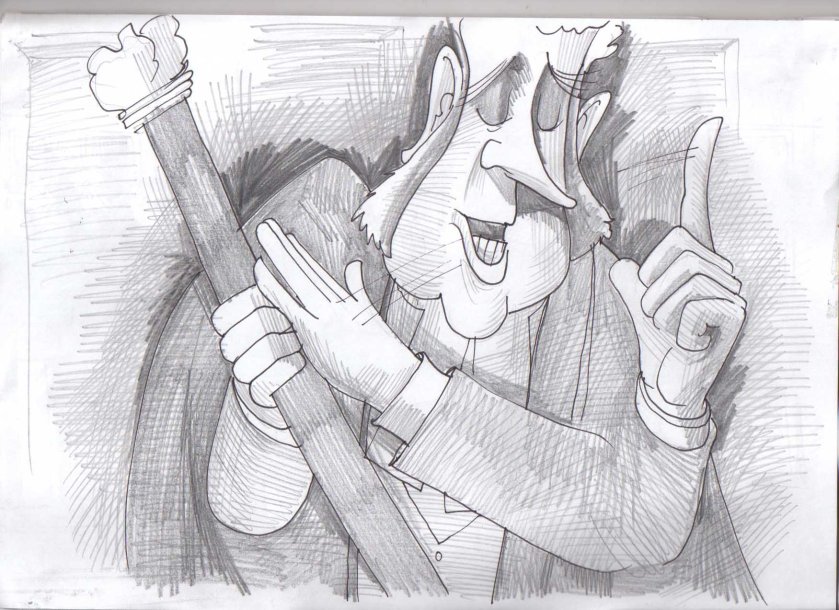


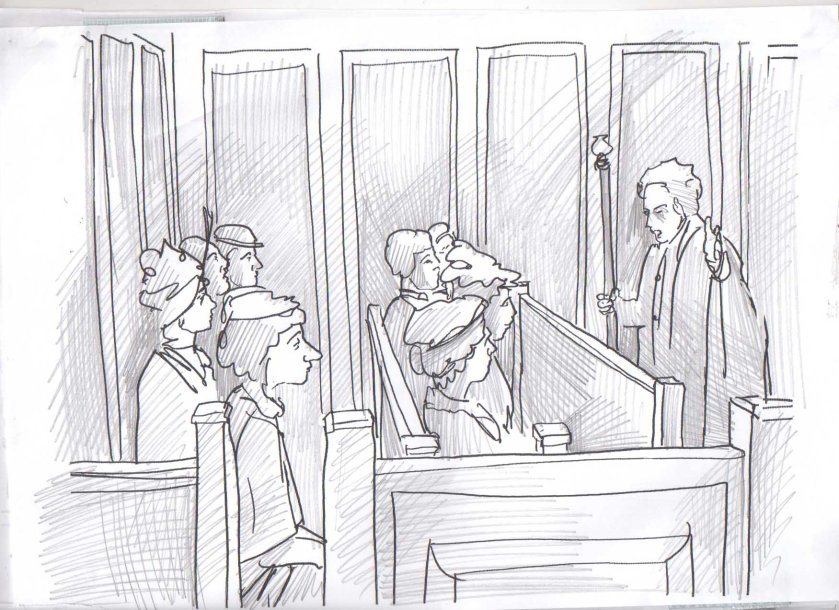

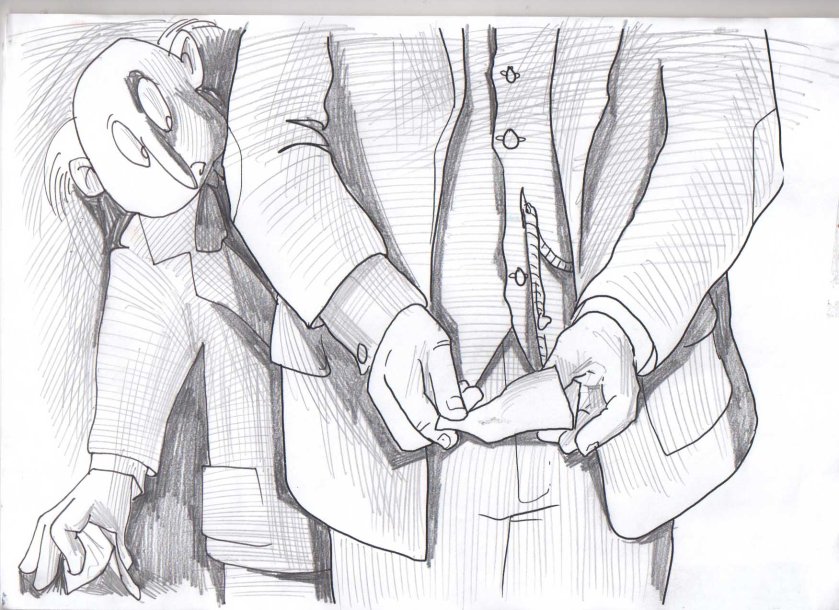

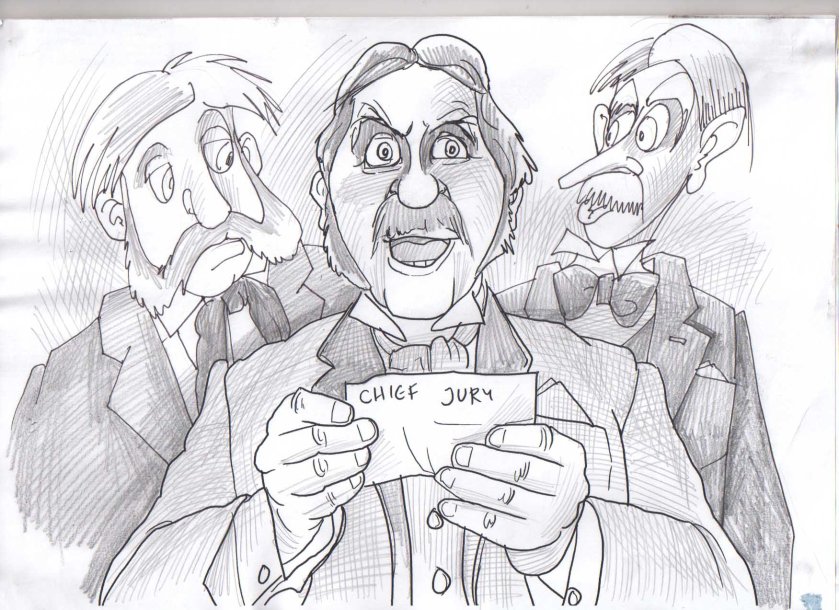


hearts with anxious fears abounding


Upon the other side…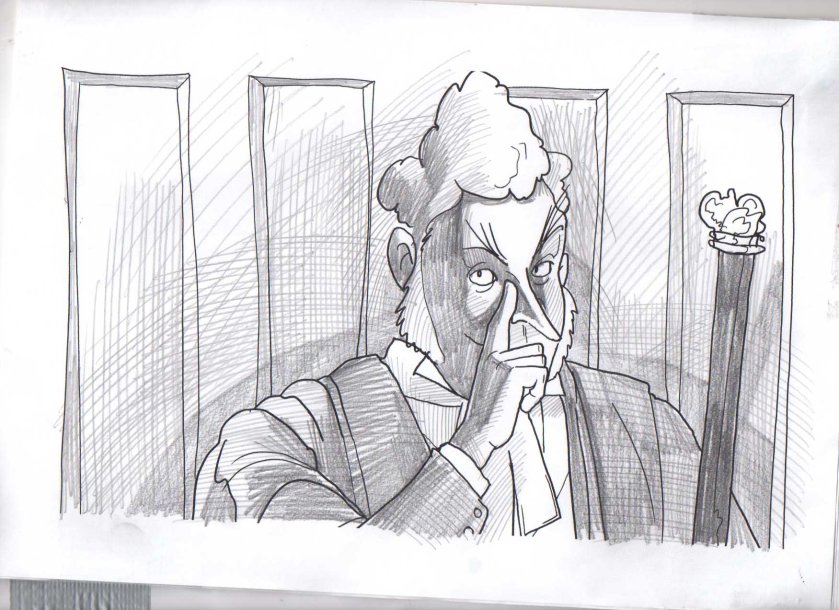
What he may say you needn’t mind
from bias free of every kind

oh listen to the Plaintiff’s case
the broken hearted bride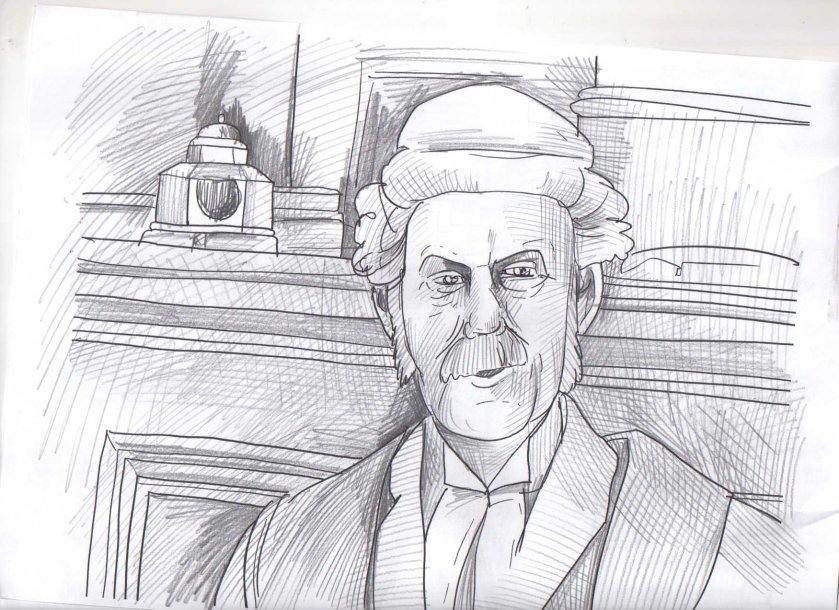
Here are some of the storyboard sketches for our TRIAL BY JURY project:
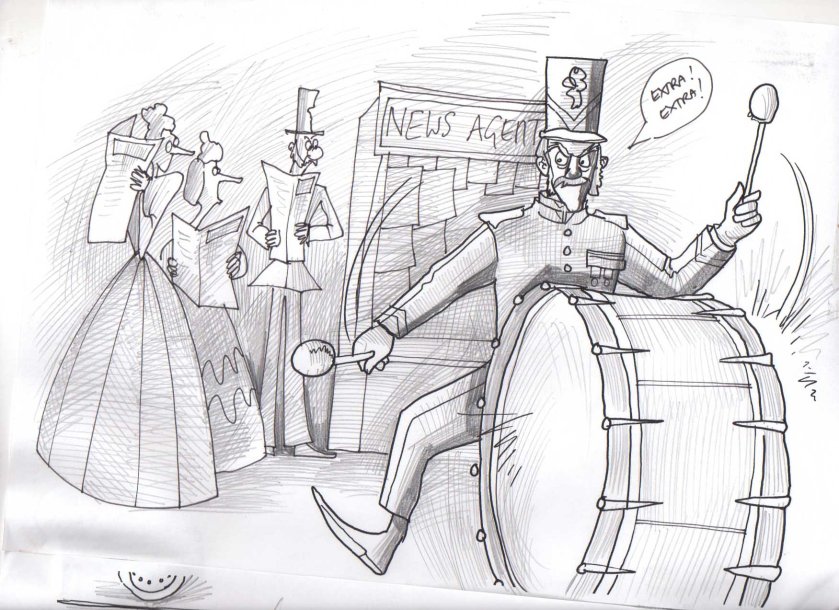
prologue


usher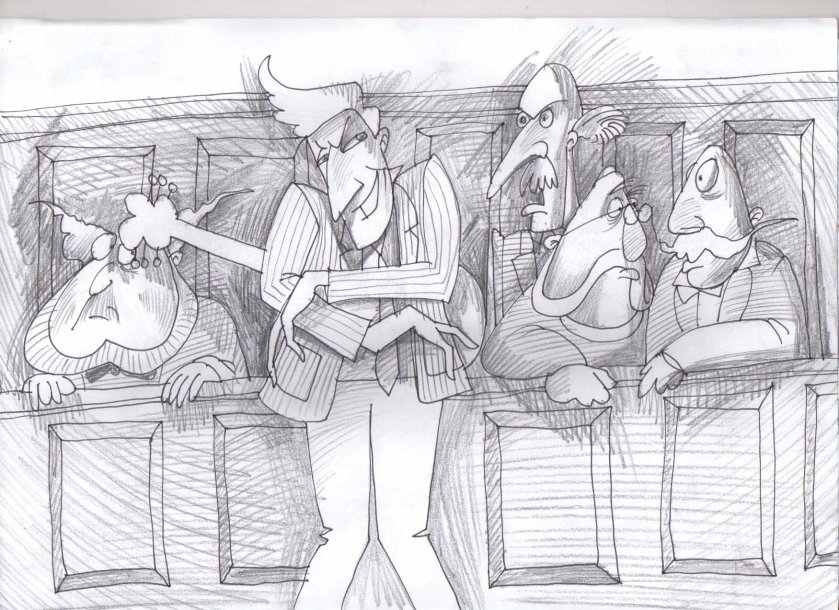
tink a tank

defendant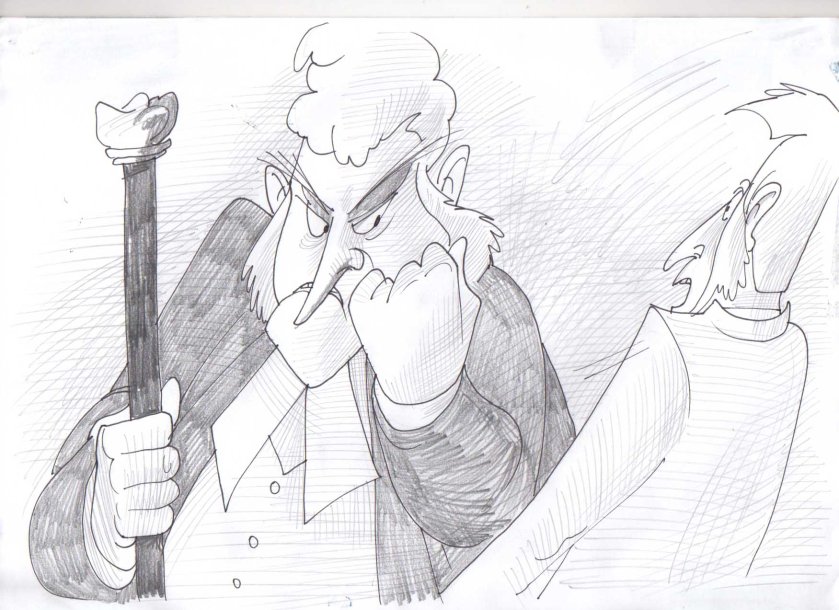


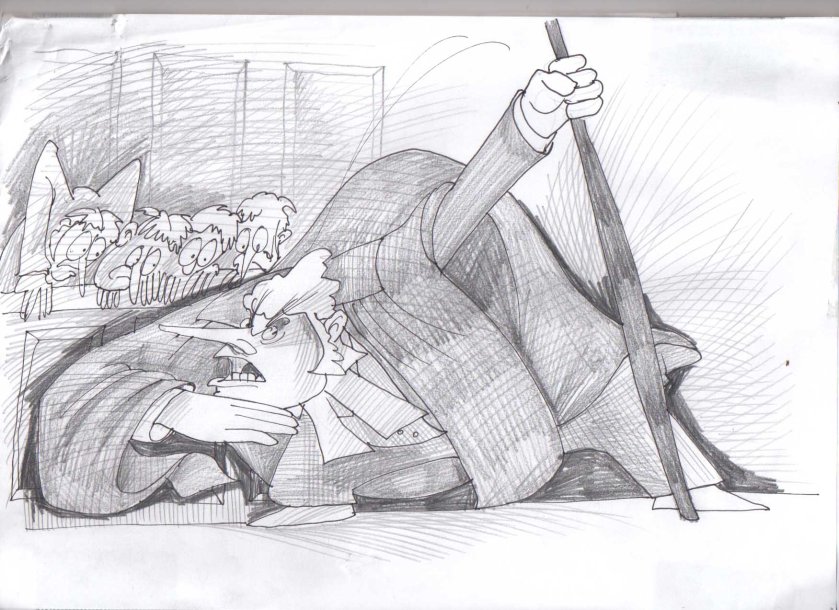
usher


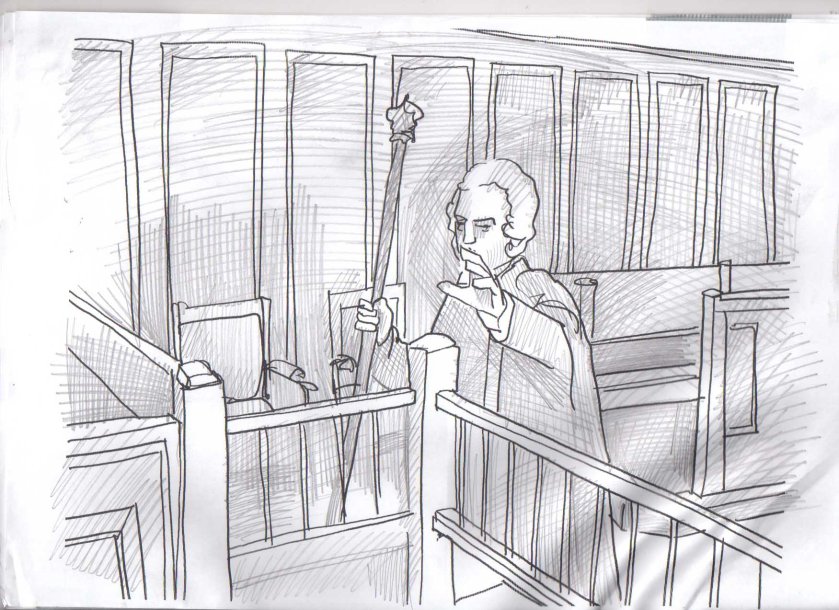

judge
Here is a version of the current showreel:
with some additional imagery from “How pleasant to know Mr Lear”


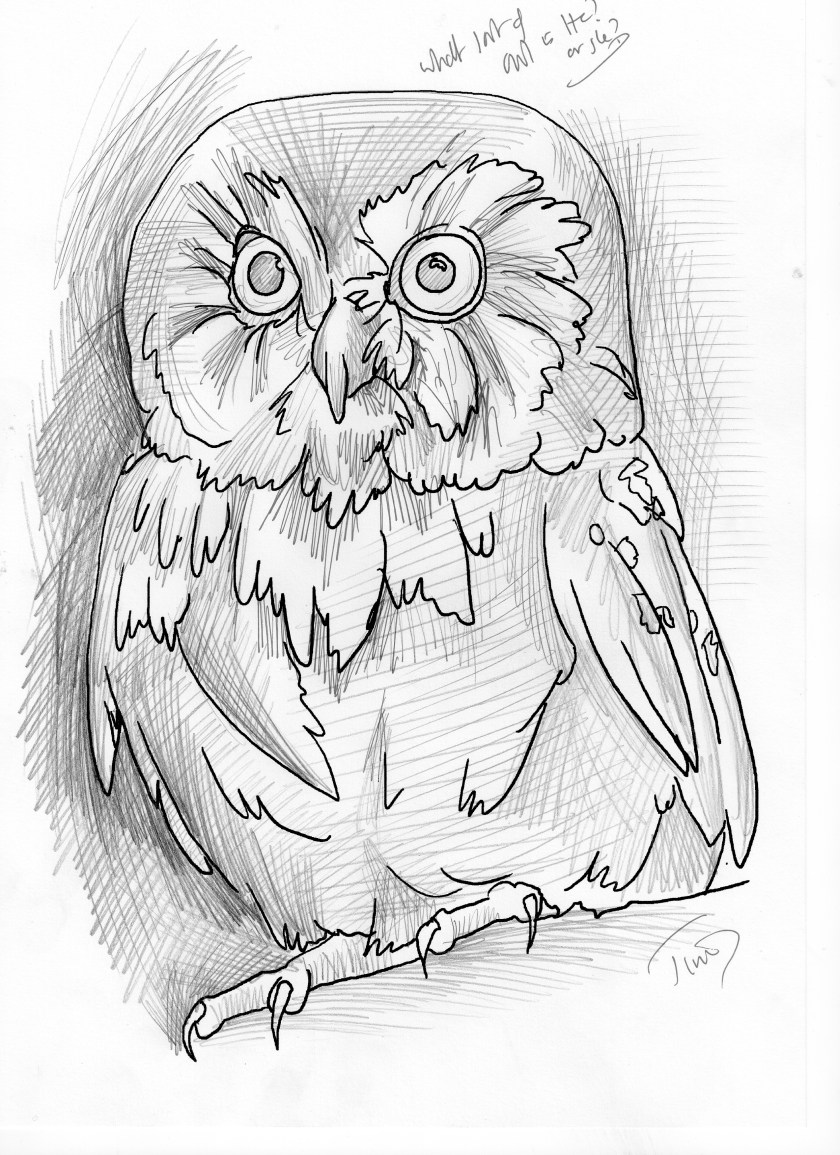

From BBC 4

From A History of the Music Hall, Part 2. (Part 1 here:
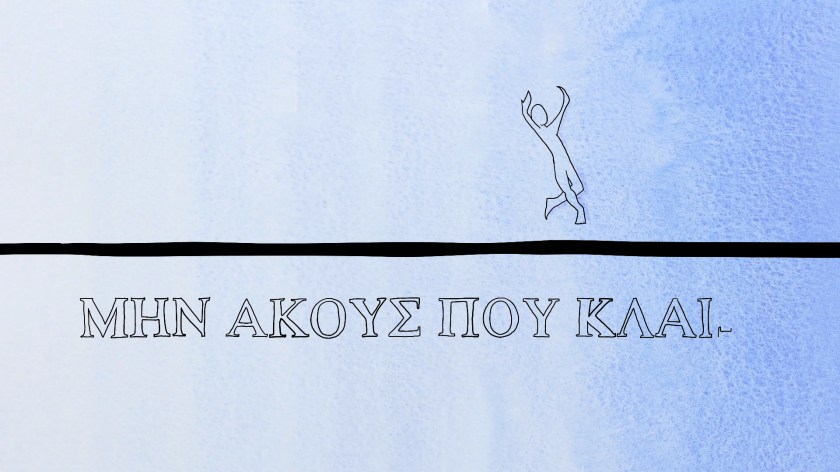
From Juststeve: Μία Ζωή Στα Χέρια Σου | Mia Zoi Sta Heria Soy

From a film about the Odyssey (Zontul)

From Wasteworld, dir Andrea Niada

From A history of the Music Hall, Part 2

Jumblies (Zontul)

Captain Cod (Better off Out campaign)

Aubade- titles for a film about a guitar: dir Henry Astor.

Marie Lloyd from “A History of the Music Halls, part 2 by Tim Wilson” (Zontul)

Introduction/ overture to “Trial by Jury” in development (Zontul. Music David Watson, Kanon editions) Gilbert and Sullivan

Red is the colour of life: charity campaign and TV series in Turkey (Title sequence)

Burlington Bertie (Animation & Voice Tim, music David Watson/ kanon editions)
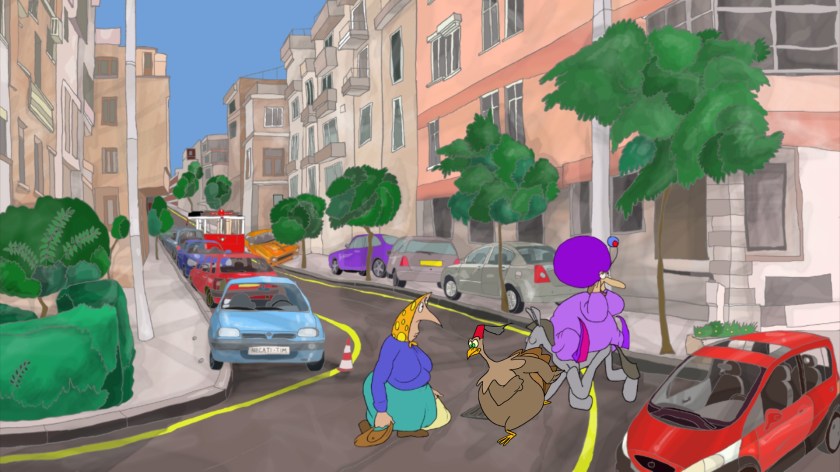
“Torture Cartoon” sponsored by Screen south, dir photography Richard Hering, animation by Tim. (Zontul)
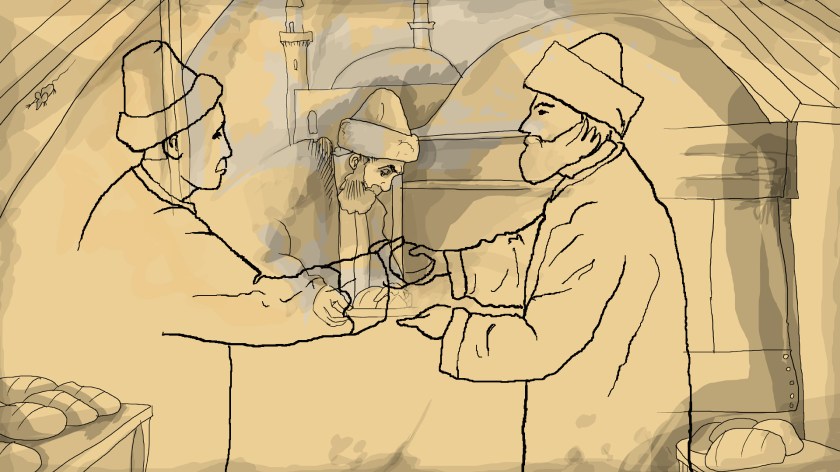
Bread father- Darende a personal history

How to be Boss, What Plato says – Best animation 2012 (Reed) Animation by Tim, Music Juststeve.

How to write a good essay – by Professor Tim Wilson (Zontul) animation and presentation
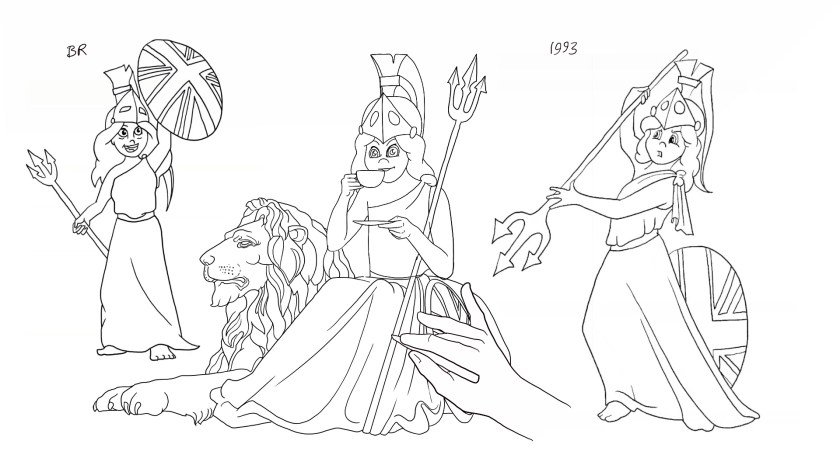
Better off Out campaign 2016 – Betty Brexit

From British History’s Biggest Fibs Episode 3 (17 animated sequences throughout the series and titles by Tim) Produicer: Nick Gillam Smith, presented by Lucy Worsley for BBC4

From British History’s Biggest Fibs, part 1 (Richard III) 6 animated sequences by Tim

Episode 2: British History’s biggest Fibs (5 sequences animated by Tim)

Matilda sequence from “A history of the British Music Hall part 2” (animated by Tim, cel- painting by Necati Zontul), music by Kanon editions

The Judge’s song from “Trial by Jury” (Zontul) by Gilbert and Sullivan (In development)
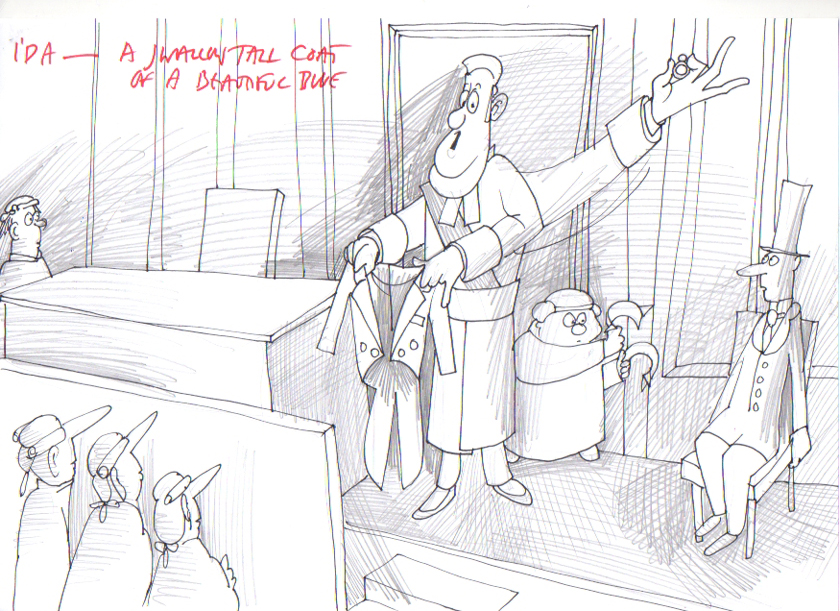
Storyboard from Trial by Jury showing original blocking for the scene

How Pleasant to Know Mr Lear (vocals: Thomasin Tresize, music David Watson, Kanon editions, other storyboards: the night I appeared as Macbeth, vocals Tim Wilson, arr David Watson.)
Just getting to the point where the judge can be coloured.
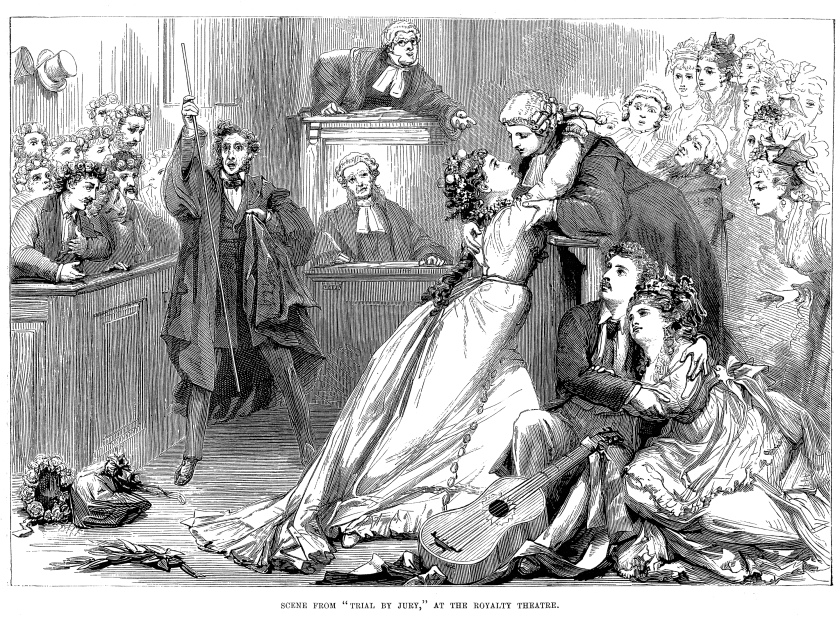
The 19th Century woodcut illustration industry was very peculiar. So while Leech, Tenniel, Phiz (Halbot Knight brown), Dore and co produced very fine and very quick drawings, these were then copied by craftsmen called “woodpeckers” and turned into prints. In the case of the Punch cartoons, this process must have been accomplished in a matter of days and some of it is astoundingly complex. The best “peckers” in the business seem to have been the Dalziel brothers who worked on the Tenniel Alice illustrations of 1865 and 1871 as well as Moxon’s Tennyson poems of 1857.

The wood engraving process was different to that used in the late middle ages. The woodcut used the plank wood or side grain, and tend to be larger using bigger tools, but for Tenniel and co, the end grain was used on very hard wood (boxwood/ Buxus sempervirens, though lemonwood is also used) and the quality of detail compared favourably with copper and steel engraving or even etchings. The wooden blocks are often worked on stuffed leather pads which allow the craftsman to work at almost any angle, a bit like a modern Cintiq and the resulting block could be printed with ordinary letter-press rather than using a special printing press as in the case of steel, copper or etchings.
The wood engraving process was expensive and labour intense. Gustav Dore, for example, could not find a publisher prepared to cough up the funds to print his illustrations to the Inferno, so in 1855, he self-published the book which not only continues to be reprinted but both made him a household name and a tidy profit.
There were cheaper and quicker processes available. The Voltaic press (electrotyping) allowed for a greater print-run but the same woodblock seems to have been the starting point and litho-prints allowed for colour but until the late 19th Century had very limited print runs. The photomechanical systems introduced by 1893, the year Tenniel was knighted, pretty well destroyed the woodprint industry overnight.
Our “Trial by Jury” images try to nod towards the style of the “woodpeckers” and accordingly I have been “inbetweening” crosshatching effects. It demonstrates how time-consuming and effective was the original craft.

I posted this picture a while ago and here is the latest line-test with some corrections to the Right arm and the addition of the pigtail.
 animate-tim.com