Digital Orchestration The use of Sample Libraries / Virtual Orchestration in Music Production

Turn on the television anytime and the chances are you are going hear music that is produced using digital orchestration and sample libraries. So, the orchestra you are hearing is not, in the conventional sense, an orchestra at all – it just sounds like one. If the music production is done well, it should be almost impossible to distinguish between what you are hearing and what a “real” orchestra would sound like. That is the art / science of digital orchestration. The music for CSI, The Mentalist, Dexter and many more, is all produced “inside the box”. It is now almost impossible to find an advert where the music is not produced in this way. Tight production schedules and limited budgets usually don’t allow for recordings of real orchestras, so the sample based recording isn’t just a demo or a mock-up, it is the final cue.

Click on the link below. Here, there are two examples of an orchestral piece by Vaughan Williams and two examples of a Beethoven string quartet. One of each piece is produced using digital orchestration – which is which?

http://www.kanon.co.uk/XY.htm

More and more, and for the same reasons, this also applies to films. Low and mid-range budget films will never be able to finance studio recording sessions with a large orchestra, music director, producer, recording and mixing engineers etc. Even in some blockbuster films where large Hollywood style orchestras are used, the soundtrack will often be enhanced with extra sampled percussion and brass etc.

What is sampling and how does it work?

Not Robots and Nothing to do with Synthesizers!

When you hear sampled music, you are hearing real musicians playing real instruments, – a solo violinist may well be playing a Stradivarius! – but, every single note and articulation has been sampled – recorded – separately and often many times over. Every note an instrument can play and in every way – ppp, pp, p, mp, mf, f, ff, fff, sfz, staccato, detache, legato, flautando, harmonic, con sordini, pizz, and so on, is sampled in meticulous detail. Often, but not always, these samples will be recorded “dry”. That is, with absolutely no ambient sound, echo, reverb. If you listen to dry samples, they are very uninspiring – if you have ever been in an anechoic chamber you will get the idea. Reverb to taste is added later. More about reverb anon. The world leading Vienna Symphonic Library (VSL) have built their “Silent Stage” so that all their sampled recordings are completely dry.

A full orchestral sample library will go through this process for every instrument. In addition, where sections of players are required e.g. First Violins, Second Violins etc. there may well be 14 or more players playing together. Full professional sample libraries are massive containing millions of samples.

The Legato Revolution

An important milestone in orchestral sampling occurred in 2002 with the development by Vienna Symphonic Library of the “interval legato concept”. Anyone who has learned to play an instrument to a reasonable standard will be aware that it is not enough just to play the correct notes in the correct order in the correct time. Good phrasing, and especially legato phrasing, will utterly transform a piece. Hitherto all sample libraries faced the same problem – how to join notes together so the phrase or passage sounded completely authentic. In 2002 VSL developed complex algorithms which overcame this problem, the results were astounding and this process has been taken up by all sample developers ever since.

Click on the link below to listen to a 1st Violin section from VSL.

http://www.kanon.co.uk/XY.htm

No More Machine Guns!

Around the same time VSL also developed the method of using different samples for repeated notes. Most music contains many parts where the same note is repeated many times. If the same sample is repeated many times the result is not at all convincing and is known as the “machine gun effect”. The developers created a system where each repeated note triggered a different sample of the same note giving a much more realistic sound – this is now universally referred to as “round robins” and all serious sound libraries use this system.

Software

What do you do with 10 million samples?

Fortunately the companies producing such vast libraries also produce highly sophisticated software to control and manipulate the samples. The screenshots below show part of the user interfaces for VSL’s Vienna Instruments and East West Quantum Leap’s PLAY software. It is here that the user controls and manipulates the samples. There are many other companies with similar products but these are the two with which I am most familiar and use on a daily basis.

Usually there is a matrix where the user loads the samples required. In some pieces only a few articulations will be required e.g. sustain and legato, for other more complex pieces a wide range of individual articulations will be needed. This can be very demanding on computing power and often slave computers with powerful processors. a lot of RAM and several solid state hard drives, will be needed to take the strain.
Screenshot 3 Screenshot 4

A set-up like this can be used as stand-alone connected to a keyboard where the player can play, for example, an incredibly realistic string or brass section. This is commonly used in “live” situations. This of course has been and continues to be controversial as many musicians see it as a threat to their jobs and there is no doubt that this does and will continue to happen. On Broadway in 2003 there was a Musicians Strike which began as a strike over pit minimums and rapidly escalated. In London’s West End Cameron Mackintosh moved Les Miserables from the Palace Theatre to the Queen’s Theatre leading to a reduced orchestral size – a smaller pit – and increased use of samples triggered from keyboards. So, from the audience’s perspective there was no reduction in sound produced by the orchestra.

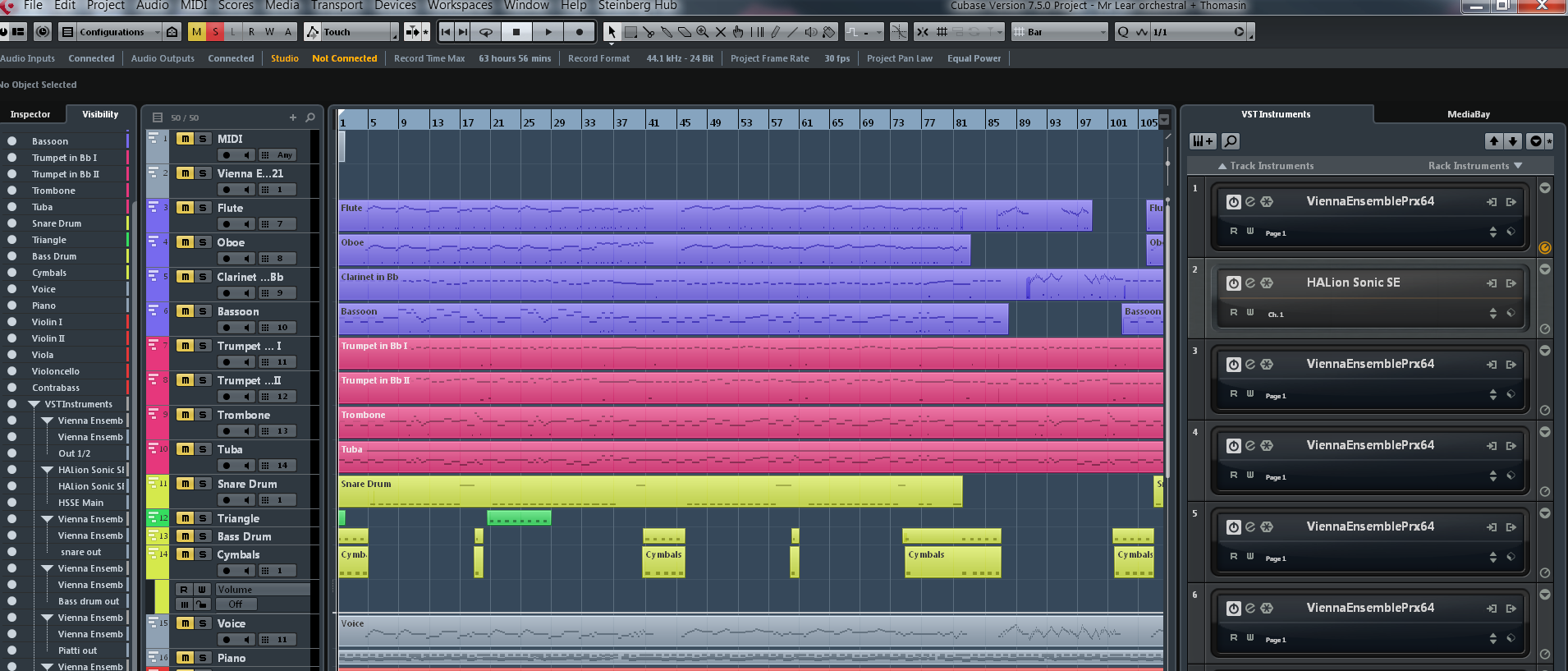
In music production for TV, Films and CD type work these interfaces will normally connect to a DAW (Digital Audio Workstation) such as Cubase, Protools, Studio One etc. Here the user controls the whole audio project with as many instrument tracks as required – it could be over a hundred.

Below are examples of editing widows from Cubase.

Screenshot 2 Screenshot 1

The coloured track lanes are individual instruments which are processed as required and eventually mixed down to stereo, or surround sound. It is in these widows that all the minutiae of editing takes place. The process here is similar to standard multi-track recording which of course is the staple of many recording studios. In some cases this is still done using multi-track tape recorders – analogue – but more and more, using computers – digital. Each method has its own champions and many a heated discussion takes place over their relative merits.

How Pleasant To Know Mr Lear

Screenshot 3 is from “Following Lear” Zontul Films Ltd currently in production. The music was composed and produced by David Watson (Kanon Digital Orchestration) using the digital orchestration techniques described above. A mixed stereo file was sent through the ether to Shonk Studios Oxford where soprano Thomasin Trezise recorded the vocals which were then sent back to Kanon for mixing and mastering. This track is not finalised but you can listen to the work-in-progress by clicking on the link below. You can also see Tim Wilson preparing some of the storyboards and animations for the piece.

A Note on Reverb

I mentioned above that many sample libraries are recorded completely dry i.e. with no ambient sound on the recording. This has the benefit of giving the producer much greater control of the final audio track. Reverb techniques have come on a long way since the days of the old “spring” reverb. This was literally a spring inside a plastic pipe which could be inserted into the audio path. It gave pretty impressive results for its time but if you want to see one now you will have to go to a museum!

There is a vast array of very high quality hardware and software reverb systems available. Where pure acoustic realism is sought, rather than a reverb or echo “effect”, the most commonly used system is that of Convolution Reverb or Impulse Response. Without going into the physics of the process, convolution reverb involves audio engineers going to a particular venue – a concert hall, scoring studio, a church or even a famous cathedral and actually recording the directional sound impulses of that space. Using these programs and impulses you can then place your “dry” instrumentalists or singers “virtually” in that space. The realism of the results can be quite amazing.

VSL’s Multi Impulse Response convolution (MIR)

VSL’s MIR, which I use a lot, goes even further taking up to 5000 impulse responses per room. They will also consider the placement of any instrument on a stage and the directional and sonic characteristics of the instrument. Microphone placement is very important and it is possible to listen as the conductor, someone sitting near the front of the auditorium or at the back or in the balcony and so on.

Mozart wet and dry.

Click on the link below to listen to excerpts from the Overture to The Marriage of Figaro.

http://www.kanon.co.uk/XY.htm

This first one I have kept mercifully short. It sounds raucous, out of balance and truly awful. Yet, apart from the addition of the MIR impulses and instrument placement, it is identical to the second example which I hope is more pleasing to the ear. This second example is placed in the Mozartsaal in Vienna.

Where to now?

The speed of technological advance is unlikely to slow down. Computers are getting more powerful, processors ever faster, solid state hard drives will become the norm – this can reduce the need for huge amounts of RAM. The professional sample library market is very competitive with new top-end products advertised in specialist magazines every month. The digital / virtual orchestration area of the music business is almost unrecognisable from that of just a decade ago.

Where does that leave our living breathing musicians? The business will continue to change and musicians will have to adapt, there is no doubt about that. However, music conservatories across the world continue to produce incredibly talented musicians. Perhaps the British – but not the Scottish – Government has come up with a solution – stop producing musicians! The introduction of the Ebac. The Ebac will essentially be compulsory for all maintained schools. The Ebac does not include music and the arts! Any school which does not conform cannot be graded as outstanding. I feel sorry for the head teachers – especially those with a creative arts background – who will have to make very difficult decisions. I suppose we get the governments we deserve. After all we elect them. Or at least at the last election the 66% of us who voted did.

Perhaps there is something to be said for a benign dictatorship – especially if musicians are in charge!

David Watson

August 2015

Kanon Digital Orchestration

Auchermuchty Scotland

www.kanon.co.uk

Illustrated history of the Music hall

Here is a link to the first part of my talk on the history of the Music hall.

history bertie2 flat

\

and here is a link to Julie Andrews singing the National Anthem for the King at the Palladium:

Here incidentally is a recording of Dame Julie at 12 singing, at the height of her “Educating Archie” days – simply spectacular

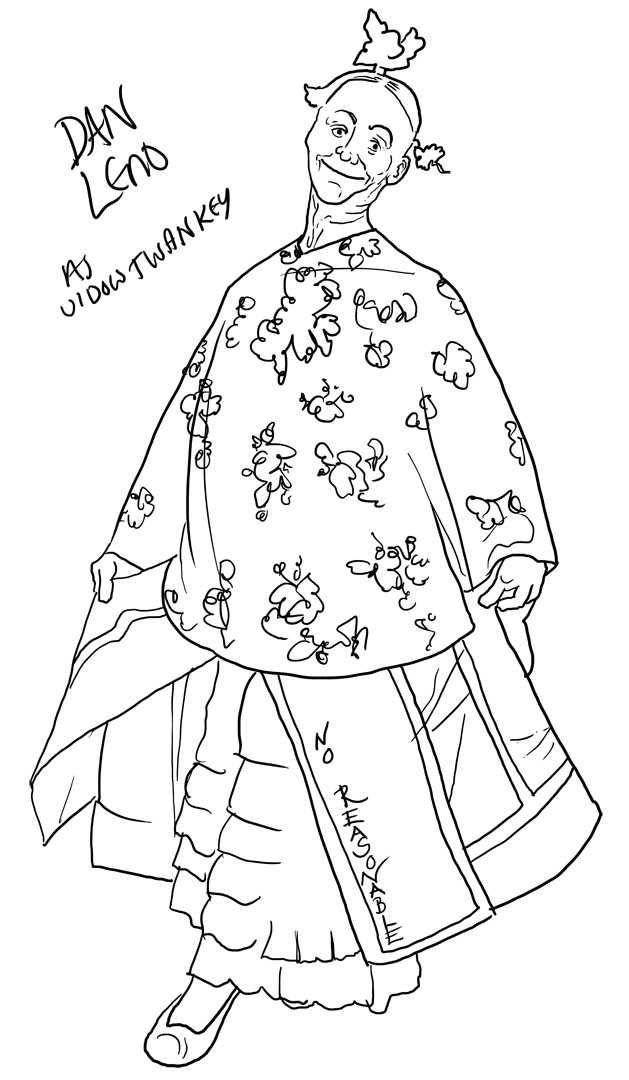
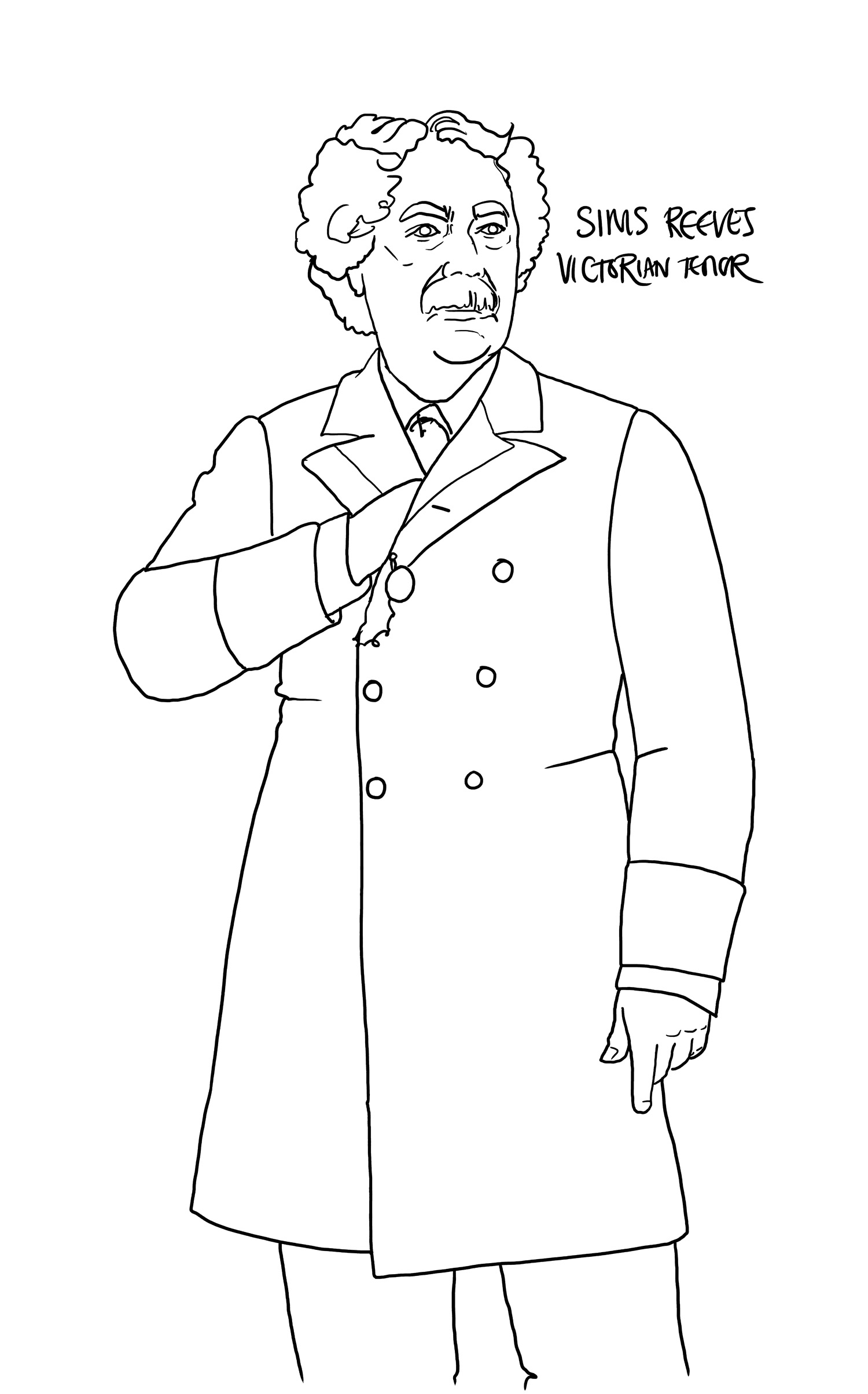
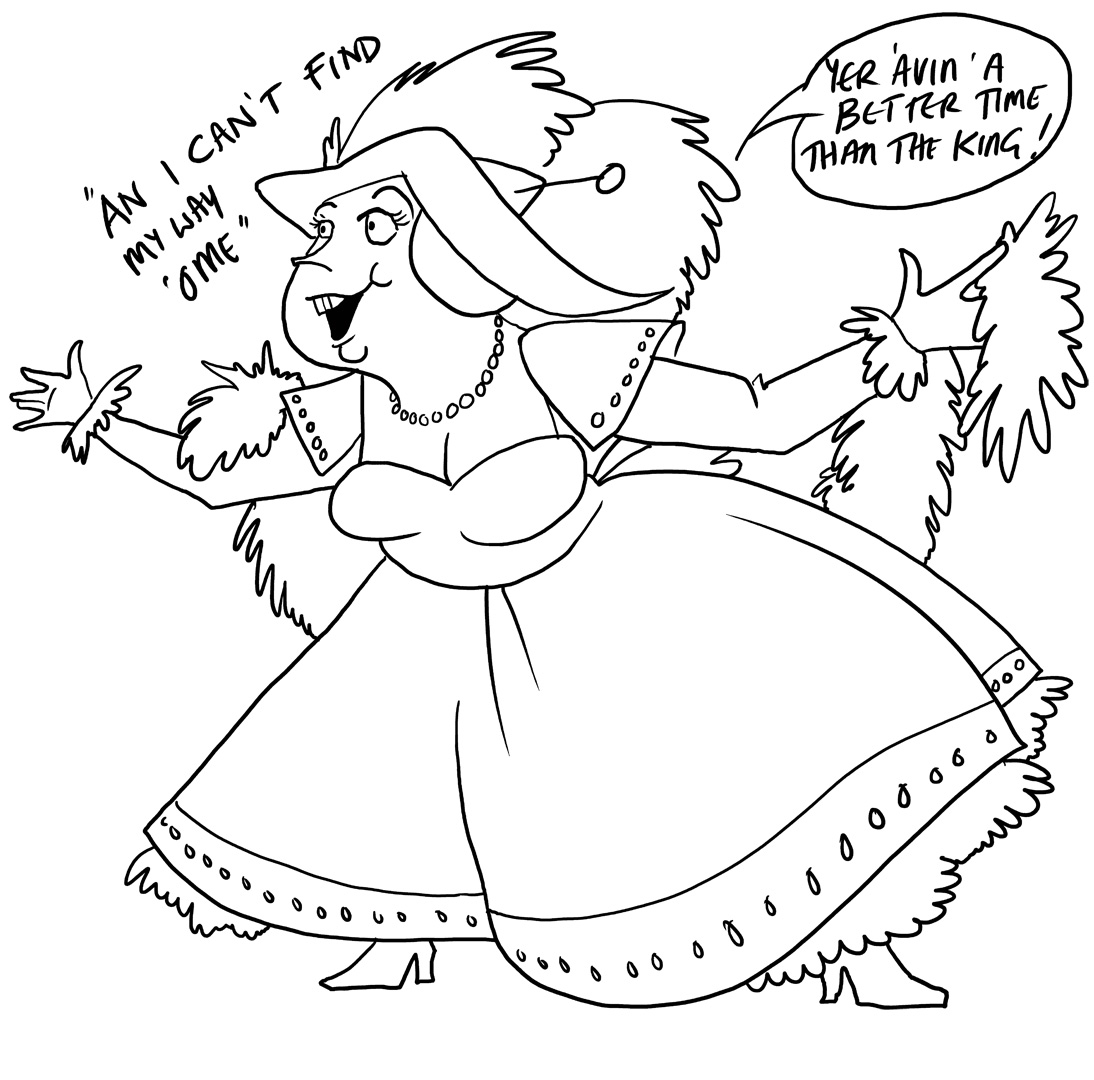
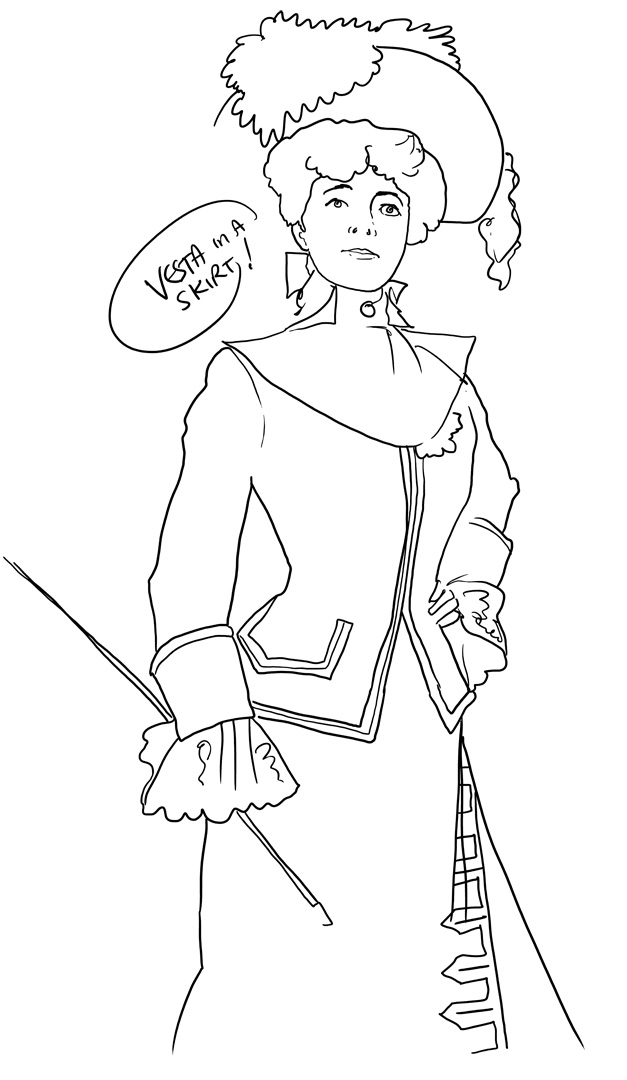
and here are some of the illustrations from the film:

dan_leno chicago vesta in dress arthur_lloyd Vesta_Tilleyagain1 Sims_Reeves vesta Bessie Bonehill KingHetty

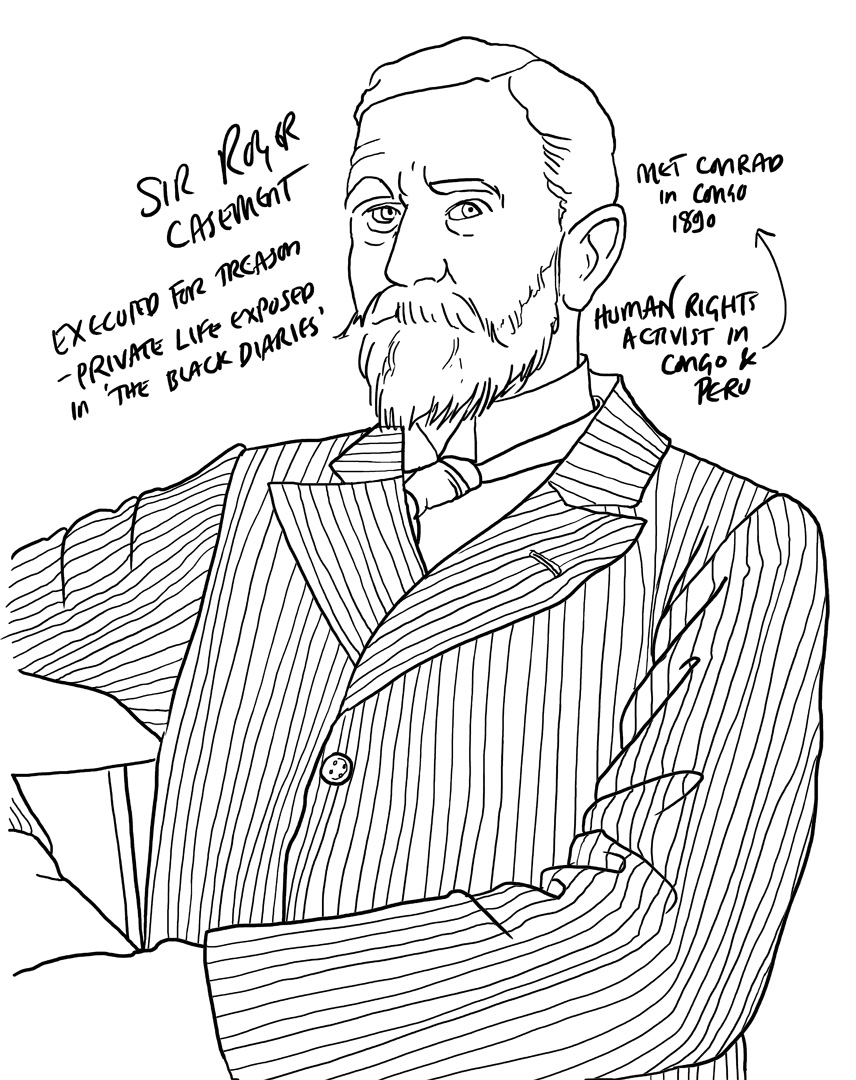
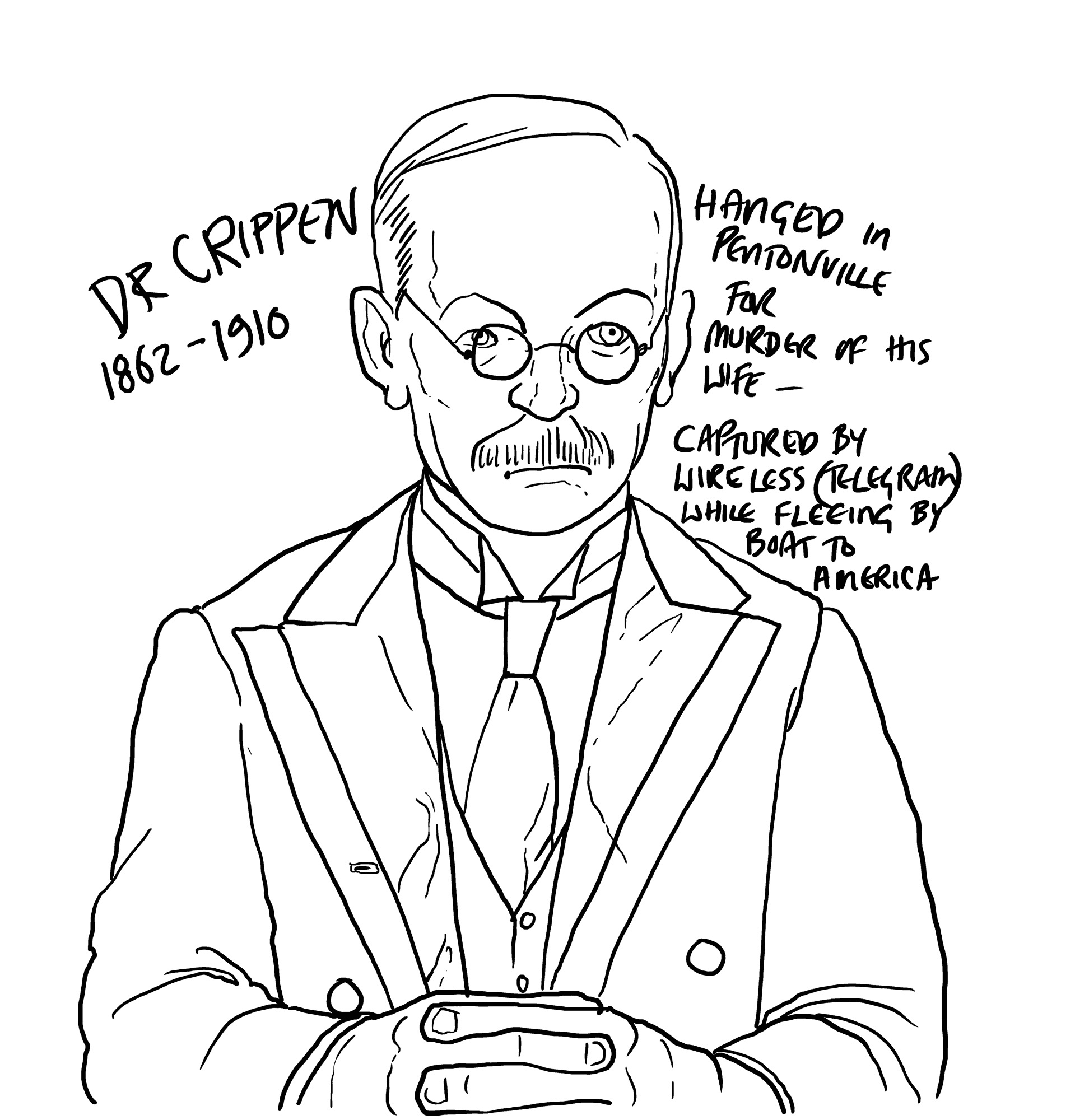
fe smithDiana_Cooper01thanks for the memorypaul-chinquevallimarie linnet3vesta in dressarthur_lloydVesta_Tilleyagain1punch copy 4julie andrewsSir_Edmund_Backhousecasementfe smith solicitorgeneraethel-le-neveFrederickEdwinSmithHhcrippenpunch copy 3punch copy 2punch copymarie lloyd more3lady de freceleslieLittle_Tich fanny-andstella Fanny_and_Stella_again

Here’s a scene from the Drury Lane production of “Oliver!” which sums up everything about the Music Hall, I suppose.

Poppies- the Turkish charity: “Red is the colour of life”

Here is the finished version of the title sequence:

early poppy sequences:

music by David Watson, used with kind permission

©David Watson, Kanon editions 2015

©Tim Wilson, Zontul Films 2015

sojourn in Albania

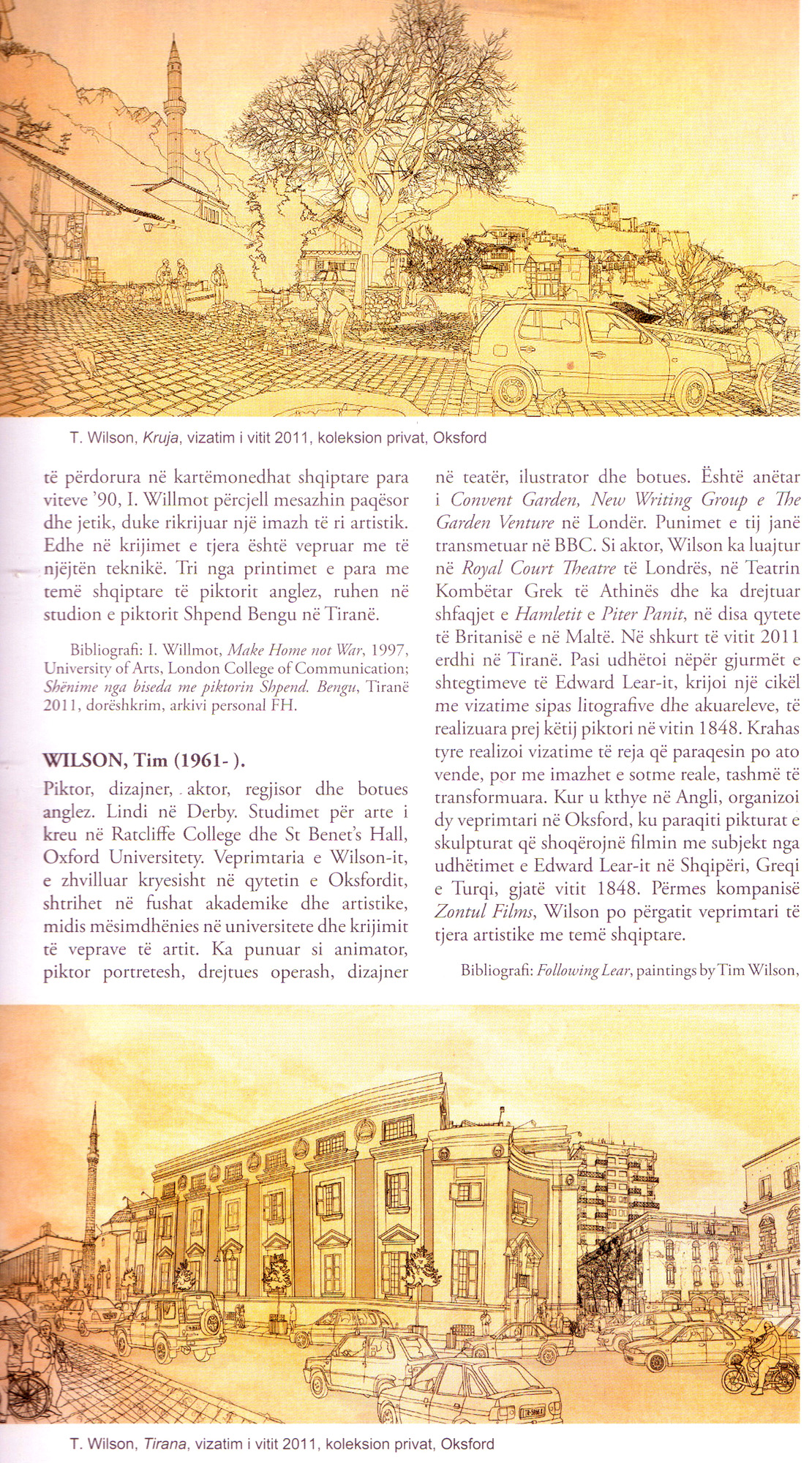
I am not sure I have posted this, but rather remarkably there is an article in the Albanian Encyclopedia of Art about me and about what we are doing on the Edward lear Project. I think we are now approaching the 10th year of working on this and last year we were filming in Corfu, where Lear was very happy. I am not so sure he was ever truly content, but he made others so. Just check out the story where he reduces the young Bey of Durres to giggles without either understanding a common word. Maybe that is one way to get through life, isn’t it?

Last year at Easter it rained and the procession with the brass band disbanded at the last minute in a scene that was unutterably mediterranean…

albanian encyclopedia

Bertie on 17th December with adjusted lip sync

Here is the latest version of Bertie (20th December) I have tidied up the umbrella sequence at the end of this scene and also done a deal of inbetweening. Inbetweens are the frames between the keyframe drawings. In some cases, this means drawing 12 frames every second, but in this sequence, almost every frame is drawn, which means 25 frames a second.

This is the version from 17th December: The key to this was slightly offsetting the soundtrack- otherwise, no matter what I did, the lips did not sync up with the voice. It is a very odd phenomenon and one clearly dealt with in Williams’ book, “the animator’s survival kit”. Though, I confess I had never really taken it seriously before.

This is the (earlier) version after a day working on the hat and fleshing out some of the key animation in the latter part- the joke with the umbrella and so on. There is still a great deal to do of course, though so much tends to be of this “fiddling-kind”, tinkering rather than drawing. This is partly because the character is rooted to the spot and that makes the movements less broad. Disney had the same problem really with the doorknob in “Alice in Wonderland.”

The doorknob:

odd character, not a character in the original book and fiendishly difficult to ensure that it looks as if it is screwed to the door.

This is the original:

alice_in_wonderlandsmall door tenniel

Suddenly she came upon a little three-legged table, all made of solid glass; there was nothing on it except a tiny golden key, and Alice’s first thought was that it might belong to one of the doors of the hall; but, alas! either the locks were too large, or the key was too small, but at any rate it would not open any of them. However, on the second time round, she came upon a low curtain she had not noticed before, and behind it was a little door about fifteen inches high: she tried the little golden key in the lock, and to her great delight it fitted!

Alice opened the door and found that it led into a small passage, not much larger than a rat-hole: she knelt down and looked along the passage into the loveliest garden you ever saw. How she longed to get out of that dark hall, and wander about among those beds of bright flowers and those cool fountains, but she could not even get her head through the doorway; ‘and even if my head would go through,’ thought poor Alice, ‘it would be of very little use without my shoulders. Oh, how I wish I could shut up like a telescope! I think I could, if I only knew how to begin.’ For, you see, so many out-of-the-way things had happened lately, that Alice had begun to think that very few things indeed were really impossible.

There seemed to be no use in waiting by the little door, so she went back to the table, half hoping she might find another key on it, or at any rate a book of rules for shutting people up like telescopes: this time she found a little bottle on it, (‘which certainly was not here before,’ said Alice,) and round the neck of the bottle was a paper label, with the words ‘DRINK ME’ beautifully printed on it in large letters.

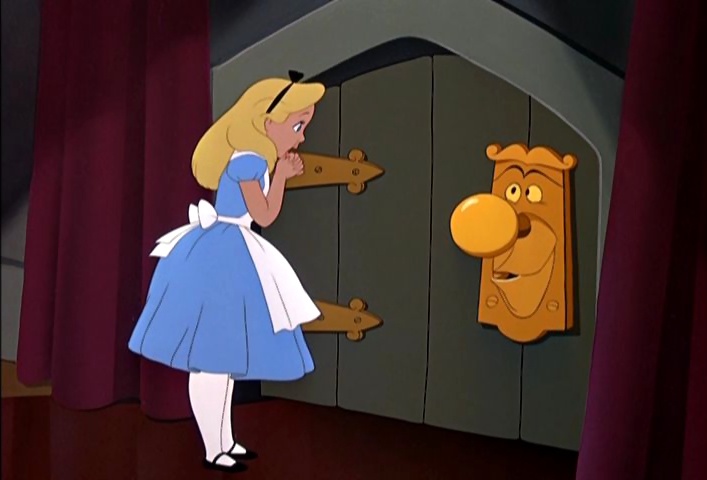
The Disney version, however, gives the Doorknob quite a scene: 

alice doorknob

(the Doorknob was voiced by Joseph Kearns, Alice is Kathryn Beaumont) 

alice a

DOORKNOB: Ohhhhh!!

ALICE: OH! Oh, I beg your pardon.

DOORKNOB: Oh, oh, it’s quite all right. But you did give me quite a turn!

ALICE: You see, I was following…

DOORKNOB: Rather good, what? Doorknob, turn?

ALICE: Please, sir.

DOORKNOB: Well, one good turn deserves another! What can I do for you?

ALICE: Well, I’m looking for a white rabbit. So, um, if you don’t mind…

DOORKNOB: Uh? Oh!

ALICE: There he is! I simply must get through!

DOORKNOB: Sorry, you’re much too big. Simply impassible.

ALICE: You mean impossible?

DOORKNOB: No, impassible. Nothing’s impossible! Why don’t you try the bottle on the table?

ALICE: Table? Oh!

DOORKNOB: Read the directions, and directly you’ll be directed in the right direction. He he he!

ALICE: ‘Drink me’. Hm, better look first. For if one drinks much from a bottle marked ‘poison’, it’s almost certain to disagree with one, sooner or later.

DOORKNOB: Beg your pardon!

ALICE: I was just giving myself some good advice. But… hmm, tastes like oh… cherry tart… custard… pineapple… roast turkey… goodness! What did I do?

DOORKNOB: Ho ho ho ho! You almost went out like a candle!

alice b

ALICE: But look! I’m just the right size!

DOORKNOB: Oh, no use! Ha ha ha ha. I forgot to tell you, ho ho ho ho! I’m locked!

ALICE: Oh no!

DOORKNOB: Ha ha ha, but of course, uh, you’ve got the key, so…

ALICE: What key?

DOORKNOB: Now, don’t tell me you’ve left it up there!

ALICE: Oh, dear! What ever will I do?

DOORKNOB: Try the box, naturally.

ALICE: Oh! ‘Eat me’. All right. But goodness knows what this will do… wow, wow, wow, wow, wow!

DOORKNOB: whtwhsthswwdthdwd!

ALICE: What did you say?

DOORKNOB: I said: ‘a little of that went a long way’! Ha ha ha ha!

ALICE: Well, I don’t think it’s so funny! Now- now I shall never get home!

DOORKNOB: Oh, come on now. Crying won’t help.

ALICE: I know, but I- I- I just can’t help myself!

alice c

DOORKNOB: Hey, this won’t do! Bwbwlwbbwlwbl! Say, this won’t do at all! You, you up there, stop! Stop, I say! Oh look! The bottle, the bottle…

ALICE: Oh dear, I do wish I hadn’t cried so much.

(and then she swims through the keyhole…)

alice d

Here are some random frames from the first doorknob scene and then a reappearance of the doorknob in Roger rabbit.

doorknob in Roger Rabbit

In Alice, most of the scene was animated by Ollie Johnson (certainly these lines:“Hm…better look first, for…”and “…it’s almost certain to disagree with one sooner or later”) though there is some Frank Thomas stuff too (“…if you drink much from a bottle marked poison…” ) and Thomas certainly animated the Doorknob itself and discusses it in “the Illusion of Life”. There is some animation here also by George Rowley and Blaine Gibson and Hal Ambro did the growth scene, lots of “squash and stretch”.The shrinking scene is pure Ollie Johnson though and rather brilliant. (shot 43) Alice takes up much of the scene and then skrinks and falls. Very tough assignment!

This is what is said in the book:

The knob is a simple piece of machinery, and had to be drawn with great care. Sizes that changed or jitters would have been more noticeable in this case because the character is anchored in one place. The outside says constant except for a slight move at the top in reaction to the brows lifting. The knob itself moves but never changes moves, so it retains its metallic quality. The keyhole mouth gives the feeling of enunciating the words very carefully, which fits the stuffiness of the voice.

alice looking a doorknob alice talking to door 2 alice before doorknob 3

there are some magnificent effects by Josh Meador, layout by Charles Phillipi

Alice and Maths:

To understand Alice, it is essential to get hold of Martin Gardner’s Annotated Alice (1960) and More annotated Alice (1990)

Helena Pycior writes about links between the trial of the Knave of Hearts and a book on Victorian algebra

Melanie Bayley writes more in New Scientist 2009: Alice’s adventures in algebra: Wonderland solved

Numbers have a habit in wonderland of behaving oddly. Alice forgets her multiplication tables when she is falling down the rabbit hole.
Dodgson was according to Bayley a bit conservative (stubbornly conservative mathematician) at a time when Maths was changing (introduction of “imaginary numbers”) so the Cheshire cat’s disappearance leaving behind his smile is a comment on the “absurdity” of imaginary numbers. The caterpillar scene is apparently about the absurdity of symbolic algebra: Hookah is an arabic word as is algebra and was commonly referred to in Oxford as al jebr e al mokabala, restoration and reduction, which is exactly what happens to Alice: if she eats one side of the mushroom, she grows and if she eats the other side, she shrinks. But while Allice goes from 9foot to 3 inches and complains about her “size”, what is most important in this scene is her ratio. Her actual size becomes irrelevant: she is concerned that if she eats too much of one side of the mushroom, her neck gets too big and so on. she wants to “grow to my right size again”.

The pig and pepper scene is about projective geometry and the Madhatter’s tea-party is about time – or the absence of time. I gather it is a commentary on the work of William Rowan Hamilton: In Lectures on Quaternions of 1853, he added a footnote: “It seemed (and still seems) to me natural to connect this extra-spatial unit with the conception of time.” 

Things become more obvious in “Looking Glass” particularly when the red queen tries to get Alice to run in order to stand still. Anyway, as far as I can work it out, the mathematical issues in Alice are all about satirizing contemporary academic developments. Humour lies at the heart of this book then- otherwise it is just whimsy. Maybe, but then Edward Lear got on very well with just whimsy, didn’t he!!

another day and a few more seconds of Bertie

there is alot about harmony that is good, though I must confess to some frustration over shadows where there remains a clear distinction between the outline and the painted shadow when the image is generated… very difficult to see this distinction ion real life!  Quibbles maybe but quibbles are the food of animation. When you concentrate on an image that is only projected for 1/24 or 1/25 second, there is a tendency to start nit-picking.

I shall be adding Bert’s bow tie and hat at a later stage. I will also redraw the walk down the stage wings soon so that the character remains “on model”