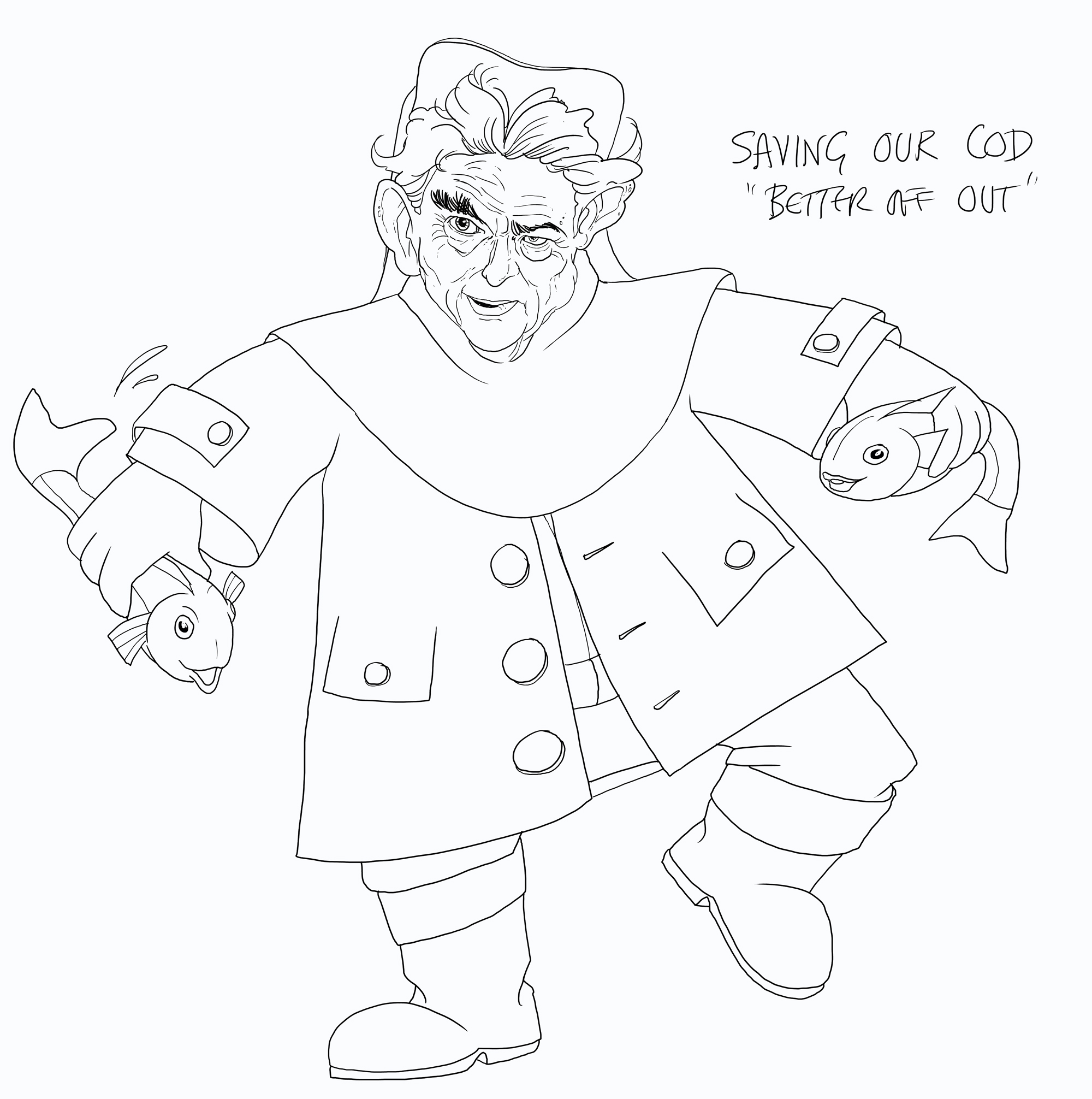
Trial by Jury, Judge’s song

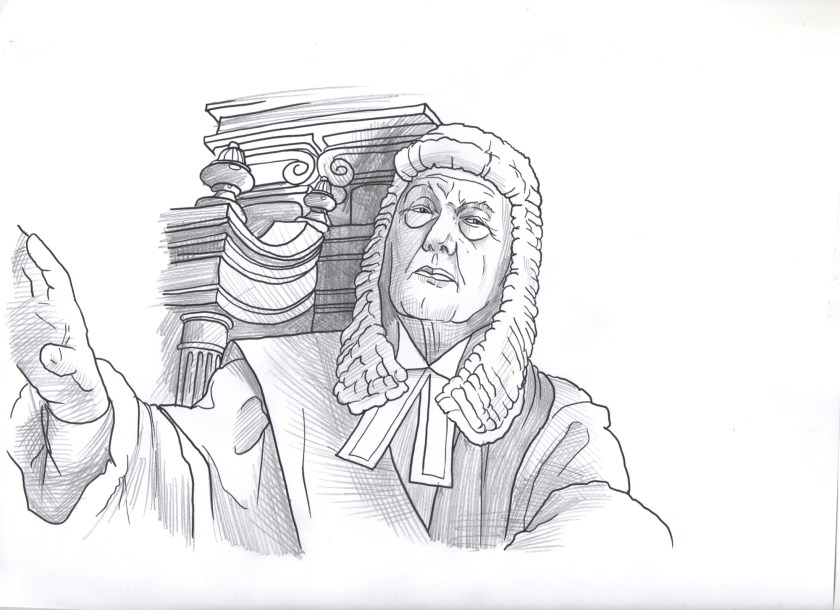
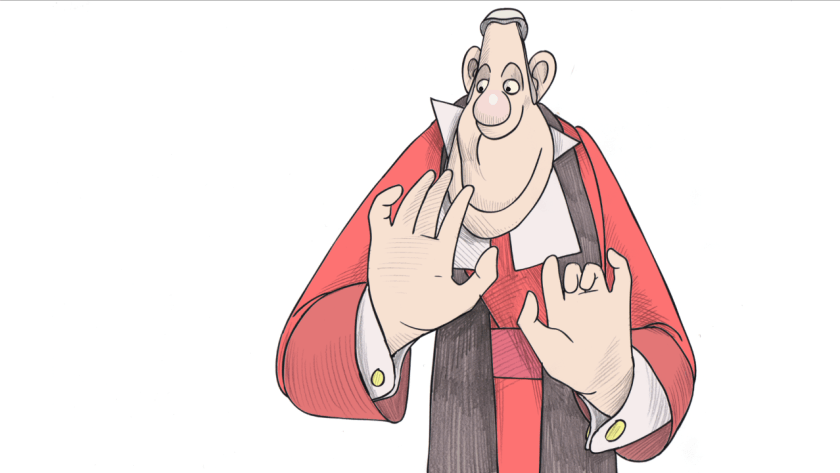
Here is a post on progress on the Judge’s song from “Trial by Jury”.

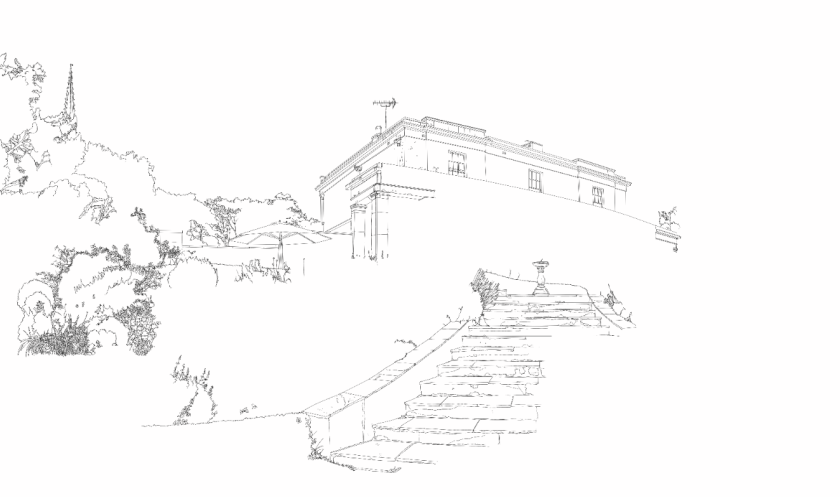
This is a line test of the first verse. The Right arm and some of the body is still missing as well as the earlier frames of the pigtail and the pupils.

The animation was completed on the Harmony/toon boom system though I note the production of the brilliant and recently-screened “Ethel and Ernest” on BBC was done with TV Paint which seems to offer so much more opportunity in terms of textures and usability. Harmony was a wonderful tool when it was run by the Vogelesang family, particularly Lilly and Joan, but they were taken over by Corus entertainment in 2014 or so and it does not seem to have been the same ever since. I have been teaching in a school in Moscow that apparently promotes the software and it was a devil of a job to get it actually to work at all on the school machines. So much for Industry standard! I note the company also acquired Animo, Pegs’n’co and the Cambridge animation system, rival 2d animating software and has not made any effort to update any of these since, effectively smashing the opposition and leaving precious little choice.

Here is an earlier version:

judge-decree1

judge-decree-2

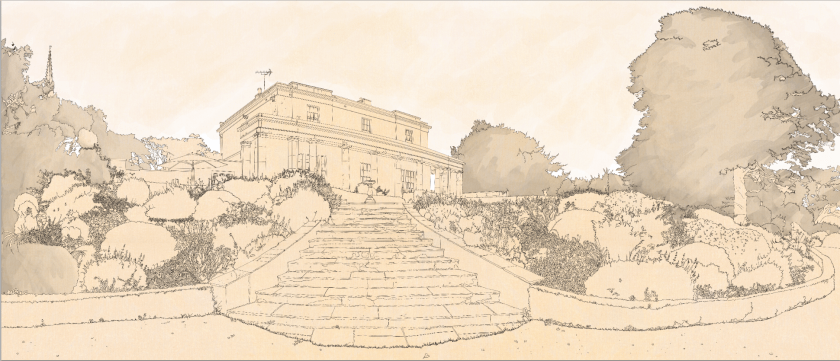
This is the finished “look”-

Screen shot 2016-12-31 at 13.54.36.png

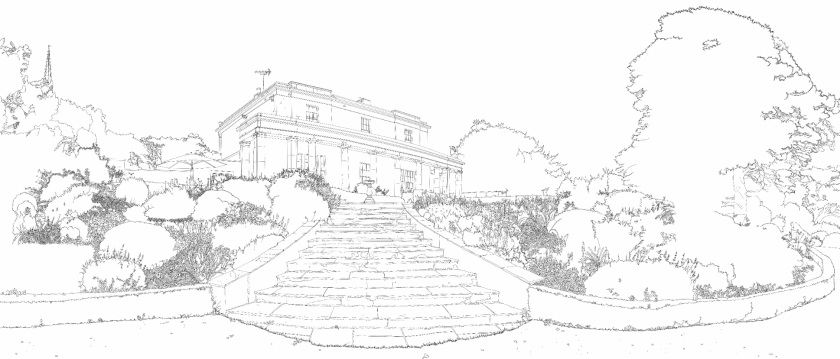
First combined image of background and character…

judge-a-print-first-version

Some history work

Just been working on a project for the BBC. The title is being revised so meanwhile here is a bit of work which is not being used in the project but I think is rather fun. This is the story of the crowning of Queen Victoria as Empress of India, as imagined in the style of a comic strip…the-raj-colour

Some Pictures


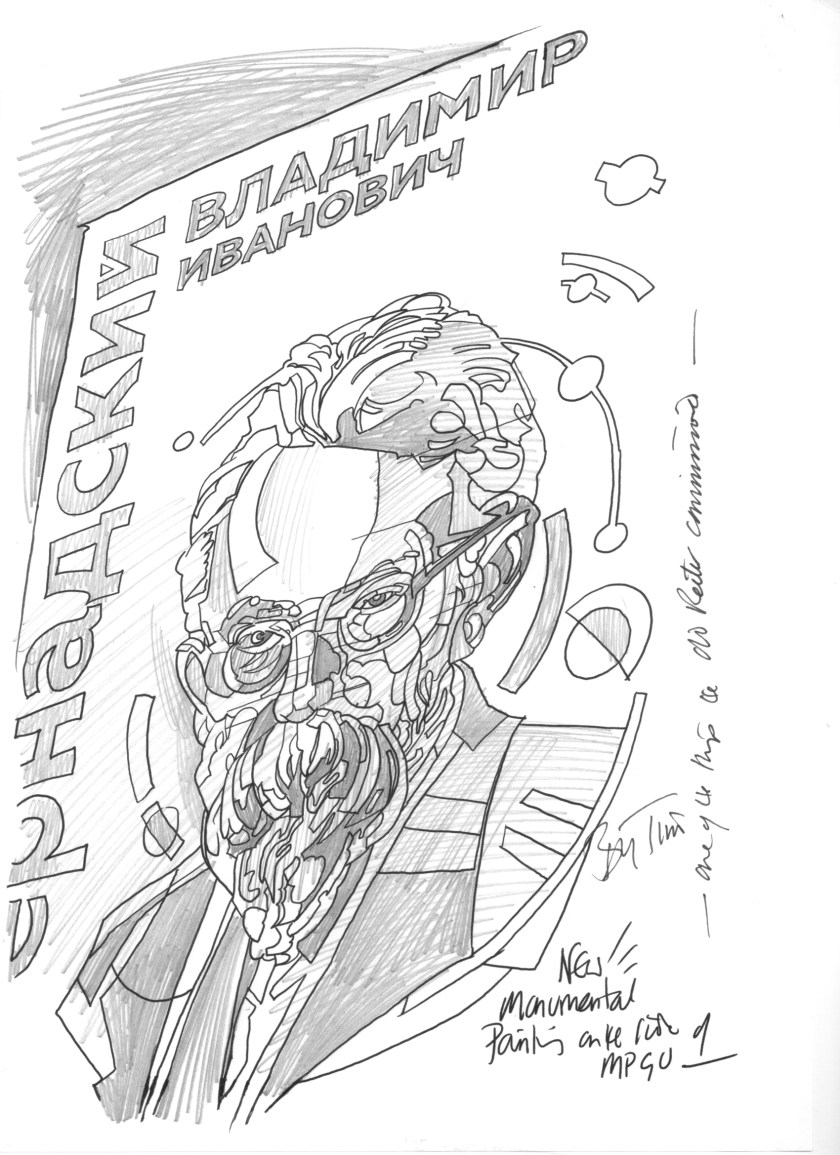
I have been developing some images of philosophers for the University in Moscow. Here are some-

The plan is to make them appear to be drawn in real time on film… I will be teaching this trick in the next month. Above, Rousseau, Maslow, carl rogers, Freud, Guerrier (who founded the university), piaget, and Commenius (who established the principle and discipline of “mathetics”, the science of “learning” as opposed to “didactics” the science of teaching). Below, John Locke-Screen shot 2016-08-31 at 19.37.25

And below are drawings from the statues outside the National Library on Panepistimiou street in Athens. I have added copies of older busts (Socrates- mid 2nd Century from the Vatican and Plato mid 4th Century after Silanion also from the Vatican) by  but the statues were designed in 19th Century by Leonidas Drosis (died in Naples in 1882), though manufactured for him by an Italian company called Picarellis.

The final assemblage would look something like this- which accompanied my talk in Ratcliffe a few months’ ago.


and from an earlier post


The leadership look

the artist's model

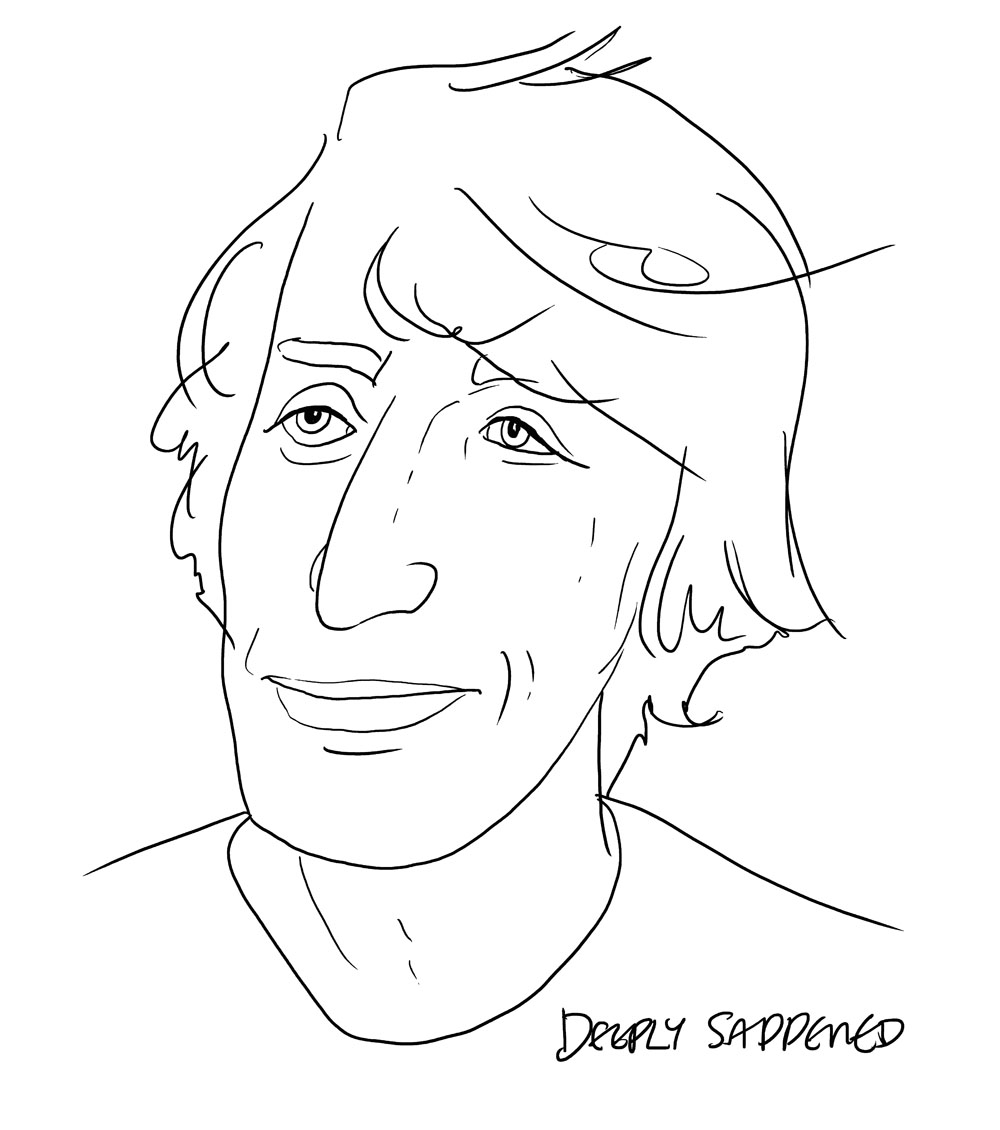
Now the Conservative Leadership campaign is to be fought between two women, there seems to be competition to look as much like Mrs Thatcher as possible. Last night, Theresa May and Andrea Leadsom both gave interviews and I did a quick drawing of each. This is the result, but look how much they resemble the Lady herself! I think Mrs May has the edge.
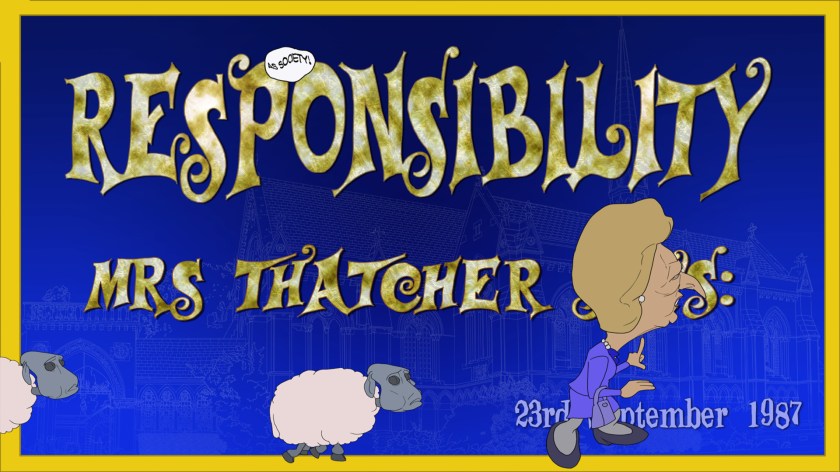
thatcher

Here is a scene from my film, “How to be Boss” where I am quoting Mrs T’s famous dictum made to Women’s Own in 1988: “There is no such thing as society. There are individual men and women and there are families. And no government can do anything except through people, and people must look after themselves first. It is our duty to look after ourselves and then, also, to look after our neighbours.”

Here are the individual pictures-

I have drawn Theresa May before here- 
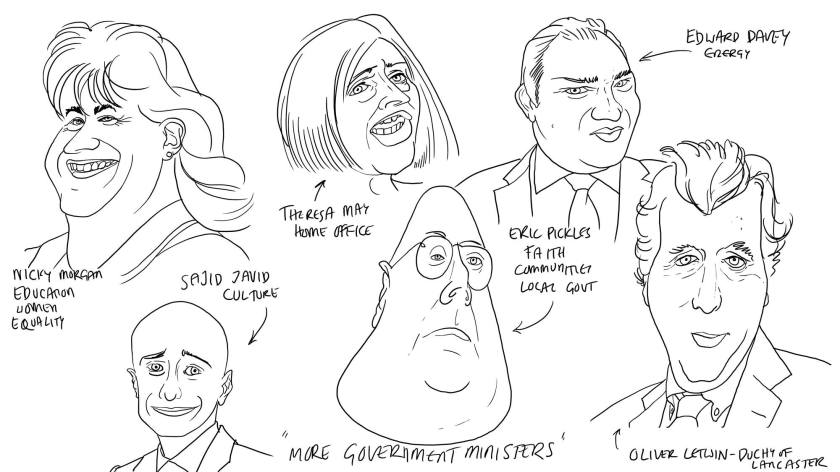
government ministers

and Andrea Leadsom here

and here

gay marriage


I scribbled this for a Turkish paper:

Just a note about Boris:

Johnson, the charismatic former mayor of London, dropped out of the Conservative leadership election after his fellow “Leave” campaigner, Michael Gove, said he was not fit for office. In fact, I understand that Boris was stabbed in the back by his own manager, the MP for Stamford, Nick Boles, another Oxford man. I had been in touch with Nick Boles, indeed, a few weeks ago about an educational project, and I got the impression then that he had not been actively involved in the Referendum campaign. I was right. He was probably busy plotting political assassination. The day before he resigned, Boris had been besieged by telephone calls and texts and Nick apparently suggested he took away the mobile phone which Boris, trusting animal as he is, gave to him. In his possession, Boles had the power to send a number of deeply foolish messages in Boris’s name, one indeed to Angela Leadsom which Boris knew nothing about. This is what led to his decision to withdraw. The lesson is very simple: never lend anyone your mobile phone!

For weeks, Gove and Johnson looked like great friends, but it is now clear that although Michael Gove was underhand, is openly disliked and arguably dishonest,  in fact, the groundwork for Gove’s brutality was actually laid by Boles who was a much closer friend. It is still not clear whether Boles’ telephone antics were stupidity or malice but they provided enough ammunition for Gove. The chaotic mess that surrounds Boris’s departure, however, does not lessen his achievement which has been spectacular. So, on Friday night, Boris made his own oblique reference to the Boles/Gove assassination when he spoke with some detachment about his success as Mayor in London bringing down crime levels- though he added, he had not quite dealt with “knife crime” in Westminster. Only a man as schooled as Boris in classical allusions could have got away with such a reference. Not only was Boris stabbed in the back, but it was done by one of his closest university friends.

nick Boles pix

in contrast to Deputy Prime Minister Nurettin Canikli’s twitter comments that Brexit would fragment the EU and that “Britain was the first to abandon ship,” Brexit may well heal Europe and at the same time, help Turkey’s EU bid. After dragging its feet for months, I expect the EU to finally pay up the cash promised on 18th March and also grant the visa-free access promised in return for discouraging irregular migration across the Aegean sea. Already, a week after BREXIT, the EU has opened a new chapter in Turkey’s accession talks, entitled “financial and Budgetary provisions”. The EU will be looking to replace Britain with another weighty nation and Turkey is a prime candidate. The “Christianity” claim is rubbished by the accession of Bosnia and the planned accession of Albania so the key objections to Turkish accession are fading.
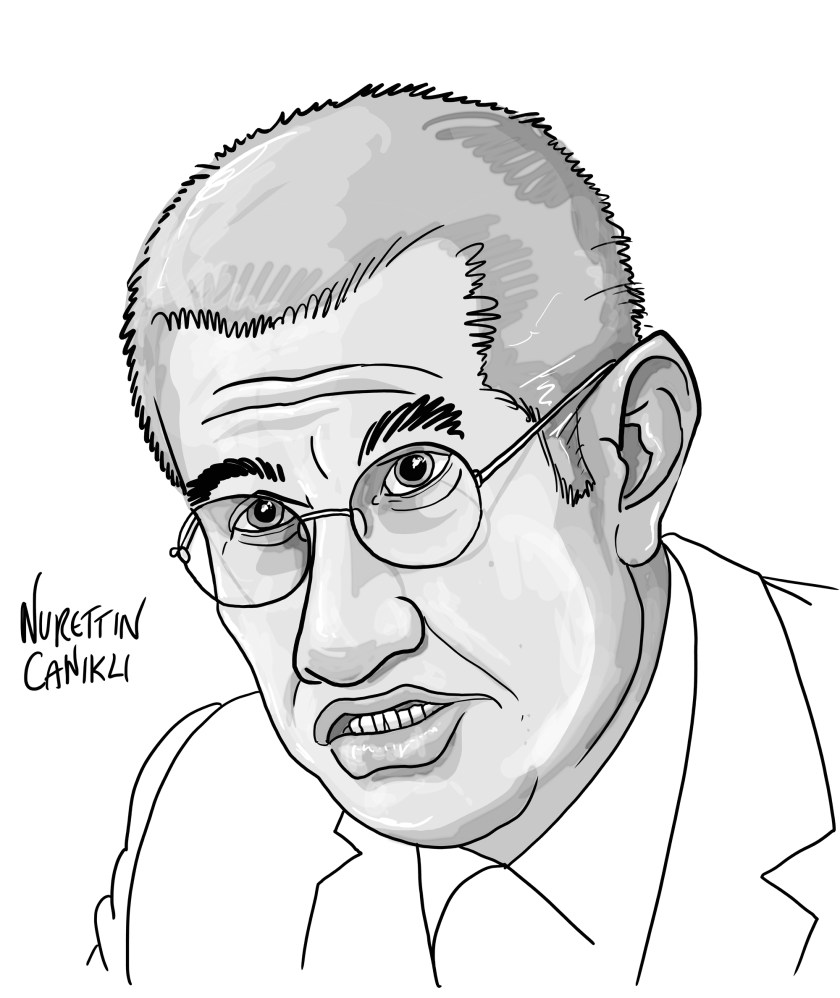
nurettin Canikli

We now face an exciting time as two women contend for the Premiership, and  I hope as Andrea Leadsom adjusts to being in the media spotlight, there will be a real discussion about the way forward. I am personally very proud that we, as a Nation have put forward two women, without any attempt at an “all woman shortlist” or positive discrimination. Andrea and Theresa are there on merit.

In the meantime, as Economy Minister Nihat Zeybekci has urged, we should be cementing our common interests as two countries on the edge of Europe and build up our mutual investments and trade.

Theology of the Icon

The Icon is a major feature in the Orthodox Church. Unlike religious images and statues in Catholicism, however, the Greek Icon has a position in liturgy and doctrine that is cemented by the 7th Ecumenical Council in 787 and which goes beyond the purely decorative and helpful. In this way, however, any Icon, has a position in the liturgy that is paralleled by the Catholic crucifix (with the depiction of the body of Christ) – a Liturgy without Icons is no liturgy just as a Mass  (as stated in the Roman Missal, no 308) celebrated without a Crucifix is regarded as illicit. Of course, both Catholics and Orthodox would wax lyrical about the efficacy of the sacrament with or without the attendant iconography, and both, I hope, would warn against applying the canons too strictly.

The Icon has a bizarre history and seems to defy the ruling in the 10 commandments, “You shall not make for yourself an image in the form of anything in heaven above or on the earth beneath or in the waters below. You shall not bow down to them or worship them; for I, the Lord your God, am a jealous God” (Ex. 20:4-5), but this ruling say the Fathers of the Church is overturned by the fact that The New Testament celebrates God made man and the Invisible Godhead is manifest in the true Icon of his Son, Christ – “Anyone who has seen me has seen the Father”.

timothy-.jpg

The first sunday of Lent in the Orthodox calendar celebrates the Triumph of Orthodoxy. St John Damascene demonstrated that the Icon was the celebration of the Theosis, the divinization of humanity and the Icons in the church act as windows through which the heavenly Church is brought into direct contact with the Church on earth. “The icon” says Archimandrite Zenon, “does not represent anything, it rather reveals something.” St John says the Icon particularly represents what Orthodoxy is about: “If one of the heathens comes to you saying: show me your faith… you will take him to church and put him before all kinds of holy images.” The veneration of Icons is simply a greeting made by the worldly Church with the Church in Heaven and in the words of St Basil the Great, “the honour paid to the image passes on to the prototype”. Outside the Church and the liturgy, the Icon, always an image of great beauty and often valuable in its own right, is in danger of losing its theological meaning and of course it could degenerate, simply, into a form of Ecclesiastical comic strip. (much of what I am writing about the care of religious art could equally apply to the Tibetan Thangka Paintings and frankly could be adapted to the care of the Torah scrolls and the Koran)

baptist icon.jpg

For the Catholic church and many Anglicans, Religious art is a Gospel for the illiterate, as defined by Gregory the Great, “Images are used in churches so that the illiterate could at least look at the walls to read what they are unable to read in books.” and Damascene goes along with this understanding, “The image is a memorial, just what words are to a listening ear. What a book is to the literate, an image is to the illiterate. The image speaks to sight as words to hearing; through the mind we enter into union with it” :he is joined by Theodore the Studite and the canons of the 7th Ecumenical council in identifying the Icon as a form of teaching: “What a word communicates through hearing is what art shows silently through an image”.

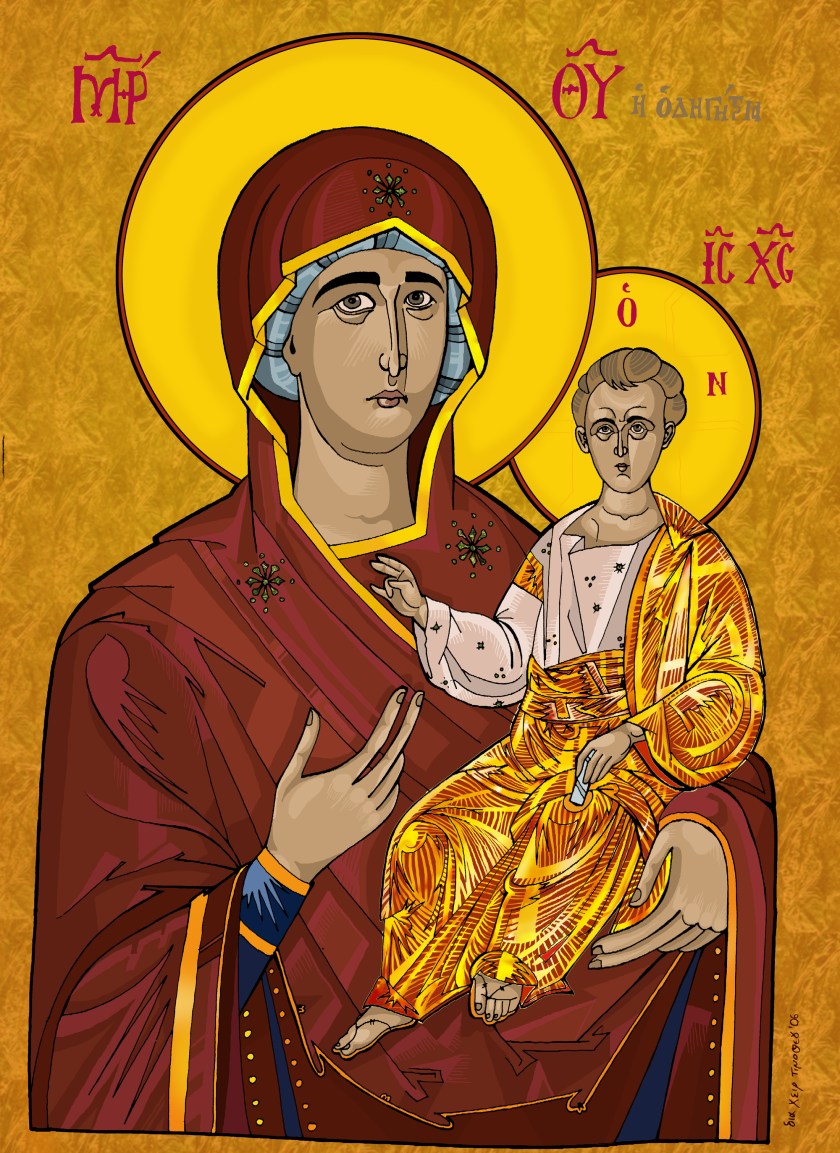
St John of Damascus goes a bit further and turns the 2nd commandment round, “It is obvious that at that time [before Christ] you could not make an image of the invisible God, but when you see the Formless One become man for your sake, then you will make images of Him in His human form. When you contemplate God becoming man, then you can depict Him clothed in human form. When the invisible One becomes visible to us, you may then draw His likeness…Paint everything with words and colours both in books and on boards”. In other words, the Icon becomes the way to demonstrate the revelation of the New Testament and the Icon represents a person in a transfigured state.

virgin 2 2003c

There are many conventions- only those not venerated, for instance are depicted in profile, the idea of inverted perspective and the light of Mount Tabor, the fact that the Virgin is always pointing to her son, and so on. I have a bit of an issue with one aspect of icongraphy that seems to be gaining ground- there is a tendency to talk about “writing” rather than “painting” an Icon. I think this is a bit precious and as far as I can see, the two words in Greek and Russian, γράφειν and писать, are both ambiguous and can mean both “write” and “paint”, (the russian word is more likely to mean “paint” as a technical term and tends only to be used in the sense of “write” in modern Russian but, if the stress is misplaced, it can also have a slightly more vulgar meaning  redolent of the astonishingly crass Councillor- now thankfully suspended, Dominic Peacock)

dominic Peacock

We should use English in a more direct way. But in a noisy world, the Icon remains a silent testament to a different kind of life. That must be valuable whether we have a belief or not. A celebration of the beautiful.


The Bacchae

Many years ago, on the slopes of a mountain range overlooking Sparta, I wrote a musical version of the Greek play “The Bacchae” by Euripides. Here are a few choice lines!

dionysosdis

Chorus:

Feet flood past

We dance the Asian dervish

Never last to praise the fruit we service!

Fruit we seize to squeeze into wine.

Mine, an idle idyl passing the time.


The night is brighter

For the fighter downs the sword

To down a jug of wine

And praise the Bacchic lord

Come, join the praises

Of the legend of the ages –

Dionysos.


Pentheus:

Why have you come here

You insolent man in a dress?

Too freely festive, your hair in a mess.


If there is a message from this play, it must surely be that the gods are greater than we are, and laugh at them or love them, we should still be respectful of them. Isn’t that how we should treat the media?


the owl and the pussycat/ the refugee crisis

owl and cat japanese

This is my image in response to Toshiko Hasumi’s manga outrage. The text reads: “Asylum* needed”

after 366 days in a boat

You don’t have to be cute to need help

Refugees are not the enemy- they are in need

They did not choose to be victims- of war, of prejudice, of abuse.

The original picture of Judi in a Lebanese refugee camp was taken by Jonathan Hyams. I have drawn a quick picture of him here:

Jonathan-Hyams

Asylum is a greek word!! ἄσυλον