
The ‘wiser’ generations, generally speaking, have a keener ear for nonsense. The EU, no doubt, a mushy construct of liberal ideology, bureaucracy, and hubris, must register on their radar with the footprint of some alien mega-spaceship – the stuff of Independence Day. The babbling of the ‘young’ can be dismissed as endearing but deluded naivety. So the grey voters crowded into the voting booths, walking sticks and all.
The tragedy is that now, in the wake of ‘having it their way’, this wiser generation has apparently paused, ‘realized’ its terrible mistake and, equipped with a wandering index finger, on the closest keypad, and in half an hour, has found an ‘online petition’ and signed it. Today, that petition is upwards of 3 million votes.
The most irresponsible part of this process is the lack of conviction.
Meanwhile, the lacklustre response that we have had from the EU means that they are still bureaucratic. The fact is that Juncker hasn’t yet resigned and that Merkel is still throwing her weight around as if nothing had happened, while Hollande and Tusk wallow in repeating useless platitudes; and instead of begging the UK to sit at the table and discuss reasonable demands, these lords of Europe remain as supercilious and hubristic as ever. The fact that they claim to have looked at all options, mock Cameron for failing to prepare for Brexit, and yet have no contingency plans in place and that they insist on walking blindfolded to a political crisis of epic proportions means that they are as liberal and self-obsessed as they have ever been.
But the EU’s moves are being carefully watched by those young economists and young social commentators who voted stay, but who are now starting to think they might have voted the wrong way.
Those working for the markets wonder, what country will follow Britain’s exit. Greece? Portugal? Italy? Will we see the partitioning of Spain with the Catalonian vote only 3 weeks away? How will the EU negotiate further fiscal consolidation between the Eurozone members, when each member can now play the Exit card?

Those with more of a cynical edge who write blogs wonder- how will a divided EU stand up to Russian aggression and export its principles of democracy beyond Europe? Can Europe really afford or allow the break-up of the United Kingdom? What happens to the UK’s seat as a permanent member of the UN Security Council? Should the UK’s permanent membership, in any case, or in the near future, be substituted for England and would Scotland, independently have its own claim?
There is, of course, the matter of greed: France and Germany, jealousy watched London become the financial capital of the World and profit from the riches that came with it. The French sacrificed their national pride to keep Paris beautiful, unharmed by German planes – so why aren’t American Investment banks flocking to Paris or to Frankfurt for their European headquarters? The answer is that investment bankers too have a keen sense for nonsense.
The UK will undoubtedly face economic consequences. It is widely expected that asset prices will fall, starting with house prices. The housing market has received two shocks this year, firstly, when Osborne (welcomingly) increased stamp-duty for second-time buyers, which so far has led to a 5% downward correction in house prices and secondly, with the Brexit vote. Real Estate Funds like JJL and CBRE have already started postponing their planned UK investments. CBRE only invested £180 this year, compared to £650 in 2013. Many leading investors are predicting a correction averaging 10% in the commercial real estate sector, particularly in London.
The DAX, CAC and FTSE, which are all very good indicators of economic expectations, have dropped to 2011 prices. The pound and Euro are both taking a beating against the dollar and other currencies, while bonds yields have dropped to record lows; which together with an appreciation in the price of gold, indicate investment is drying up.
It is perhaps too early to tell how the general economy will react, but a correction downwards in GDP figures is widely expected. The low exchange rates might improve exports, but that is expected to more than be countered by the fall in investment and consumption.
However, this isn’t all bad news. The fall in asset prices will provide much-needed relief to some social anxiety. Housing might, in this way, become cheaper for first-time buyers. Wages in the lower thresholds will probably increase as unskilled European labour goes home. The NHS will have fewer patients and doctors may have an easier time working, maybe only 10 hours a day. Parents will scarcely have to worry about getting places in schools.
The real losers might still be the EU. The money that was flowing out of depressed continental assets and into the UK, won’t stop flowing out. Switzerland and Norway will probably have their hands full in the near future. The hostility to investors remains a core principle of French liberalism (thus the EU); simply ask Emmanuel Macron.
Greece remains a troubled asset, (property of the German state – before Tsipras came along, whoever knew you could actually buy a country?) and fiscal unity seems to claim exponentially more of Draghi’s seemingly infinite life-line. The EU may just survive Brexit and is determined to do so; it may even survive another shock like Brexit (should we call that Catalonia?), but it won’t be able to avoid a third shock.

Nothing is written in stone. The will of ‘the people’ might change and a second referendum, whether Blair proposes it or not, may become a political necessity given the weight of the UK in the global political arena. However, rather than turn around and backtrack, we should be further convinced that the outcome of the referendum was the right one. If the EU buries it’s multi-headed self in the sand and refuses to acknowledge that we didn’t leave on a whim, let the olds have it; the olds have it.
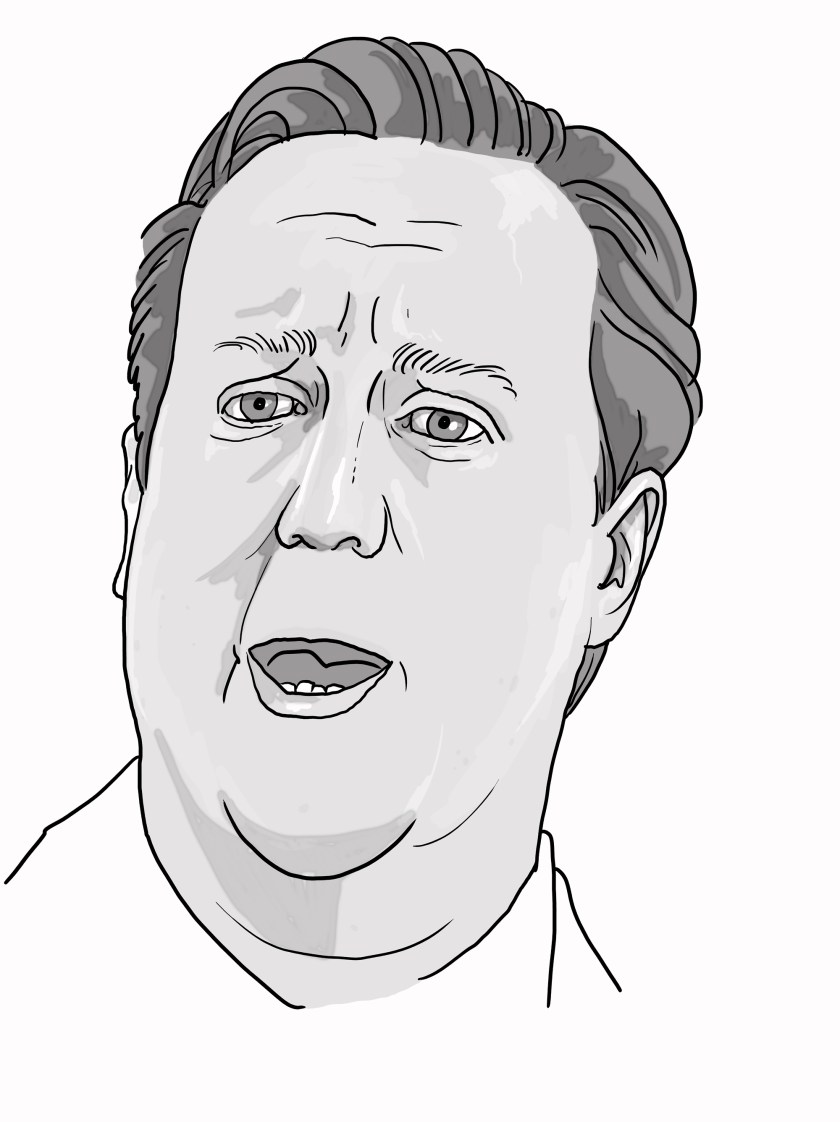 Not a triumphal end to Cameron’s tenure sadly, but there are many things we can be proud of- not least the fastest growing Western Economy and his social vision which saw Gay marriage pushed through despite the whinging of many backbench MPs in the party who saw fit to misquote scripture (see my previous blog on this!). Against the odds, Cameron won the last election and secured Scotland in the UK. Triumphal! It now falls to someone else, maybe, and I hope, Boris, to patch up the problems left behind. A great man who has achieved great things leaves behind a problem that is perhaps even bigger than any of his successes.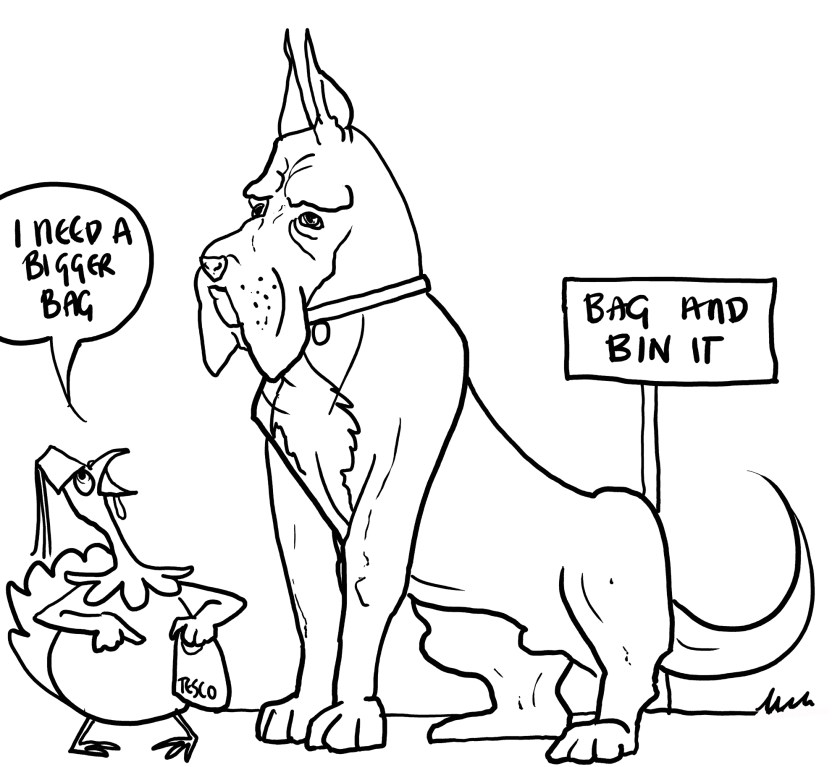


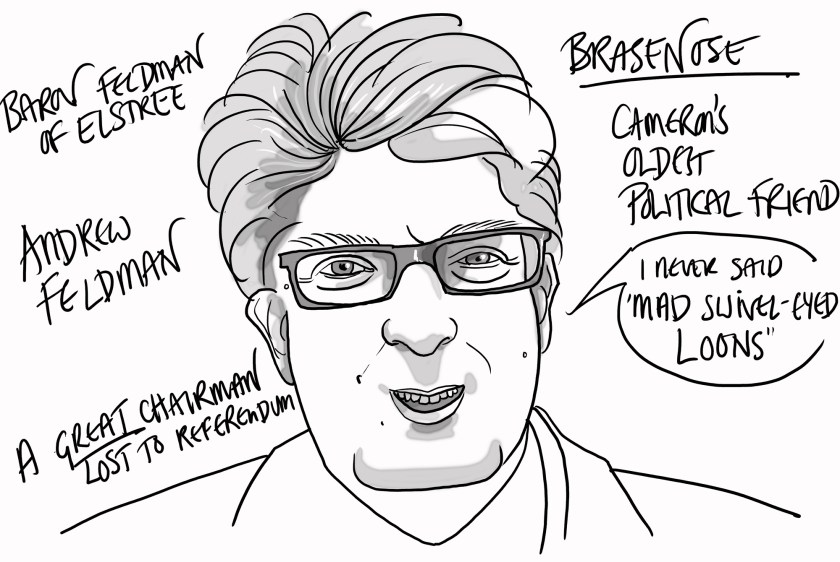

 animate-tim.com