soviet memorial

treptower 1

I had asked Nick Jenkins what I should draw in Berlin and he suggested Treptower park. I had no idea what he was talking about and what I found there was quite stunning. A perfect piece of Soviet art  designed to an overall scheme by Yakov Belopolsky and one of the most tranquil of all memorials I have ever visited. Here is a page of sketches and more will follow when I get the scanner to perform correctly. It commemorates the many soviet soldiers who died in the battle of Berlin. The main focus of the monument is a 12 metre tall sculpture by Yeygeny Vuchetich (top right) and what I called a “station” at bottom right after the “14 Stations of the cross” in Catholic Churches is actually one of 16 “sarcophogi”, each one inscribed in either German or Russian with words of Stalin and showing military scenes. There are no bodies in the sarcophagi but 5000 bodies buried somewhere around the monument. The soldier on the top left is kneeling next to a granite soviet flag and the figure at the bottom left of the page is the motherland weeping for her fallen soldiers.

Putin has been to the memorial and laid a wreath here.

Three little maids and the police

policeman and geisha2

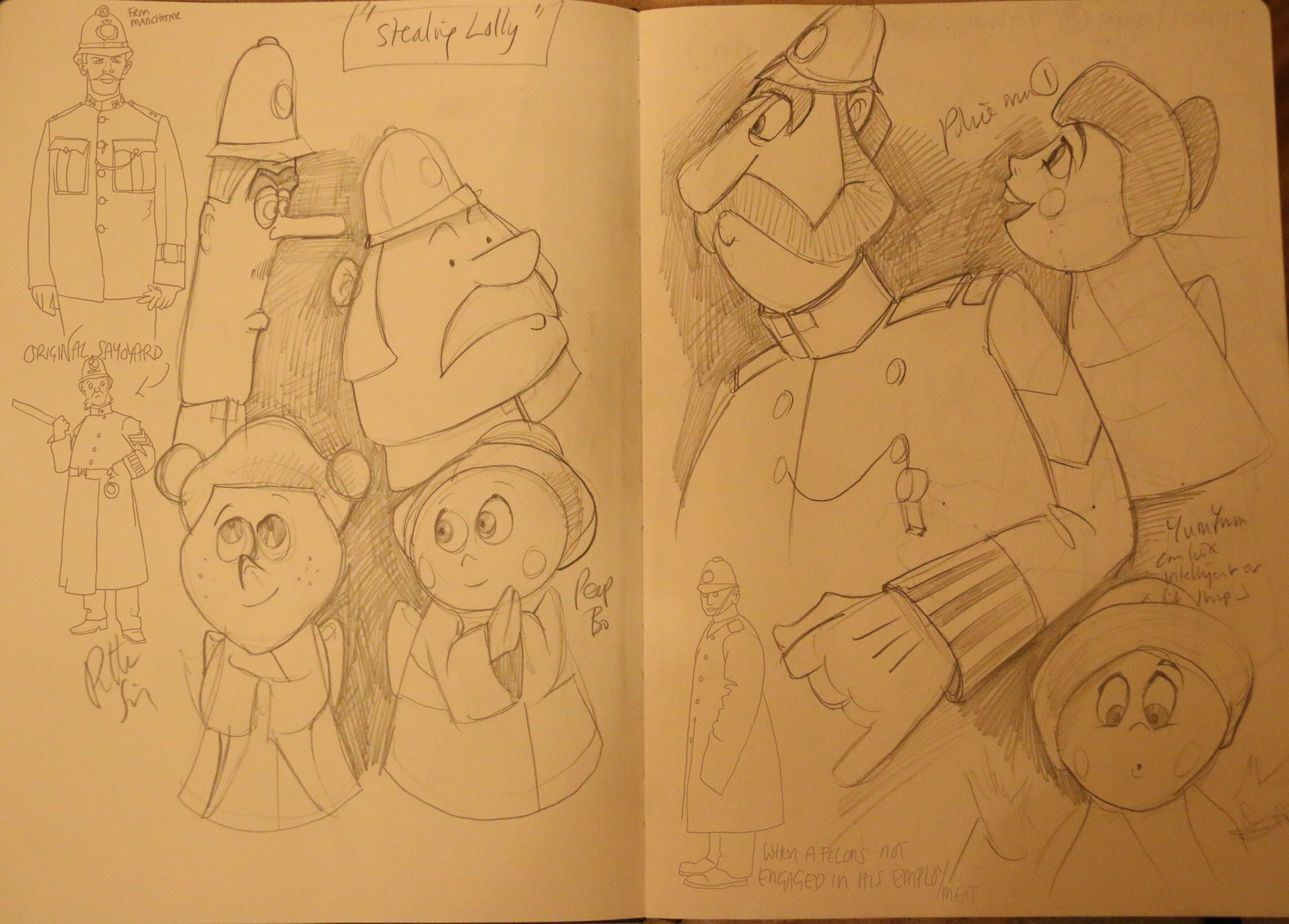
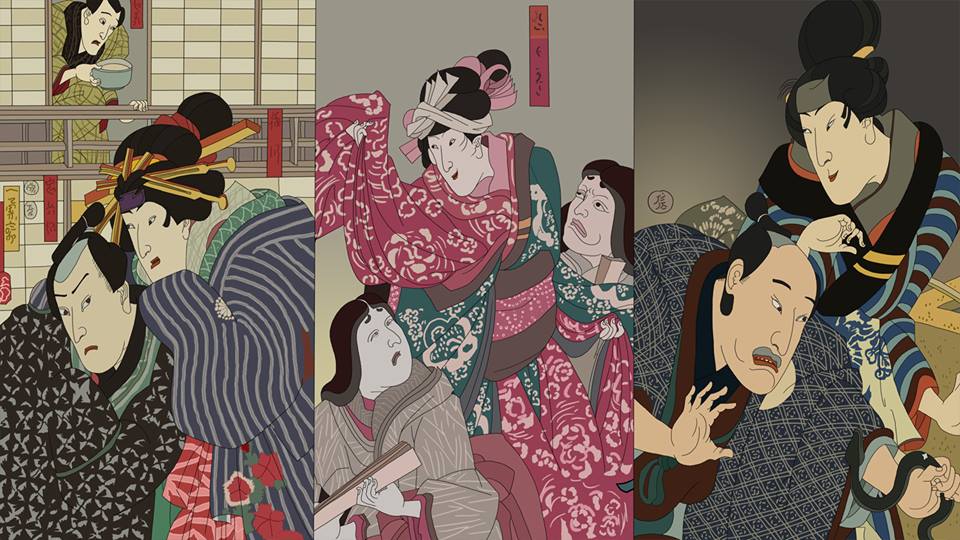
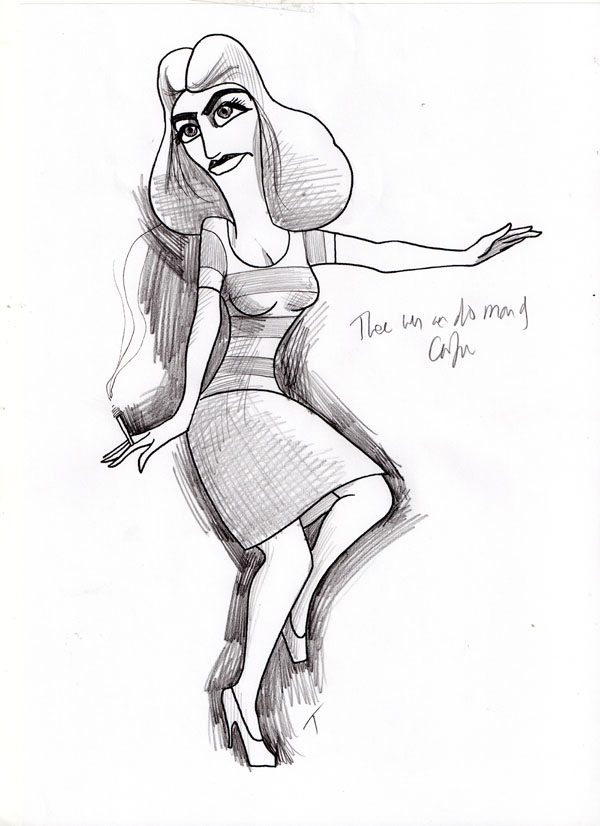
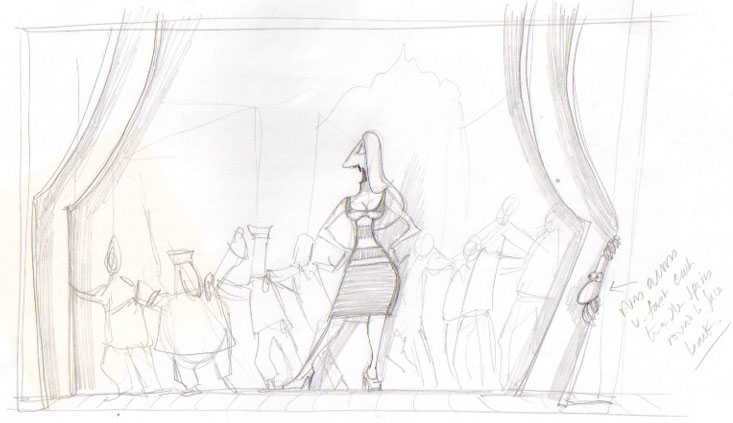
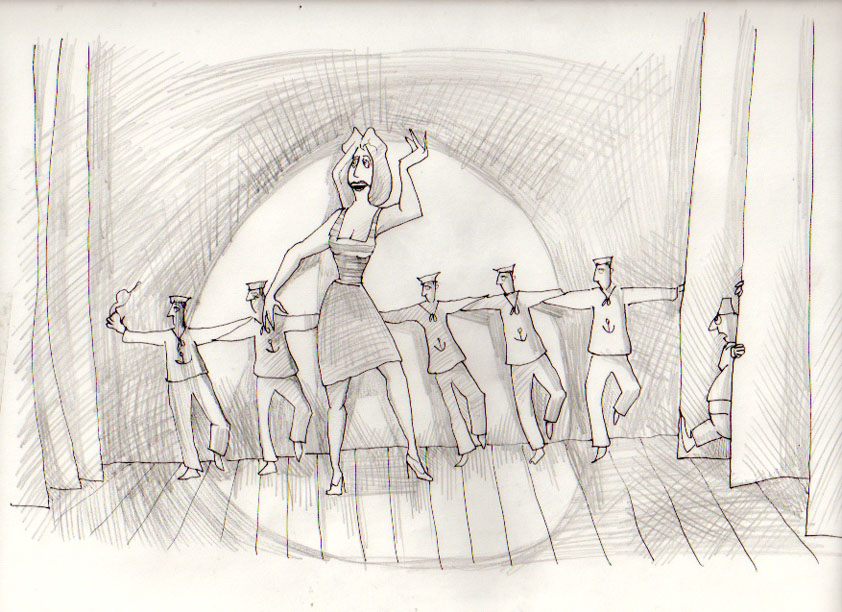
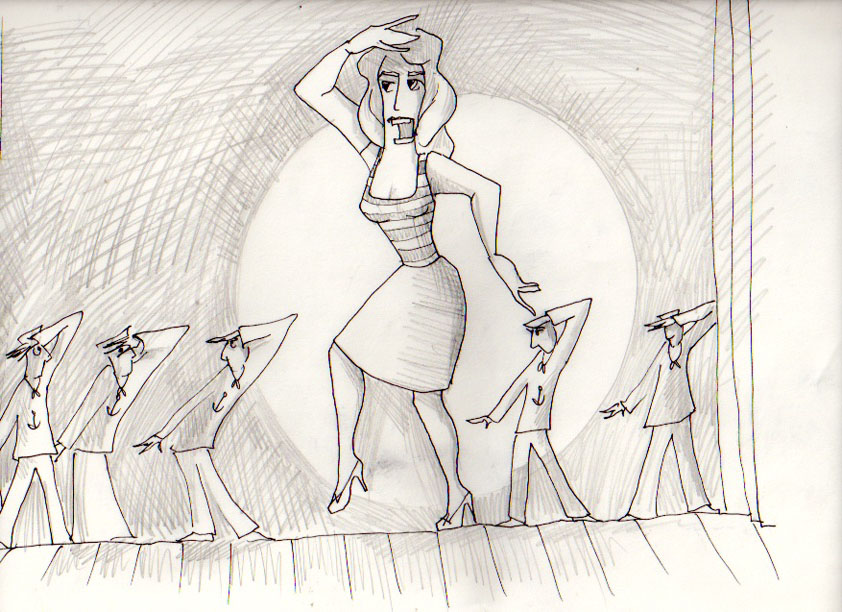
When I listened to David Watson’s arrangement, it made so much sense that the three little girls were shoplifting or something. We have added some policemen though they are much closer to the Keystone cops than Gilbert’s Penzance brigade.

Here are two pages from the sketchbook with some additional drawings…

necati and coa


2447a


vodafone

Jerome Hoencamp Vodafone UK

What a ghastly organisation vodafone is! It is the 2nd largest mobile phone provider in the world with nearly 20 million customers. Can they all be dissatisfied? I have caught them out lying twice now and in the process of trying to cancel my account, they have produced all manner of evasion and bureaucratic subterfuge. At some later stage I will write about the story in detail I think, but for now, here is a picture of their venerable CEO, a man called Jerome Hoencamp, a man imported from Holland via Ireland to run the British Branch of Vodafone. Their slogan is “Power to you”. Somehow, I fancy they do not like to part with the power they already possess so the slogan remains exactly that- a slogan and something divorced from reality.

angels

angels1

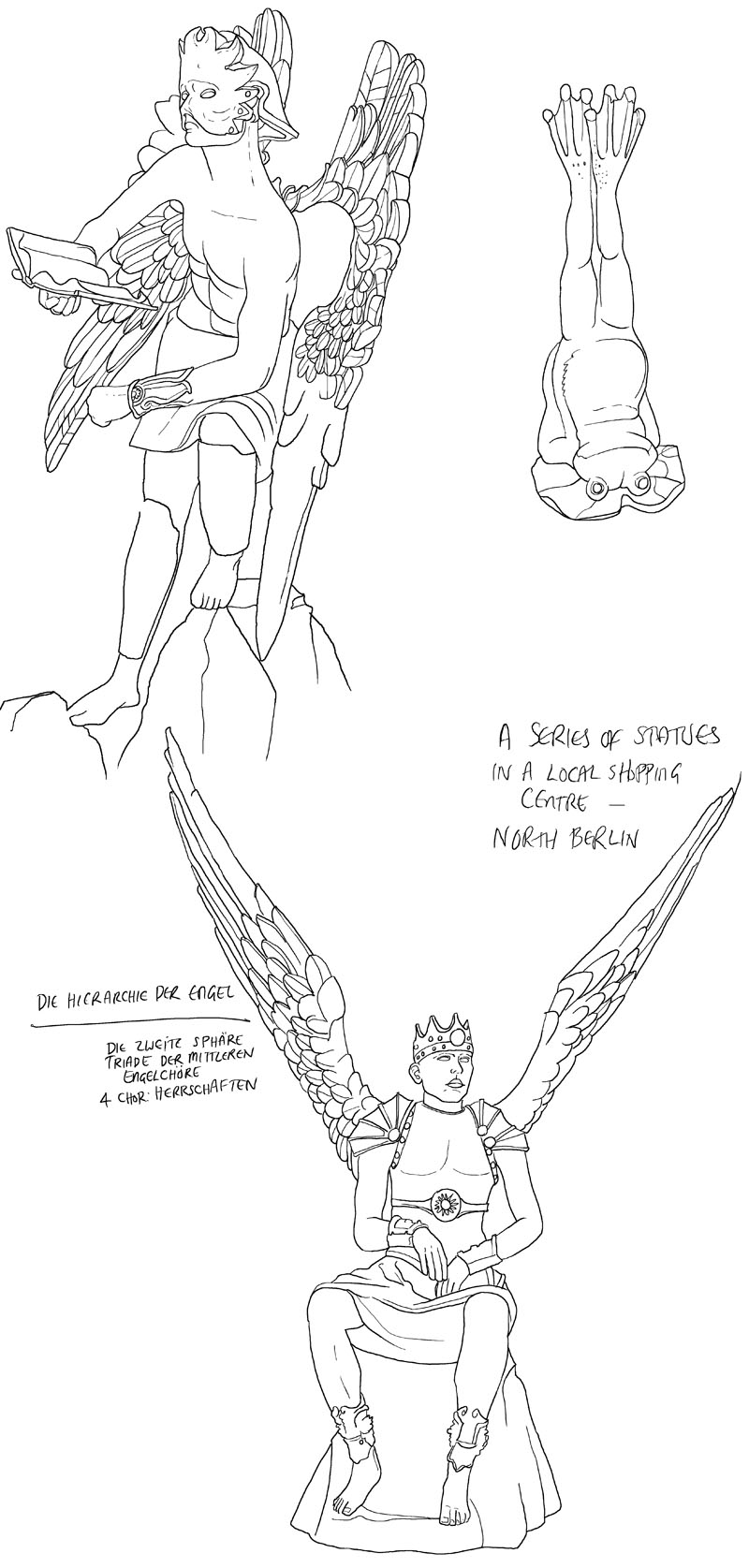
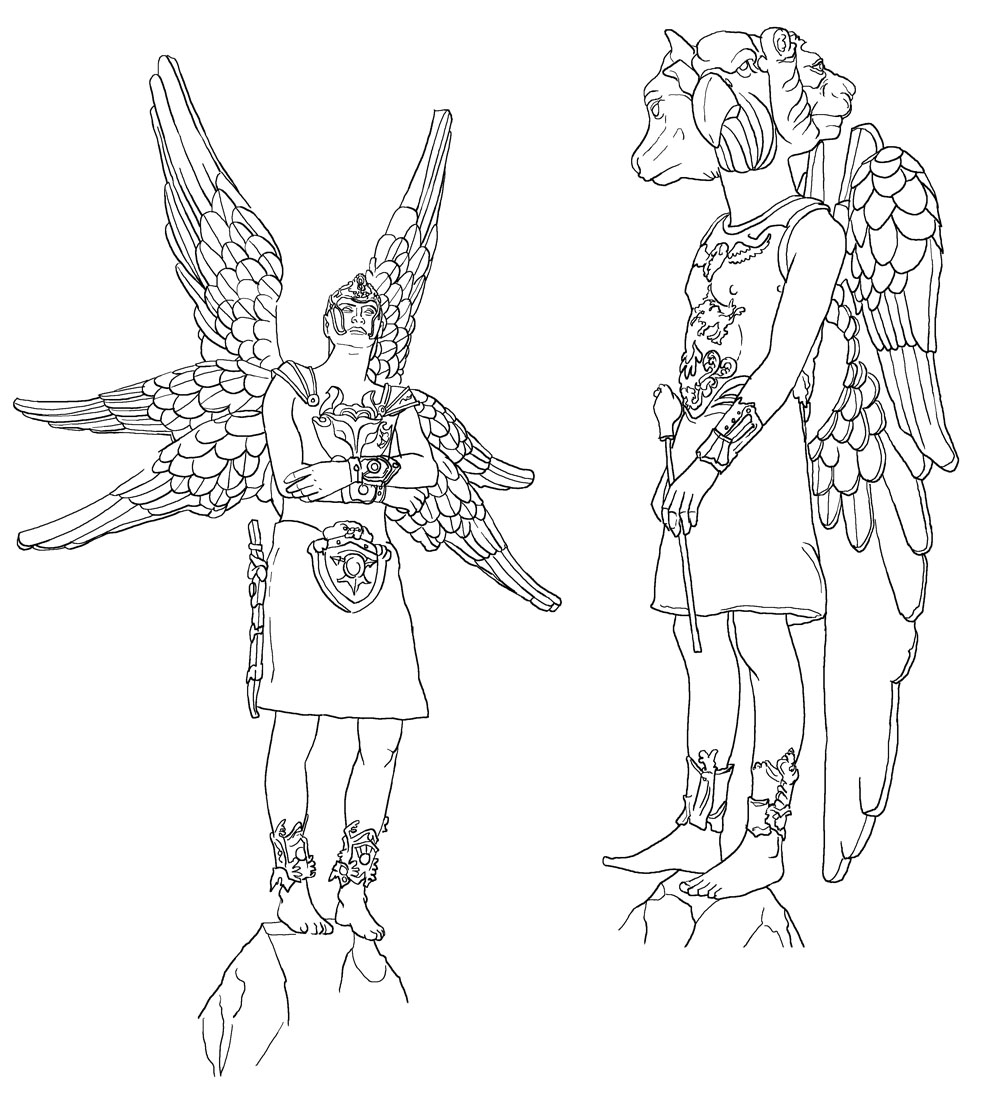
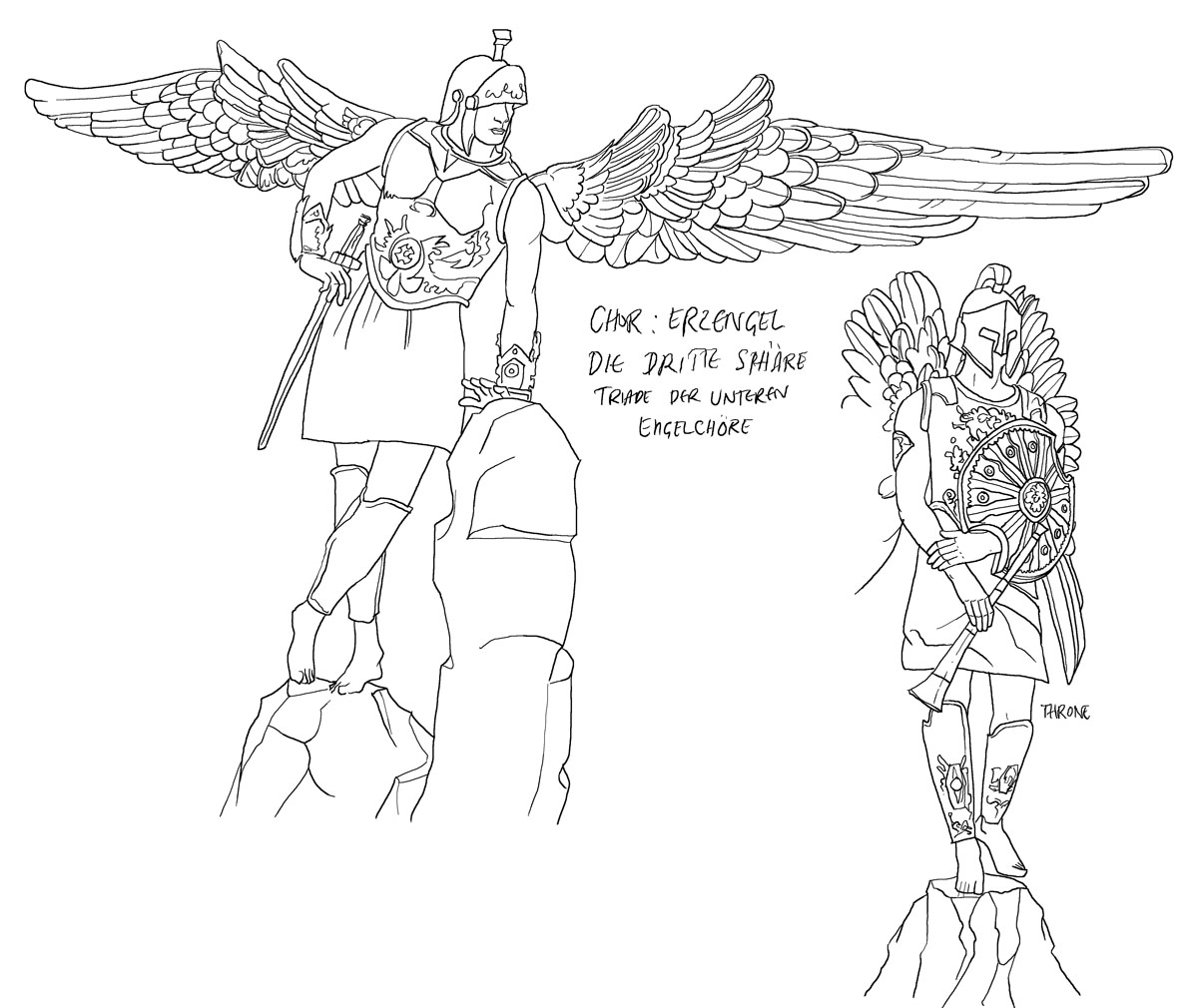
in a slightly obscure shopping centre in the North of Berlin, there is an exhibition of sculpture. The images are all angels and they are quite striking. I did some drawings, (apologies for the frog: it was in the window of a shop selling spectacles) but it also made me think about the subject of “angels” itself. The “hierarchy of angels” is quite confusing and the angelic image -a man with wings, appears in a variety of religions. It can be found for instance in Thangka paintings in Tibetan buddhism and may or may not relate to links between early Buddhism in Tibet and also an exiled gnostic sect that is supposed to have taken its icons with it across the Himalayas.

The subject is called “Angelology”. Zoroastrianism, perhaps the earliest religion to deal with angelic forms, calls spiritual entities taking messages”yatazata”. In mystical Judaism, there are ten levels of angels and Pseudo-Dionysios, ranks them in “Choirs”(the collective noun for many angels would be “choir”, then) in a Christian text “On the Celestial hierarchy”. Aquinas ranks them in 3 spheres. Islam puts them in 14 groups. In all systems, there are lesser angels and arch-angels. Orthodoxy thinks of 9 orders of angels.

In the system I am listing, I have excluded the Niphilim הנפילים, sometimes called Giants or the Sons of God, בְּנֵי הָֽאֱלֹהִים particularly in Job, 1:6 and 2:1, where the term refers to specifically to angels. The term “Nephilim” itself is used three times in the Bible, in Gen 6:4 – in the LXX translated as “the angels of God”,’οι αγγελοι του θεου, and Numbers 13:33. A similar word is used in Ezekiel to refer to the dead Philistines. The dead sea scrolls make it clear that the Nephilim were engaged in some sort of sex act with humans. It was the second time the angels fell from grace.

The Christian system looks like this:

Sphere 1:

seraphim שְׂרָפִים or σεραφείμ (after Isaiah 6: 1-7 who surround the throne of God and have 6 wings). These are the “burning ones, maybe originally pictured as snakes, δράκονες. In some literature, the throne of God is protected by heavenly serpents, the phoenix and the bronze hydra, the Chalkydri, the elements of the sun. In the Nag Hammadi texts, the Seraphim are seen as dragons. It makes alot of Chinese mythology accessible, doesn’t it!

cherubim כְּרוּבִים (with 4 faces: ox, lion, man and eagle following the images of the 4 evangelists. They have a lion’s body with ox feet and 4 wings, Gen 3:24, Rev 4:6-8); this is the strange fellow illustrated below!

Thrones θρόνοι or Opanim (generally pictured in icons as wheels). They are linked to the chariot that takes Elijah to Heaven and referenced in Ezekiel 10:7

angels2

Sphere 2:

Dominions or Lords: kyriotetes κυριότητες (or “Hashmallim” led by Zadkiel- this is the 4th part of Maimonides’ Jewish ranking as well as effectively the 4th of the Christian ranking) This is referenced in Ezekiel 1:4 as fiery or “amber” beings. The modern word for electricity in Hebrew is Hashmal (חשמל) which had been used by Pinkus Rutenberg in 1923 to name the fledgling israeli electricity company in Palestine some years before the establishment of the State of Israel; the use of the word for “electricity” is either therefore from Pinkus or from an early Ivrit poet, Judah Lieb Gordon, but the word in Latin “electricus” simply meant “amber-like” as indeed did the word in Greek “ήλεκτρον”.

These angels control the nations of the earth and are visualised as winged humans, the typical angel image. They have orbs of light on the end of sceptres. St Athenagoras says that Angels are “set in command of the elements, the heavens, the world, and all within it” and St Gregory the New Theologian says: “Each of them has received under his control some particular part of the universe, or is attached to some particular thing or person in the world, as is known to Him Who arranges and orders all things, and all work towards one goal, by command of the Builder of all things”

Virtues or dynameis δυνάμεις (strengths) (ephesians 1:21)

Powers or Authorities (potestates or exousiai, ἐξουσίαι) (ephesians 3.10) -control history, the winged warriors (Satan may have been one of these)

angels3

Sphere 3:

Mostly messengers. This is the proper function of an angel and explains why he is depicted with wings like Hermes to carry messages from Heaven to earth. This is why we use the term Άγγελος which simply means “messenger”.

Principalities or rulers (archai ἀρχαὶ) They wear and crown and carry a sceptre. Their role is to carry orders and blessings to the world.

Archangels ἀρχάγγελος or רב־מלאך- the word is used twice in the New Testament: 1 Thess 4:16 and Jude 1:9. There are traditionally 7 archangels who are commemorated together on 8th/21st November in the Orthodox church – the feast of the Synaxis, Σύναξις of angels: Michael and Gabriel get mentioned in the New Testament. Among the other archangels is Raphael (from the book of Tobit) and Uriel, אוּרִיאֵל (from the book of Enoch, 2nd book of Esdras/IV Esdras in the Vulgate and the Testament of Solomon). Traditionally, it is Uriel who rescues John the Baptist and his family from the massacre of the innocents by Herod and sends them to join the Holy family in exile in Egypt. This is the reunion that is shown in Leonardo da Vinci’s painting of “the Virgin of the Rocks” in the Louvre and it is the angel Uriel who is seated on the Right. In Hebrew and Greek thought, he is the angel who inspires poetry and is therefore often depicted with a scroll of parchment and in Milton, he guards the sun.

In the Revelation of Esdras a further five archangels are listed: Gabuthelon, Beburos, Zebuleon, Aker and Arphugitonos. Two issues, however, have affected the naming of archangels in the West. The first was in the council of Rome in 745, when Pope Zachary condemned any “obsession with angels” and tried to clarify the existing system saying that only angels mentioned in the formal canon of scripture should be revered by Christians. The second issue was the appearance and crushing of the Bulgarian heresy, Bogomilism, which flourished in the 11th century and appeared to use the angel Uriel in its services.

Other named angels:

Other named angels that fell out of favour with the West are Suriel, Jehoel, Zagagel, Akatriel, Metatron, Yefefiah, Nathanel, Raguel, Saraqâêl, Remiel and Phanuel who is also often identified as Uriel. Among the fallen angels are Samyaza, Adramelech and Azazel. There is also Azra who became an angel (pressumably Azriel) after finishing his life “without tasting death” (2 Esdras)

It is worth noting that seventh day adventists believe Michael the archangel is also Jesus.

Bringing the list of 9 orders to a close are ordinary Angels (Malakhim or ἄγγελοι) whose role is simply to deliver messages. These may also be the “guardian angels”. St John Chrysostom believed that there may be more orders of Angels- we have simply not been given enough information.

Angels in Islam:

Islam has a less ordered system but the function of the angels is broadly similar. They communicate messages and transmit power from the divine.

Of the named angels in Islam, the most important is Jibril/Jibrail who revealed the Koran to Mohammad. He is mentioned in the Koran (2.97)

Israfil is probably the same as Raphael. His job is to blow the trumpet on the last day (Qiyamah).

Mikail (Michael) is the angel of mercy, responsible for rain and the blessings we receive on earth.

Azrael (ʿIzrāʾīl عزرائيل orعزرایل) is the angel of Death. This is a variant of the Hebrew spelling Azriel who receives the prayers of the faithful when they reach heaven. Azriel figures importantly in Kabbalism (Zohar.2:202b)

Hafaza (the Guardian)

Munkar and Nakir who question the dead

Maalik who guards Jahannam (Hell)

Harut and Marut  (Sura 2: 102) who “tested people in babylon” to see whether they might believe in magic. This is very similar to the story of Jannes and Jambres in II Tim- these were the two magicians in the court of Pharoah rather brilliantly brought to life in the film “The Prince of Egypt” and played by Steve Martin and Martin Short. In the film, they are called Hotep and Huy. there is a link here. It is a stunning sequence:

http://youtu.be/xxyOTFQFWQ0


In the Koran, there are many mentions of angels, and also of some specific groups with specific tasks:

Kiraman Katibin (the recorders)

Jundullah (warrior angels who help Mohammad on the battlefield)

Hamalat al’ Arsh– who carry the Throne of God

Darda’il (the travellers) who search for people who remember God

Zabaniah -19 angels who punish the dead in hell

Finally, there is Iblis or Shaytan is not a fallen angel but one of the jinn


Cartoon opera

yumyum

Gilbert and Sullivan is about as cartoony you can get- though Offenbach comes very close. I think animation probably lends itself to music that has distinctive rhythms and an interesting orchestration. The words seem to me to be less important than what is happening musically. Though of course the words tell the story. When the Disney people were animating “Fantasia”, the better animators trawled the score to identify the incidental tunes that lay under the main melody. There is a sequence in the Chinese dance in the Nutcracker where Art Babbitt has talked about “those nasty little notes underneath”. But Babbitt uses those “nasty little notes”! It is precisely this fact that makes the sequence stick out as something remarkable. Culhane references this in his book on Fantasia. It is worth looking at the dance in detail because the perspective goes all over the place and it still seems logical. In the same way, the instruments used to orchestrate a particular sequence will dictate a particular image.

Eric Goldberg animates on the beat and repeats a rhythm with the Carnival of the animals in FANTASIA 200o and Andreas Deja does it too in the same film with the barrel organ in Rhapsody in Blue. But I think Babbitt’s mushrooms still have the edge precisely because they take note of the intricacies of the orchestration and the repeated visuals (a visual ostinato) are not necessarily based on something obvious…

You can find a link to it here: (the interesting points are at.46 and the bow at the end)

and here is the flamingo scene by Goldberg:

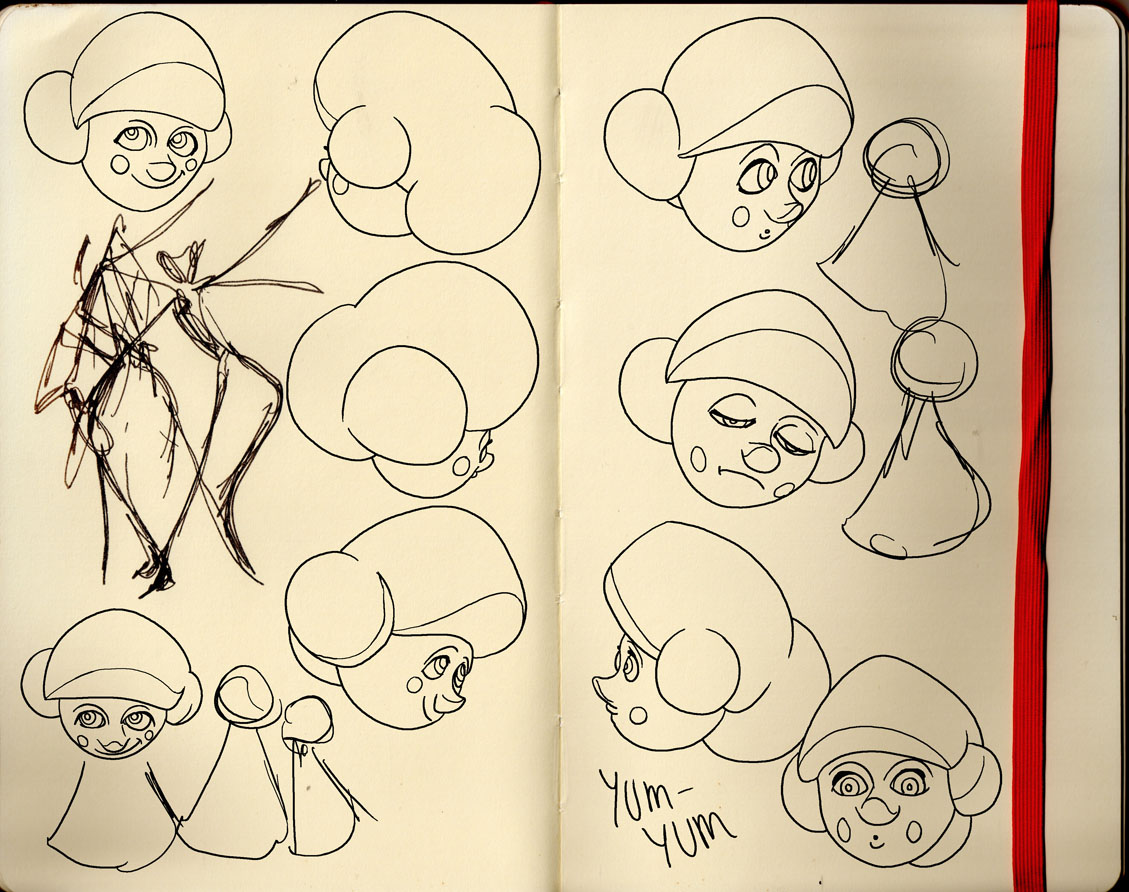
I was playing around with the Three Little Maids from School piece at the beginning of the MIKADO.

This is the text: “Three little maids from school are we,Pert as a schoolgirl well can be,Filled to the brim with girlish glee–Three little maids from school.” David Watson has done a very clever arrangement.

I will post more on this shortly because it is an excellent example of a tune that does a great deal. The three voices (Yum yum, Pitti Sing and Peep Bo) are quite distinctive and the whole thing gallops along at quite a pace. Here are some sketches mostly of Japanese hair-styles…

3 little maids
Below is a page from the notebook on Trial by Jury the storyboards for which move slowly forwards…

trial by jury

http://youtu.be/HQvOh868Fek

Here in order of development: the first thoughts:

and a more restrained version (music arranged by David Watson, Kanon)

interrupt

3a 4 5 6 7 8 1 2

Screen shot 2015-06-10 at 12.15.45

A tribute to Melina Mercouri

melina1

Μελίνα Μερκούρη (amaelia) made her name in the west with “Never on a Sunday” and “Topkapi” but she was also a staunch campaigner against the Greek military Junta in 67-74 ending up as an MP in the Greek Parliament and the PASOK minister for culture. Her statue, or rather her bust, is at the entrance to Plaka, opposite the temple of Zeus in Athens. It is an odd piece of work and I drew it a while ago. I am afraid the notebook is now overwritten with things about Victorian poetry but the statue comes out fairly well.

The “Elgin” Marbles

During her campaign for the return of the Elgin Marbles, all captured on the evening TV news, unfortunately, she began weeping in the wrong part of the British museum and needed to be guided to the Duveen gallery where she wept again with passion to protest at the theft of these great pieces of Greek Art. Elgin acquired the marbles between 1799 and 1805 from the Ottomans who were, at the time, in  overall control. It can be argued that the Ottomans, though legally in possession of Greece, could therefore sell the sculptures to whoever wanted to buy them. However, the moral case is less clear: the Ottomans twice used the Acropolis as a weapons depot and twice saw bits of the monument blown sky-high, once in 1687 and then again during the war of independence when, to stop the Ottomans’ further destruction of the site, and their attempt to take the iron from the columns to melt into bullets, the Greek armies offered to give them ammunition. The whole Acropolis, frankly, was in danger of destruction as the war inched towards the capital and Elgin can be seen as the saviour, rescuing great art from the jaws of bellicose chaos.

Elgin’s plans:

Thomas Bruce, the 7th Lord Elgin planned for the marbles to undergo extensive restoration but the Italian sculptor Antonio Canova refused to do the work. Elgin’s return journey was disastrous. He found himself repeatedly arrested by Napoleon as he tried to get back home. Some of the marbles sank near the Greek island of Cythera on the voyage back to Scotland.  The rest were later bought by the British parliament from Elgin in 1816 and presented to the British Museum under the particular Parliamentary directive of the Local and Personal Acts 56 George III c.99 of 1816.. Other museums with bits of the Acropolis include: The Louvre, Copenhagen National Museum, Wurzburg museum, the Vatican, The Kunsthistorisches Museum in Vienna and the Glyptothek in Munich. The marbles in the British Museum are held under an act of Parliament from 1963  (the British Museum Act) which prevents the museum from permanently loaning any objects that are unique or that are not considered “unfit to be retained and can be disposed of without detriment to the interests of students”. The debate about the sculptures is ongoing and fairly heated, but I think the fact that there are other pieces elsewhere weakens the British claim to be housing the marbles in a way that guarantees access and comparison with other works. While other museums retain pieces, though, the argument by Athens for repatriation is also weakened. A loan would be reasonable, but I think the intensity of feeling about repatriation means that it would never be a temporary loan and so would be illegal under the terms of the 1963 act. The Elgin collection is more than just the Parthenon marbles- there is a large scarab beetle from Istanbul and some Egyptian stuff as well as some bronze tableware and jewellery. Duveen was an antique dealer involved in a dispute about “La Bella Ferronniere” and a number of fakes in his collection. The Duveen Gallery was designed by the american architect John Russell Pope. Much of Duveen’s work was about selling fine art to America and his trade forms the core of the great American Museums’ various art collections.

It is very unclear why Elgin was granted the firman that allowed him to take the marbles in the first place. The general understanding is that this was a personal mark of gratitude by the Ottoman representative in Athens for Elgin’s help in the Ottoman war against the French that had been going on in Egypt. In fact, two such permissions were granted. The first in 1800 and the second to  Sir Robert Adair in 1810. As a rule, the focus tends to be on the first firman which survives only in an italian copy and which has been argued particularly by a professor in Crete not to be a firman at all. It was this firman, after all that formed the basis of Parliamentary approval to buy the marbles, though they not only did not have the original Turkish Firman; they did not even have the italian copy. They simply had an english translation that the Rev. Philip Hunt insisted was genuine. It is not at all clear which of the three documents was signet by Seged Abdullah Kaimacan.  Much of the debate in parliament, anyway, was about whether the marbles were genuine or simply Roman copies of the originals. An english writer claimed at the time that an Ottoman official tried in vain to stop Elgin from taking the marbles.

Byron

byron and keats

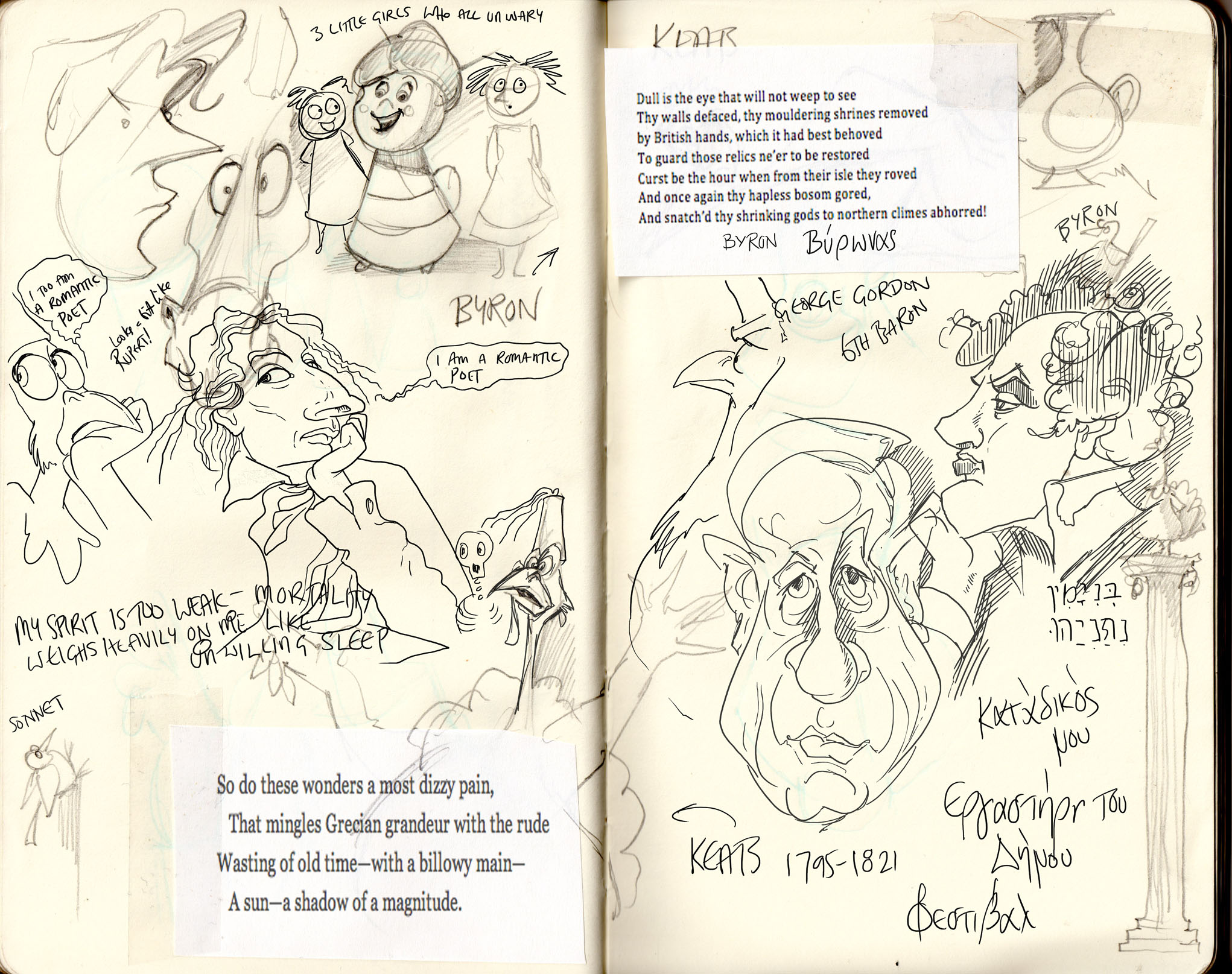
There were protests about the sale of the marbles from the very beginning. Here is an extract from ‘Childe Harold’s Pilgrimage’. There was also “the Curse of Minerva” which was never intended for publication in the UK. Keats, however, also writes about the marbles but only after seeing them in London and while he writes two poems specifically about the marbles, their inspiration leads to the Ode on a Grecian Urn and his idea about “truth and beauty”. I think he must have approved of the sale as did Goethe. When Goethe saw the marbles in London he claimed ‘the beginning of a new age for Great Art’. Certainly the marbles were deeply inspiring.

Cleaning the Marbles

There was the original method of severing the frieze from the walls of the Acropolis itself. The architect hired by Elgin for this task, an Italian man called Lusieri, confessed, “I was obliged to be a little barbarous”. But the most worrying bit of the Elgin/Parthenon marbles story is the cleaning of the frieze in 1938 in preparation for the move in London from the Elgin gallery to the newly-built Duveen. Over a period of 15 months, copper chisels and carborundum were applied to the sculptures to clean them. The man in charge, F.N. Pryce and his assistant, Roger Hinks, both of whom promptly resigned, seemed to think that the appropriate colour for the marbles was white and, therefore, they made an effort to get rid of the yellow/brown patina. The story did not come to light until 1950 when an Italian, Cesare Brandi, published a critical report about cleaning Classical pieces in general. Later, in 1984, the diaries of Roger Hinks were published detailing the cleaning process and, in the same year, the Greek government renewed a demand first made by Hugh Hammersley in 1816 for the repatriation of the marbles through UNESCO. The request was formally rejected by the British Government in 1984, and further demands were made in 1985 and 1997. It remains the position of the British Government (as stated by Tony Blair in To Vima in March 2001) that the marbles should remain in London and should be accessed by the public free of charge. There is a detailed account in Christopher Hitchens’ book The ElginMarbles – should they be returned to Greece? (1987). A later book, Lord Elgin & the Marbles (1998) by William St Clair makes use of restricted papers about the Hinks/Pryce cleanup which led to a conference in November 1999.

Now, all of this sounds fairly catastrophic until placed in context because the Greeks used a similar cleaning process on the Hephaisteion in 1953. In addition, the Athens pollution has seriously damaged the existing sculptures: Olga Palagia writes in The Pediments of the Parthenon (Brill Leiden, 1993) that, when sculptures from the west pediment were removed in 1977,  “the industrial pollution of modern Athens had wreaked havoc upon their delicate surface”. A paper by I Jenkins (Cleaning and Controversy) deals with the whole sorry subject.

There have been two modern Greek positions on the marbles and that is unfortunate. The first was a suggestion of a joint and permanent exhibition in Athens. This would have recognised the moral authority of the original sale to Elgin while allowing that the marbles might be better viewed in the context of their original setting in Athens. The second was a demand for the return of the looted property of the State. Anything else would, said Antonis Samaras for the Greek government in 2009, “condone the snatching of the marbles and the monument’s carving-up 207 years ago.” This was an uncompromising and rather silly posture that effectively makes the repatriation of the marbles impossible in the near future, because any arrangement would imply that the British government in the early 19th Century was covering up a crime. The issue of the legality of the sale was in fact debated in the House of commons before the marbles were ever bought from Elgin. I think if there had only ever been a single Firman (permission) granted by the Ottomans, then the sale would not have been recognised as wholly legitimate. But there were two. Even so, Elgin demanded just over £70,000 and received only £35,000 from parliament. This was not a profitable venture and the acquisition of the marbles effectively bankrupted Elgin.

Many years later, on June 21st 2009, the new museum in Athens, designed by Bernard Tschumi, opened. The empty spaces along corridors housing the Parthenon frieze provide a reason and an urgency for reuniting all the various parthenon marbles, as indeed the museum’s initial director, Dimitrios Pandermalis, fully intended. the spaces in the exhibition amount to cultural blackmail, and it is effective.

The Future:

I think now, however, as the various personalities dig in (the British Museum’s director Neil MacGregor, would not countenance any return when the Athens’ museum finally opened), there remains only one course of action available. In the next few years, Britain should lend the Athens museum a piece of the Parthenon frieze and only when it is duly returned to the UK, will there be a general sense of reassurance about the legal ownership of the marbles. At that point, and it might take an act of parliament to arrange this with the present trustees of the Museum, a much bigger portion of the collection might then be packed off to be displayed in a semi-permanent format in Athens.

Our Film, Following Lear:

Anyway, Melina Mercouri’s character, Ilya, in “Never on a Sunday/ Ποτέ Την Κυριακή” is the basis of one of the animated characters we have devised for the Edward Lear Film – though in the song, she is married and has “lost” her husband. David Watson has written a sensational bit of music to the Lear Limerick about “an old man of Corfu” and Vassilisso Vasilinho wrote the very funny words in Greek. Katerina Tiropoli did the voice and Duncan Skinner did the english voice- he will be a “Bud Flannigan type”. Here are some initial drawings of the Melina Mercouri character..

melina 2

moleskin again new 1075

moleskin again new 1076

moleskin again new 1077

moleskin again new 1078

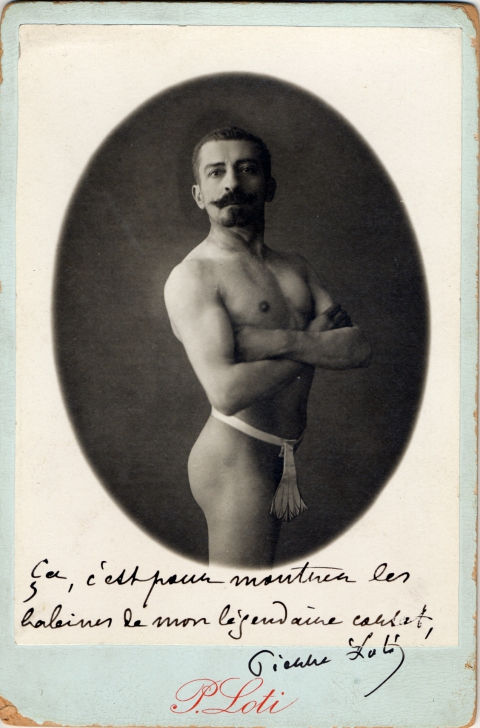
Who was Pierre Loti?

pierre loti scribbles

When I first went to Istanbul, I was taken to tea at Pierre Loti’s by Necati. We have been back there many times since and each time, it is assumed that I must know of Pierre Loti because he is such an important writer. Well, that may not be quite the case. I think the significance of m. Loti and the preservation of his home on the hillside overlooking the grave of Necati’s father, is less a matter of literary genius and more because he supported the Kemalists and earned the patronage of Atatürk.
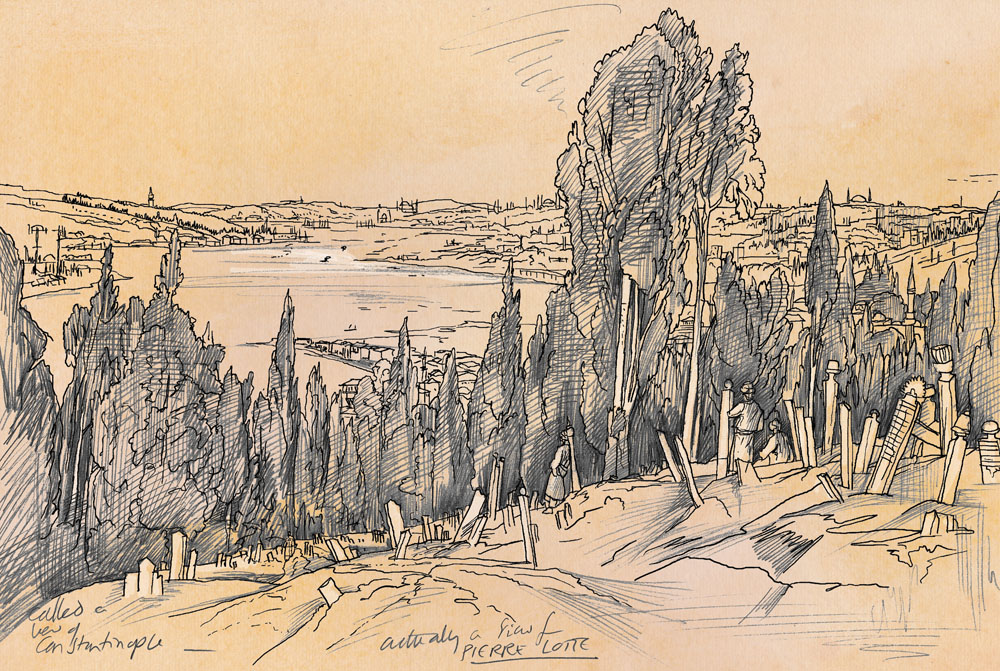
Personally, I find it a bit sad that this man is lauded in Istanbul to the exclusion of another man like Edward Lear who drew at least two pictures of the Pierre Loti graveyard even before Loti had built his wooden house there. It is these pictures that we have tried to emulate in our own work and that are posted below. Here, meanwhile, is my copy of one of the Lear drawings:

PIERRE LOTTE final
Loti is nevertheless an interesting if odd man. A French navy man through and through, he found his way to the far east, and began writing, publishing books about Polynesia, Tahiti, Senegal and Breton fishermen. A novel in 1887 called “Madam Chrysanthème” is essentially “Madam Butterfly” and is acknowledged (together with claims by John Luther Long, a Philadelphia lawyer, who wrote a story on something he claimed had happened to “his sister”) as one of the sources for both Puccini (1904) and Messager (1893). Loti himself had a temporary Japanese wife so the story is fairly autobiographical and Pierre is just as unthinking as Pinkerton. Later Loti wrote an impassioned paper against the British Raj called “L’inde” and was involved in quashing the Boxer rebellion in China in 1900.

His praise for Atatürk and support of the “Kurtuluş Savaşı” or Turkish war of Independence (which took in disputes with Greece, Armenia and the Ottoman throne and that really lasted from 1908-1923 but was sealed by the Treaty of Lausanne in 1923 and the abolition of the Sultinate, the abdication and exile of Mehmed VI on the British warship Malaya which went to Malta) is qualified by a fairly blistering attack on Turkey towards the end of his life. But the people of Istanbul love the cafe so Pierre Loti, like El Cid, I recall, has moved out of history and into some sort of mythology. No one reads his novels, but we all drink his tea.

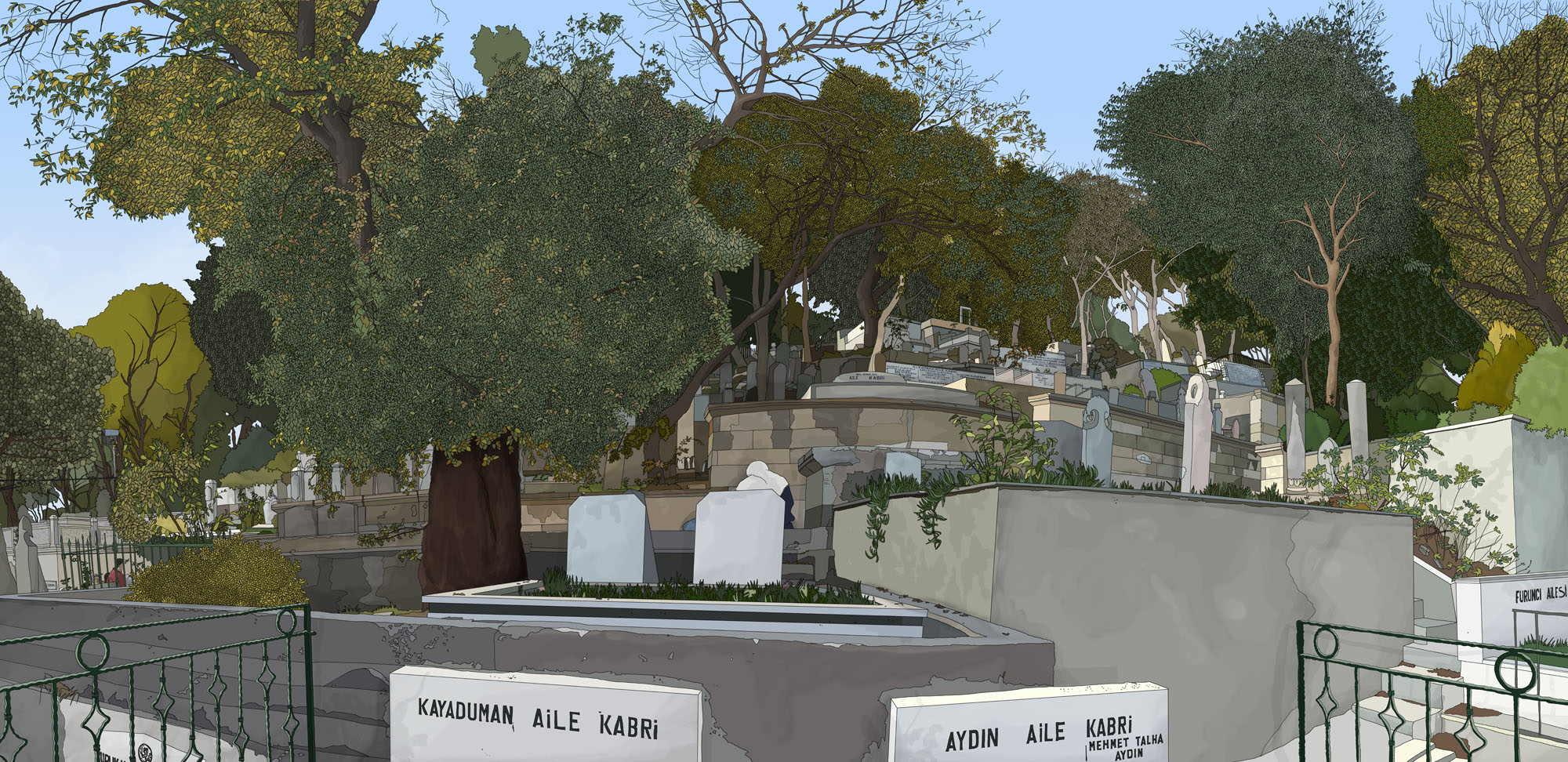
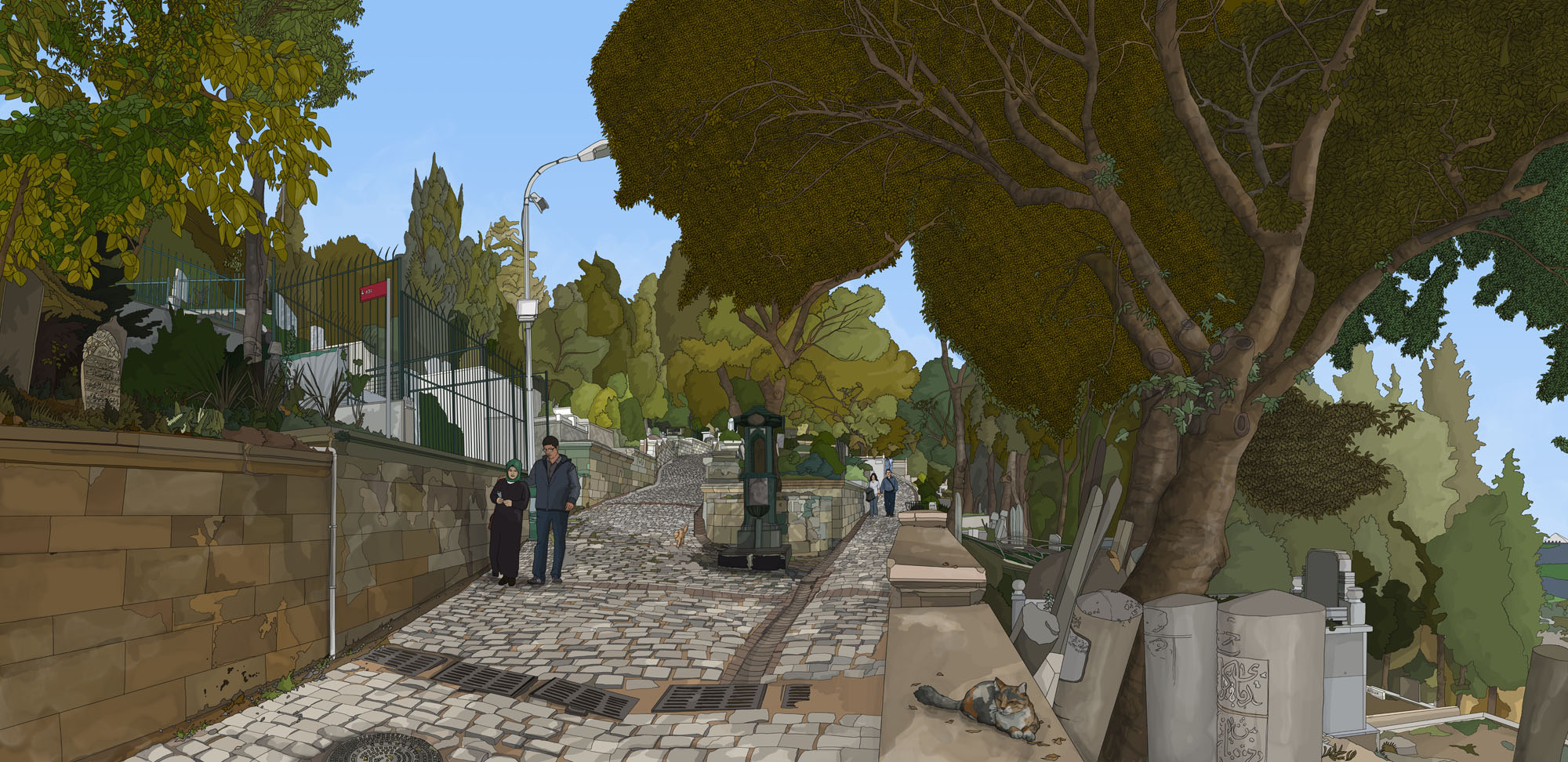
Here are pictures of the graveyard that surrounds the Pierre Loti cafe:

Pierre lotte 1b graves flat

Pierre lotte 2 gravesa flat

Pierre lotte f3 flat


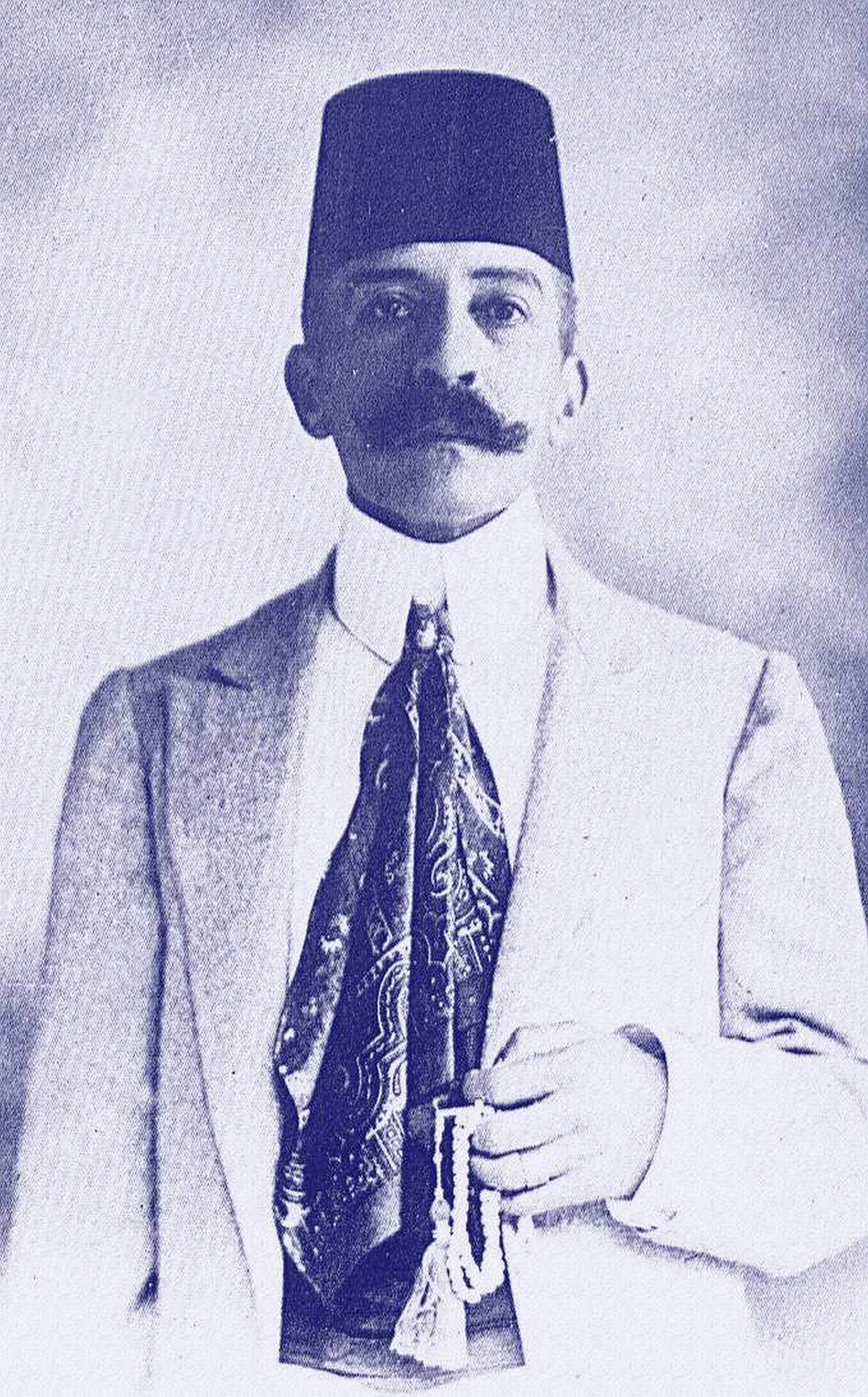
And here is a picture of Pierre Loti dressed in a Turkish fez (presumably just before Atatürk outlawed it in 1925 with the “hat law”)

p loti en turc bleu

Finally, here is one of the most bizarre pictures, called an “academic image” but I cannot see why.

pierre loti

Figaro! The Animated opera

marchellina and bartolo2 flat

One of our projects is a cartoon version of figaro. Here is a version of the storyboard for Bartolo’s aria with music arranged by David Watson. None of the sketches are entirely “on model” and they were completed over a period of some years as the project has developed, but I think they show the energy and demonstrate that it is possible to re-think this opera in terms of a universe inhabited solely by cartoon characters. During the overture, Bartolo demonstrates an interest in Arson, and we also see Marchellina leave her home in Bath to take a train to Castle Almaviva. She is followed by Bartolo which explains his appearance here. She also spies on Figaro, though not until the next scene, on Susanna. The film was designed some years before Downton Abbey captured our tv viewing, but I suppose would be exactly that period and image.


figaro new 1064

extra 11

figaro new 1022

3

6

13

21

extra 9

Kim Jong-un

korea KIM

This is a caricature that we did for the little animated film, “How to be Boss”.

Today, the little boy in the background is the Supreme leader of the Democratic People’s republic of Korea. The son of Kim Jong-il and grandson of the founder of modern North Korea, Kim il-Sung. He had been designated premier by the Soviet controllers and called “great leader”. One of his first plans as leader was to invade South Korea which the Soviets anyway regarded as his territory. With Chinese acquiescence, Kim went on to seize Seoul capturing most of the peninsular except for the “Pusan Perimeter”. The US landed in Incheon and mounted a vigorous counter-offensive together with troops from South Korea. Within a month, Seoul had been retaken and then Kim was forced into a major retreat and refuge in China. This led to a Chinese offensive in aid of the North Koreans and the retaking of Seoul in January 1951. The UN counter-attacked in March retaking Seoul. The war lingered on until 1953 with the loss of over 1.2 million lives. Kim resented China’s increasing control of the war as indeed he resented anyone with a strong alliance to any number of people with Chinese connections. The most bizarre of these was Enver Hoxha, the leader of Albania who had openly defied Russia and set up his own Sino-Albanian pact.

Enver Hoxha and “Following Edward Lear”

hoxha

I remember seeing Hoxha’s pyramidal tomb in Tirana. We have been to Albania a few times for the Lear project. Edward Lear was there in 1848 at the end of his journey from Istanbul. As part of our Edward Lear film, we have drawn a view of the Albanian town of Elbassan.

one of Lear's views of Elbassan
one of Lear’s views of Elbassan


view of Elbassan from the hills


the cypress grove, what belongs of it


Today, the view that Lear sketched is dominated by a huge Chinese-built factory which is really the only physical result of the Sino-Albanian pact, Hoxha’s alliance with Mao Zedong. Hoxha may not have been a nice man, and his secret police, the Sigurimi has a grim reputation, but he is impressive in the way that he stood up to Russia and lived to tell the tale. In truth, he was defending the indefensible- denouncing reforms by Khrushchev and the demolition of the Stalin cult. He was also, incidentally anxious about meetings that had taken place between the Russian president and Greek politicians who had been campaigning for an independent Northern Epirus. Khrushchev is supposed to have said of Hoxha: “He bared his fangs at us even more menacingly than the Chinese themselves.” To this comment went the response from a Spanish delegate at the conference to the effect that Hoxha is a dog that bites the hand that feeds it. Russian economic aid stopped but was replaced by considerable aid from China. In 1979, Hoxha responded to the resentment oozing out of North Korea. He said, “In Pyongyang, I believe that even Tito will be astonished at the proportions of the cult of his host, which has reached a level unheard of anywhere else, either in past or present times, let alone in a country which calls itself socialist.”

There is a rather funny video doing the rounds on Youtube. You can find it here-

Burlington Bertie

julie 2

We are slowly getting on with the animation of our short film based on “the Music hall”. “Burlington Bertie” is one of two films, both of which feature a song by the first world war composer William Hargreaves in arrangements by David Watson of Kanon. Bertie is odd though because all the references in the song are to Queen Victoria and the “Prince of Wales,” Edward VII who had died by the time the song was even first performed by Hargreaves’ wife, Ella Shields in 1915. It was then later done by Julie Andrews in the film “Star”. When she comes off stage after singing the song for the first time as a pregnant understudy, one of the other actresses standing in the wings asks “how was that?” she says, “It was marvellous!” and that rather seals her fate- sacrificing a private life to the demands of her theatre-public (1968) The film, sadly- some of which was shot in the Hackney Empire where we are setting our own film- was not a great success but it has some great scenes in it! Well worth watching. The final number “Jenny” has an irritatingly repetitive lyric but Dame Julie is as game and joyous as ever. According to her memoirs (the very readable “Home”), she had been offered the part of “Lady in the Dark” early on in her own Broadway career but turned it down. I think she was worried about comparison to Gerty Lawrence, so it is ironic that she went on to do a bio-pic of her life.

Here is a colour snippet from our version of “Bertie”:

http://youtu.be/_jlnzT51J3M


Now, this is the reason for the out-dated references: The “Bertie” song by Hargreaves is actually a pastiche of a much older song by Harry B Norris which was famously sung from 1900 onwards by Vesta Tilley, the darling of the lesbian set. The original song is fairly patriotic too with a great chorus that is well-worth repeating. Here is the end of the last verse and the end of the final chorus. Suddenly, reading this, you can see how the bunting would go flying and why Vesta Tilly earned such a reputation during the First World War!

Altho’ absent minded, he does not forget
That Englishmen always must pay off a debt.
He drops all his pleasures, the polo, the hunt
And just like the rest, he is off to the front;
Altho’ he’s a johnny, he’ll fight in the ruck,
He’s wealthy and foolish, but if you want pluck –

What price Burlington Bertie,
the boy with the Hyde Park drawl,
What price Burlington Bertie,
the boy with the Bond Street crawl?
He’ll fight and he’ll die like an Englishman.
Forgive all his folly we can;
Says old John Bull ‘I plainly see
These Burlington boys are the boys for me!’

There are a few dodgy lyrics though here- I hate the laziness, for example, of “always must” * but the rest is priceless! (*The inversion is clumsy- It’s almost as lazy as the lyric: “I just called to say I loved you”- the word “just” has no purpose there at all. It is included for the scansion alone.) The Bertie here is a Gent down on his “uppers”. He’s not from Bow, he’s from South Ken!

The Hargreaves’ version plays around with patriotism, too, and we will certainly make use of this in our animation- but it focuses much more on the idea that his Bertie, in contrast, is a “down and out” pretending to be a toff. There is alot of pride in this “tramp” too: The same stock character/characters, in effect, turn up in “Easter Parade” with a song by Irving Berlin. Check out Judy Garland’s “Little Titch” shoes here…a tremendous tribute to the music hall/vaudeville!

http://youtu.be/-xxfm5-zRHo


And for the potency of the tramp character in music hall, look no further than Chaplin!

chaplin new pix with downey junior


and frankly, it is the same idea that we find in “Hello Dolly” when Cornelius Hackl, Barnaby Tucker and co elect to walk to Harmonia Gardens “because it is more elegant”. There’s a charming version of this song here:


The Lady Diana at the end of the Hargreaves’ song would be Lady Diana Cooper, not of course Diana Spencer.
Bertie comes from Bow which makes him a genuine Cockney. He is idle, drunk and smokes too much- he enjoys hobnobbing with the idle rich in the West End. This is a slightly different character to the one in the Norris song. In the original song “He rents a swell flat somewhere Kensington way” and has frittered away his inheritance on “Brandy and Soda”. But his biggest failing seems to be that he is always ready to help. When a girl wants a present she wonders “who can I touch” and along comes the rousing chorus,

What price Burlington Bertie,
the boy with the Hyde Park drawl,
What price Burlington Bertie,
the boy with the Bond Street crawl?
A nice little supper at the Savoy,
Oh! What a duck of a boy,
‘So free’ says she, ‘with L.s.d.,
Burlington Bertie’s the boy for me.’

The LSD line gets a new meaning I suppose after the 60s.

Below is a recording of the Hargreaves song with some very elementary movements and then follows a line test of the coloured version at the top of this post. I am afraid there is a long way to go…. I will add some updates soon and some images of the backdrops which are also coming along nicely!

http://youtu.be/RslapIvK0Fk


http://youtu.be/FWYsRI3bto4


(I am not sure how Bertie’s pose is actually “ironical”- I suppose because he is picking up fag ends from the strand and strutting around wearing a monocle. Maybe there is more to it than that? I welcome any observations!)